

CORROSION CONTROL

Cathodic Protection for Buildings

ICCP and galvanic systems that control corrosion of reinforcement and steel embedded within concrete or masonry.

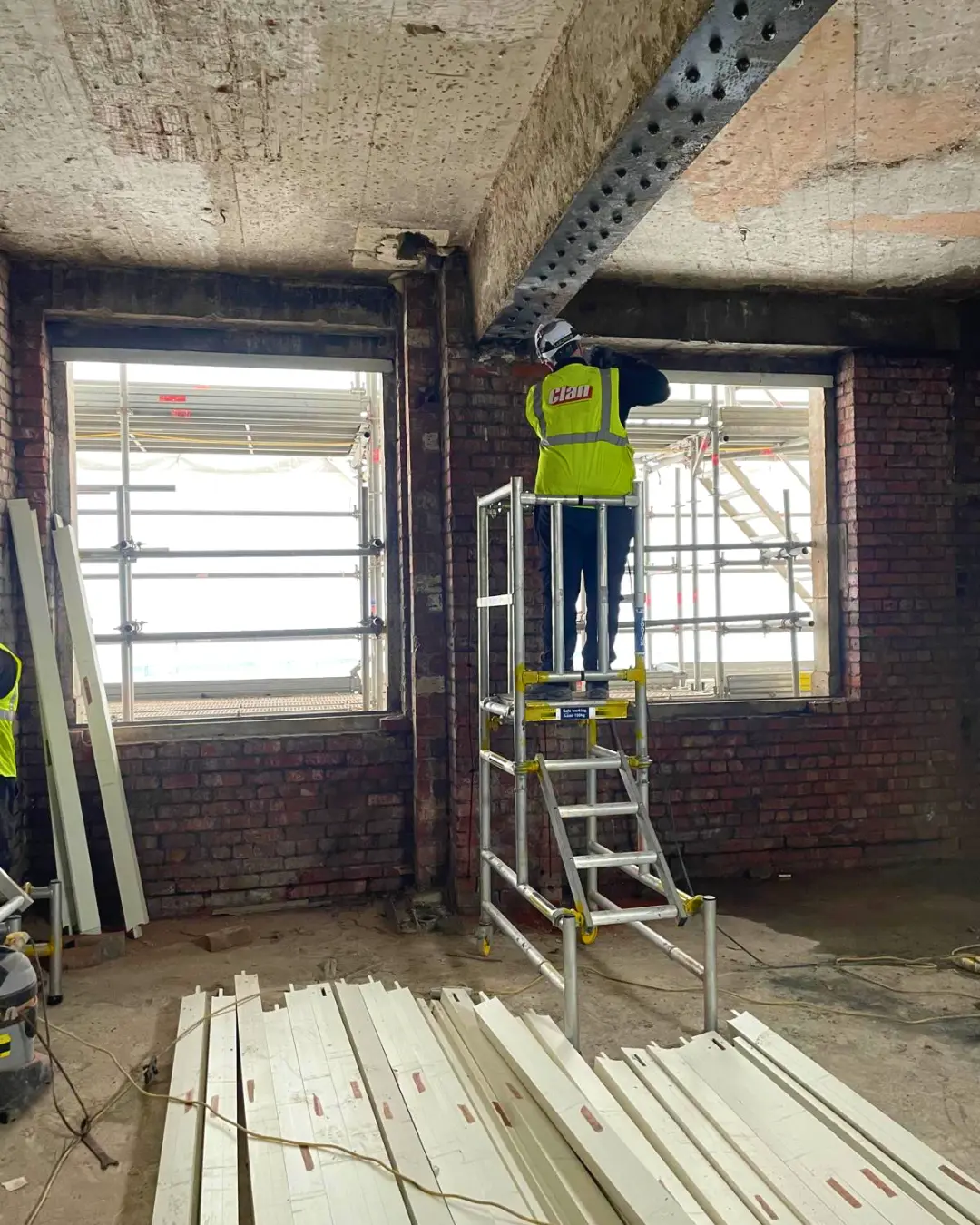
Cathodic protection installation on a steel-framed building
PROTECT THE STEEL

Control corrosion at its source

Cathodic protection controls corrosion of reinforcement or steel embedded within concrete or masonry. Clan installs two principal types: impressed current cathodic protection (ICCP), which uses a controlled external power supply, and galvanic protection, which uses sacrificial anodes without an external power supply.

We install specified systems for reinforced-concrete and masonry-clad steel-framed buildings, coordinating repairs, façade access, electrical connections, reinstatement and monitoring. C-Probe Systems Limited supplies Clan's systems and provides specialist input within the agreed project team.

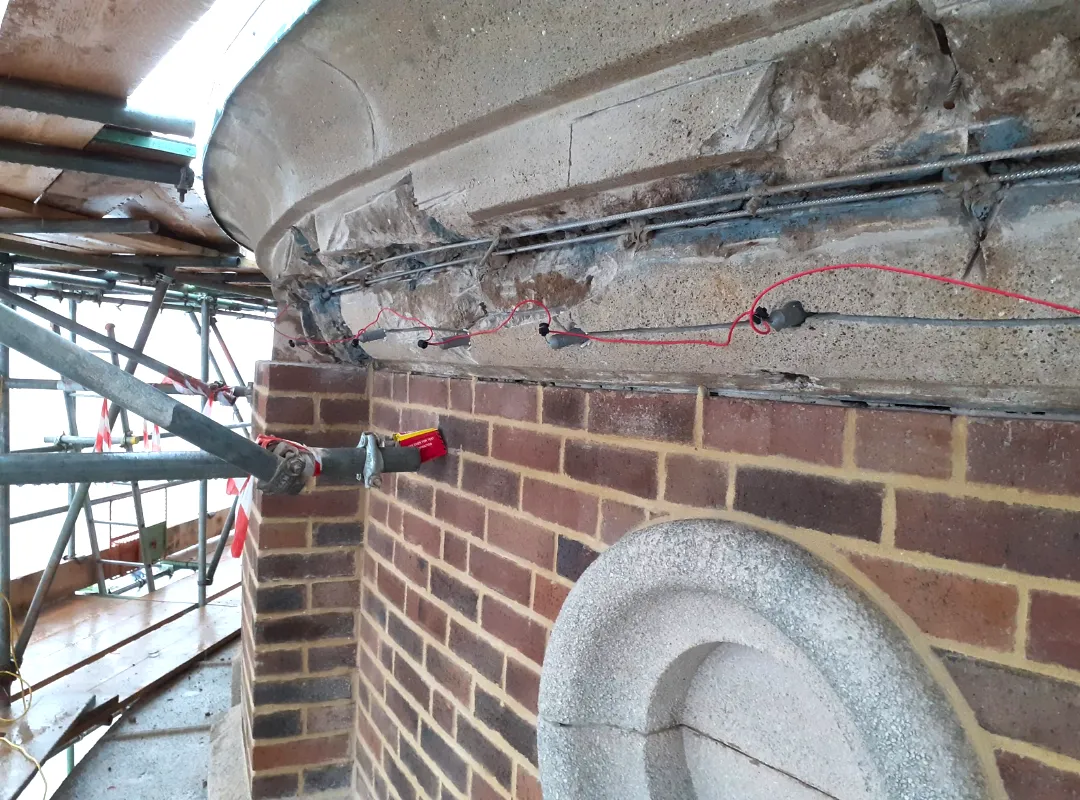
Corrosion to embedded steel behind a masonry façade
WARNING SIGNS

When cathodic protection may be considered for a building

Similar visible defects can have different causes, so investigation must establish whether cathodic protection is suitable.

  • Masonry cracking or displacement associated with corrosion of an embedded steel frame, sometimes described as Regent Street Disease.
  • Recurring local repairs along steel columns, beams, corners or exposed elevations.
  • Reinforced concrete affected by widespread carbonation or chloride contamination.
  • Corrosion risk extending beyond the visibly damaged or repaired areas.
  • A façade where unnecessary removal of sound masonry should be limited.
TWO SYSTEMS

Cathodic-protection systems & building applications

Impressed Current Cathodic Protection (ICCP)

Powered
Where it may be considered
Extensive or complex reinforcement, or steel frames embedded within masonry.
How it protects the steel
Installed anodes and a controlled direct-current power source shift the connected steel towards a protected condition. Reference electrodes and control zones allow performance to be measured and adjusted.
Installation
Anodes, wiring, reference electrodes, control equipment, connections and compatible reinstatement integrated into the repair or façade work.
Asset benefit
A monitored response across the designed area, with less unnecessary removal of sound concrete, masonry or historic fabric.
Galvanic (Sacrificial-Anode) Protection

Self-powered
Where it may be considered
Local or distributed protection where a self-powered system can meet the design requirements.
How it protects the steel
A more active anode material is connected to the steel and corrodes preferentially, providing protective current without an external power supply.
Installation
Anodes placed within repairs or designed positions, connections to the steel, reinstatement and specified verification.
Asset benefit
A comparatively simple intervention where the anode output and maintenance requirements suit the building.
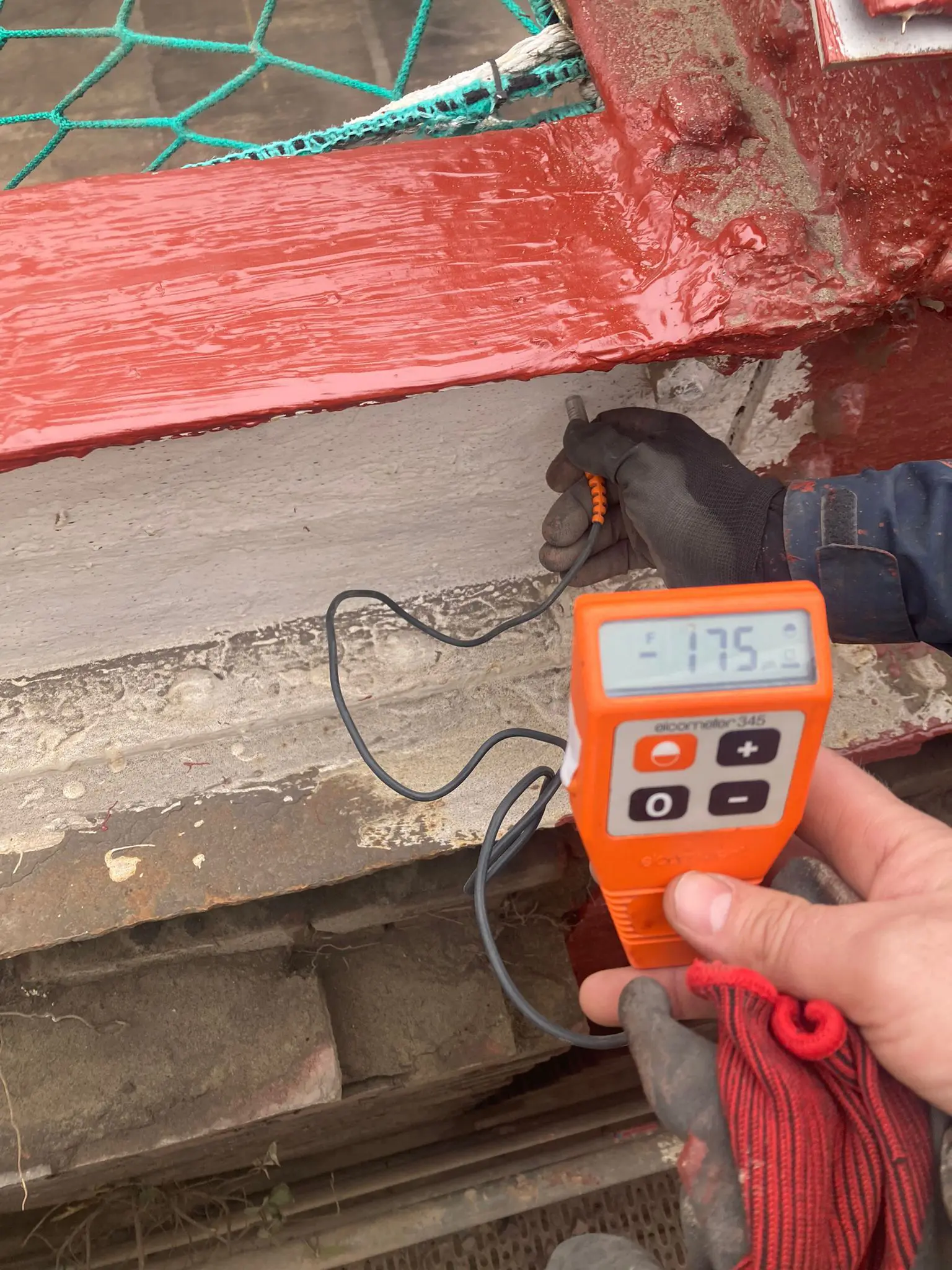
Exposed reinforcement during investigation
SPECIALIST DESIGN

What determines the cathodic-protection system

  • Steel arrangement, continuity, coating and remaining section.
  • Carbonation, chlorides, moisture, resistivity and corrosion activity.
  • The area requiring protection and the current that can be delivered.
  • Access for installation, testing and future maintenance.
  • Heritage significance and potential removal of sound fabric.
  • Required service life, monitoring regime and specialist performance criteria.

Unsound material, steel section loss and active water paths may require separate treatment.

PROJECT STAGES

How a building cathodic-protection project progresses

01

Review

Consider surveys, drawings, repair history and building constraints.

02

Investigate

Use targeted testing and opening-up to establish steel continuity, corrosion conditions and the affected area.

03

Define the system

Establish the protected zones, anodes, monitoring and performance requirements through specialist design.

04

Install

Coordinate repairs, anodes, wiring, connections, reinstatement and records.

05

Test and monitor

Check the completed system against the design and begin the specified monitoring regime.

Our clients
TECHNICAL QUESTIONS

FAQ'S

What is the difference between ICCP and galvanic cathodic protection?

ICCP uses an external power source to provide controllable current and normally includes reference electrodes. Galvanic protection uses a more active anode material and has no powered control unit. Investigation and design determine the appropriate system.

Does a cathodic-protection system need monitoring?

ICCP requires monitoring to demonstrate and adjust performance. Galvanic systems also require the verification and records defined by their design.

What information is needed before cathodic protection can be designed?

The designer may require drawings, opening-up findings, steel continuity and arrangement, cover, carbonation and chloride results, moisture or resistivity information, corrosion measurements, repair history, access constraints and the required service life.

Discuss a Cathodic Protection Project