
FAÇADE RESTORATION

Façade Cleaning

Trial-led cleaning of brick, stone and external surfaces using the least aggressive method that achieves the required result.

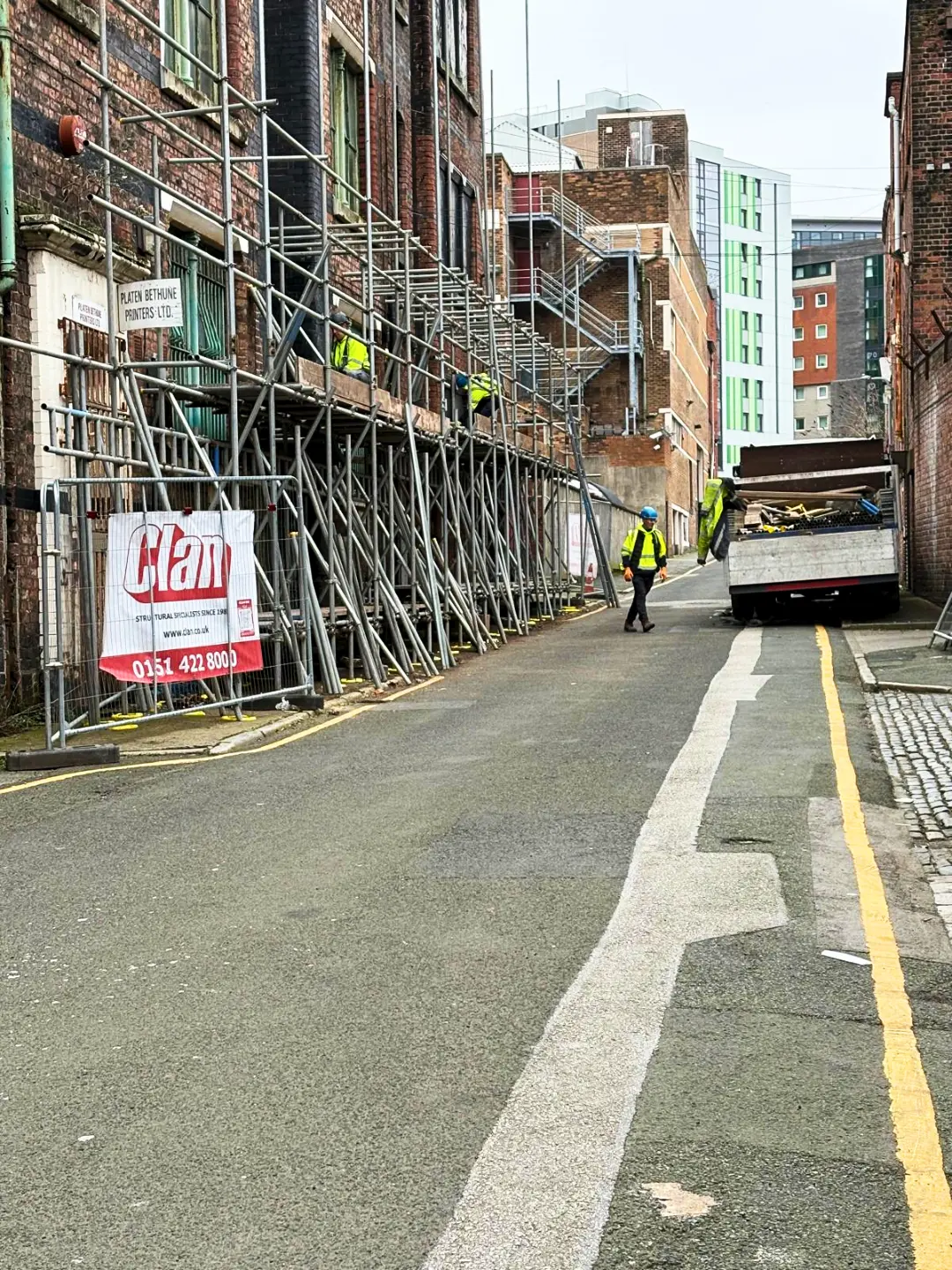
Controlled cleaning of a masonry façade
CLEANING CHANGES A SURFACE

Reveal the façade without losing it.

Façade cleaning can remove unwanted deposits, coatings or graffiti and help reveal the condition of brick, stone, metal and other external surfaces. Cleaning also changes a surface and can cause irreversible loss if the method is too aggressive or unsuitable.

Clan delivers steam and superheated-water cleaning, controlled abrasive methods and chemical cleaning across North West England. The required result, substrate, surface condition and soiling determine whether cleaning is appropriate and which method should be trialled.

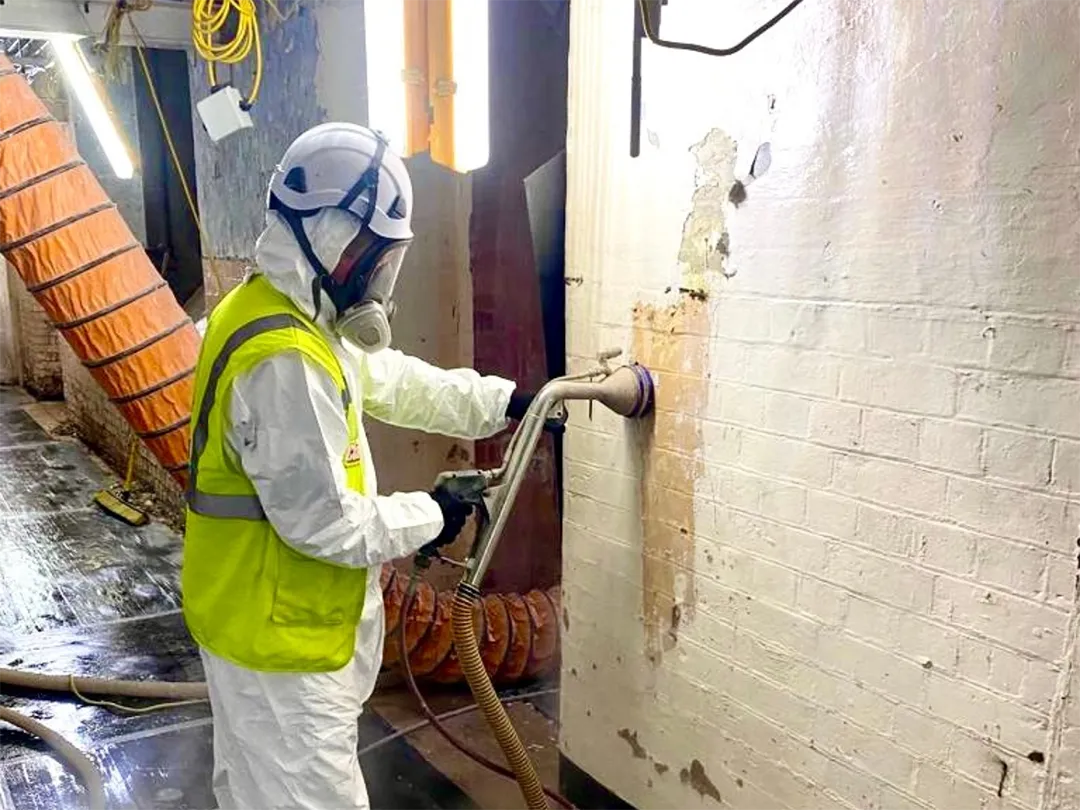
Cleaned brick façade detail
CLEANING METHODS

Façade cleaning methods & asset benefits

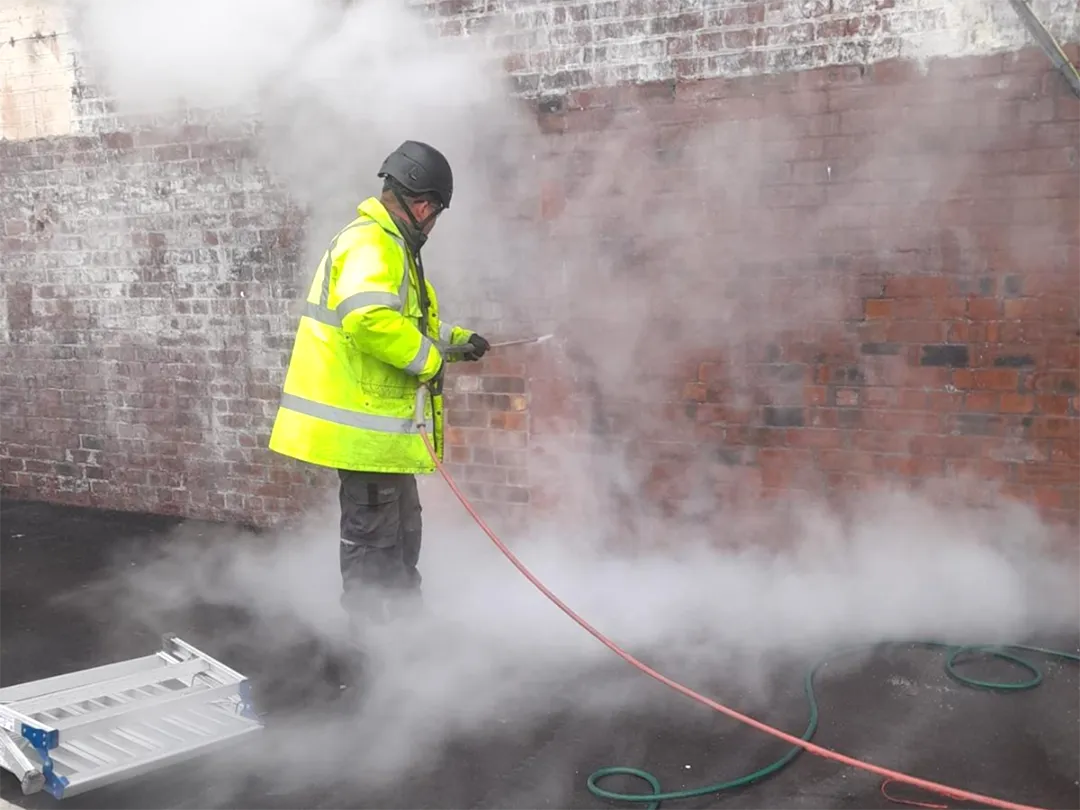
Steam and superheated-water cleaning

01
Typical application
Selected paint, biological growth, carbon deposits and general surface soiling on compatible substrates.
What it does
Systems such as DOFF use controlled heated water, with temperature, pressure, distance and dwell time adjusted during agreed trials.
Asset benefit
Can remove suitable deposits with limited water volume and without routine use of abrasive media or chemical cleaner.
Controlled abrasive cleaning

02
Typical application
Robust surfaces or preparation requirements where a tested abrasive system is appropriate.
What it does
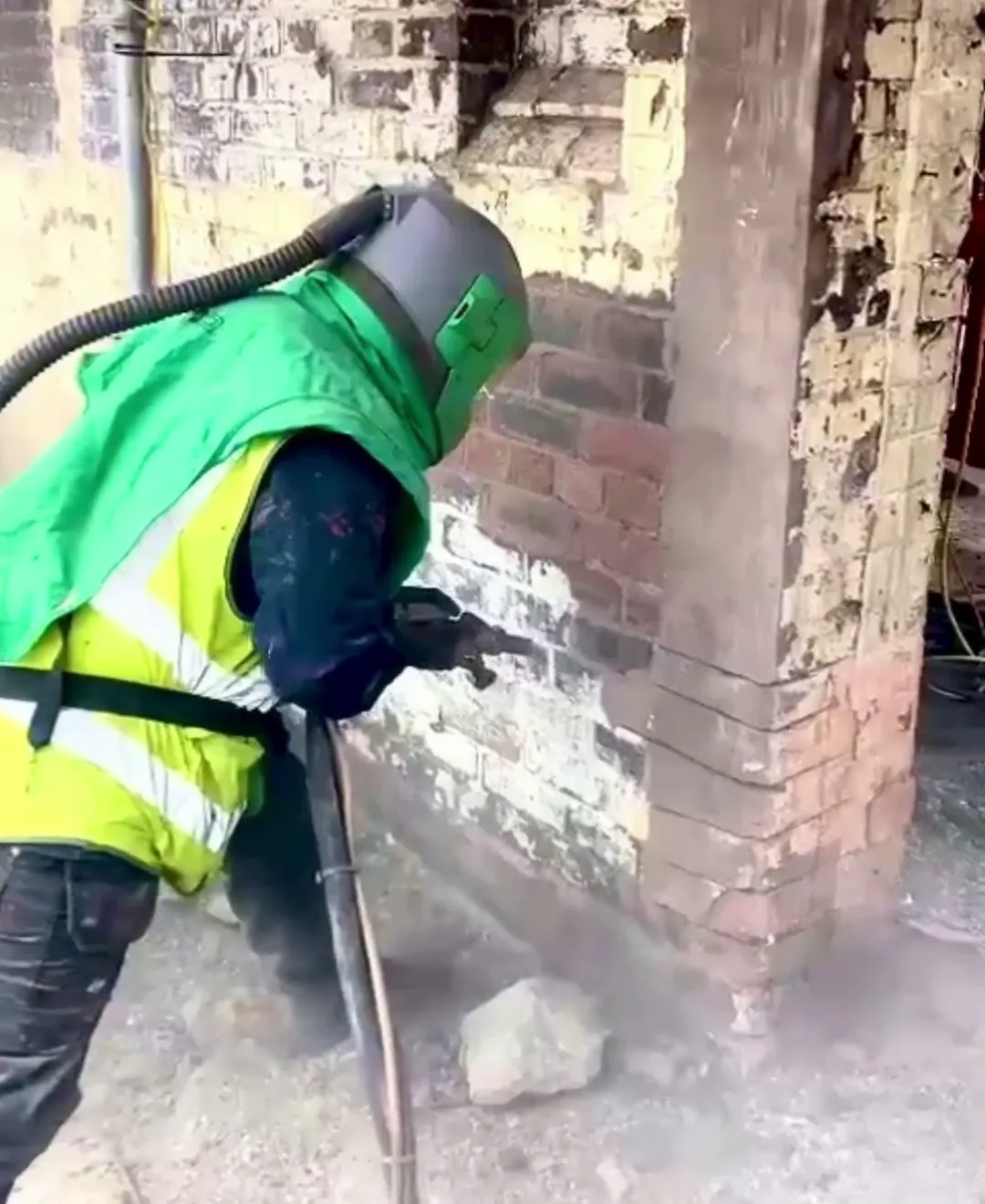
Selected media is projected at controlled settings to remove a deposit or prepare a surface.
Asset benefit
Provides adjustable cleaning or preparation, but only where trials show the substrate and detail can tolerate the process.

Chemical cleaning

03
Typical application
Coatings, stains or deposits that do not respond suitably to water-based or mechanical methods.
What it does
A compatible product is applied using controlled concentration and dwell time, with the specified neutralisation, containment and rinsing.
Asset benefit
Targets particular deposits where an appropriate product and controlled process can achieve the required result.

Graffiti removal and aftercare

04
Typical application
Graffiti on masonry, concrete or previously protected surfaces.
What it does
The removal method is matched to the graffiti medium, substrate and any existing coating; a specified sacrificial or permanent anti-graffiti system may follow.
Asset benefit
Removes unwanted markings while managing the risk of shadowing, surface loss or colour change and can support future maintenance where protection is suitable.
TRIAL-LED

Trial first, then clean

01

Assess

Review the substrate, finish, condition and the deposit to be removed.

02

Select

Identify safe trial areas and candidate methods.

03

Trial

Test controlled settings such as temperature, pressure, distance and dwell time.

04

Review & agree

Check colour, texture and surface profile, and agree an acceptance standard.

05

Clean & contain

Clean to the agreed standard with run-off, containment and environmental controls.

SUBSTRATE & DEPOSIT

What determines the cleaning method

  • The substrate, finish, porosity, condition and architectural detail.
  • The deposit or coating, its thickness, adhesion and penetration.
  • Open joints, cracks, friable surfaces, ferrous fixings and water sensitivity.
  • The required cleaning level; an even, newly finished appearance may be inappropriate for historic fabric.
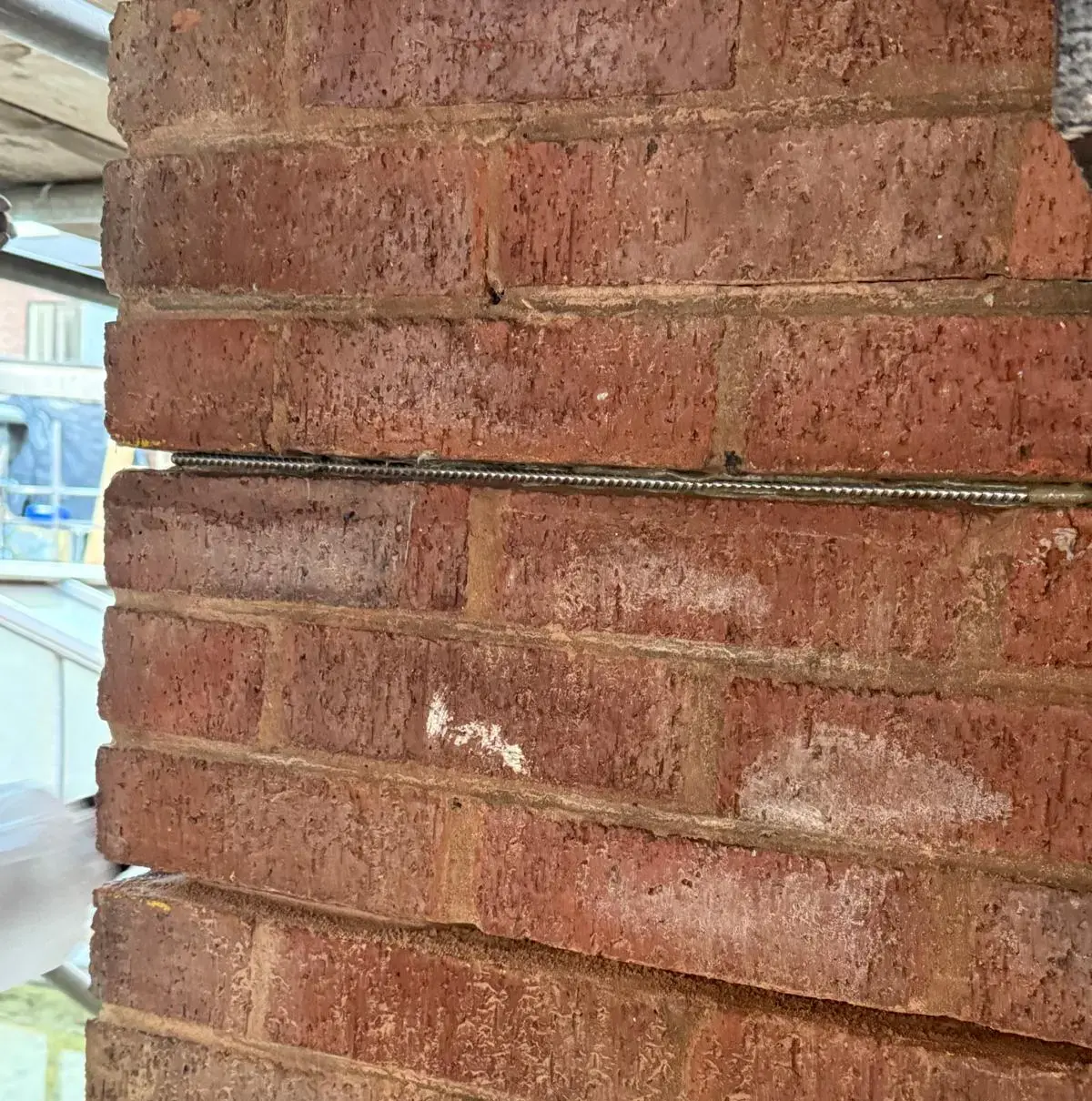
Trial cleaning panel on historic brickwork
  • Trial-panel results, including changes in colour, texture and surface profile.
  • Access, run-off, containment, neighbouring areas and environmental controls.
  • Conservation requirements, consents and agreement of the project team.
Our clients
TECHNICAL QUESTIONS

FAQ'S

Is DOFF cleaning suitable for every façade?

No. Suitability depends on the substrate, condition, finish and deposit. Trial areas using controlled settings help the project team assess cleaning effectiveness and any change to the surface before wider use.

Can façade cleaning damage brick or stone?

Yes. Excessive pressure, heat, abrasion, unsuitable chemicals or repeated cleaning can roughen surfaces, remove detail, alter colour or increase porosity. Assessment, trials and an agreed acceptance standard are particularly important for historic and weathered fabric.

What information is useful before arranging a cleaning trial?

Provide photographs, known substrate and coating information, the cleaning objective, access constraints, drainage and containment requirements, heritage status and any earlier trial results. A site review may be needed to select safe trial areas and candidate methods.

Discuss a Façade Cleaning Project