
CONCRETE REPAIR & STRENGTHENING

Protective Coatings

Specified coating systems that help repaired concrete withstand the exposure that can restart deterioration.

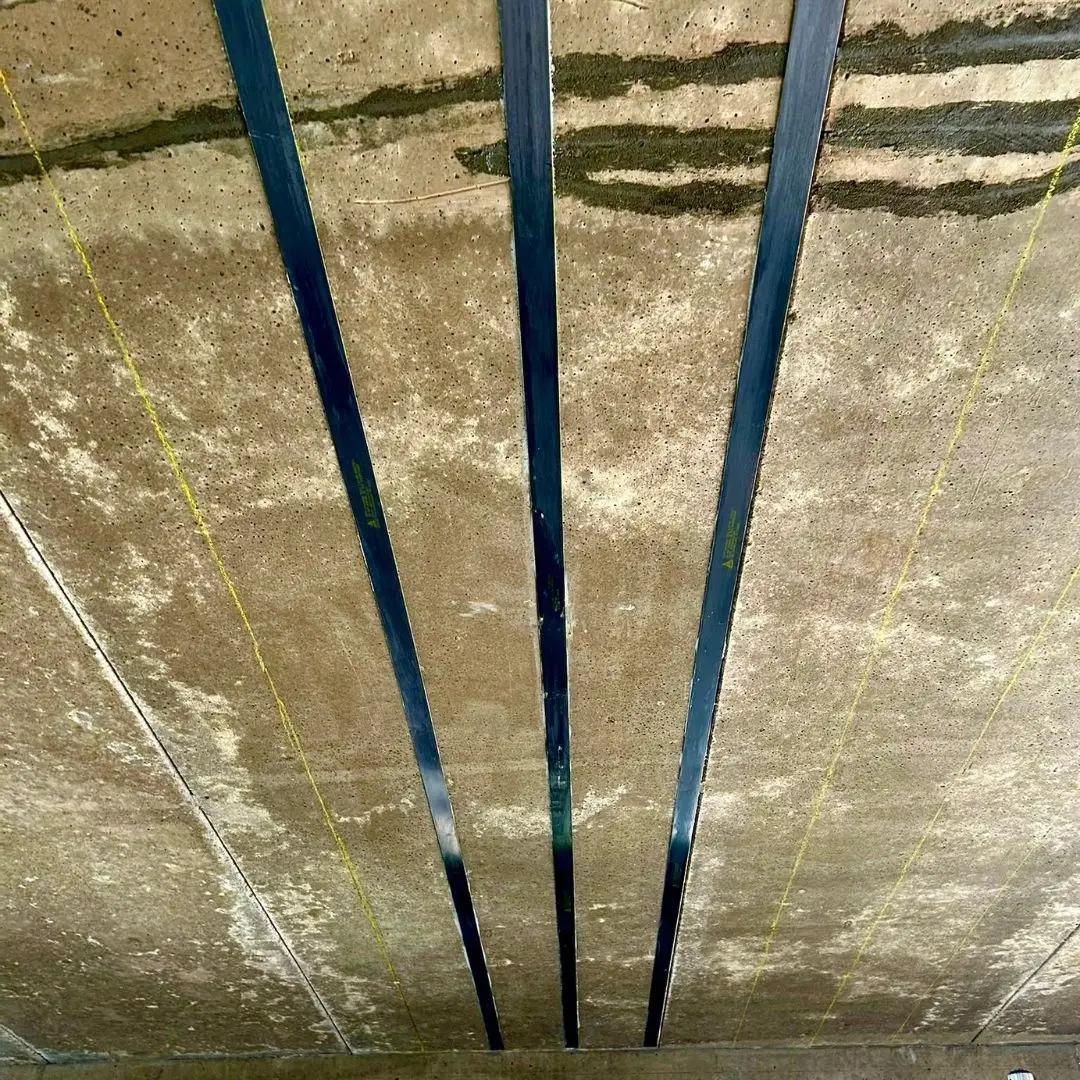
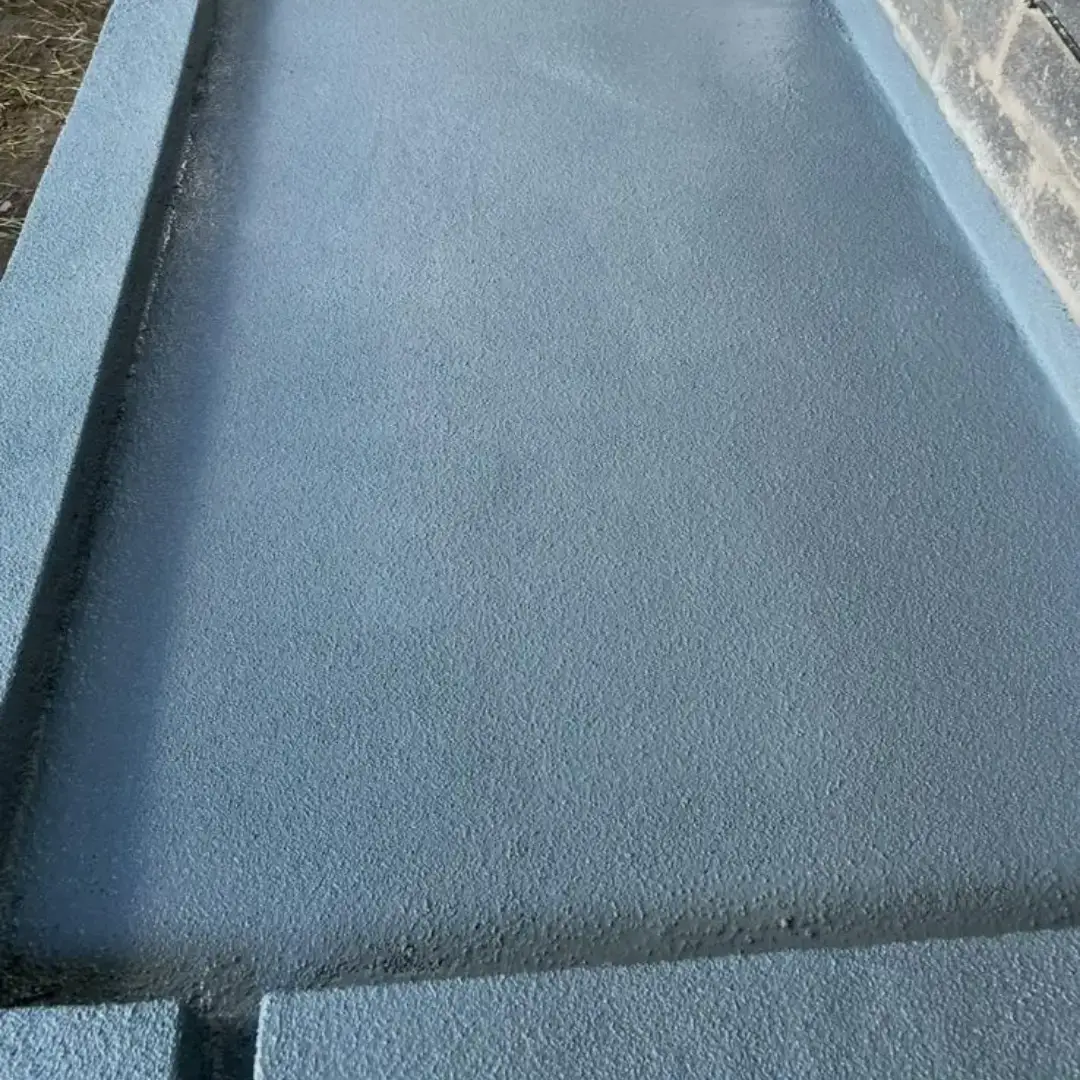
Protective coating applied to repaired concrete
SURFACE PROTECTION

Protect the repair from what caused the damage.

Protective coatings help repaired concrete withstand the exposure that can restart deterioration. The right system can reduce the ingress of water and carbon dioxide, bridge fine surface cracks, resist weathering and freeze-thaw cycles, or provide a trafficable and easier-to-maintain finish.

Clan installs specified concrete protective coating systems across North West England. A coating supports the wider repair strategy by protecting a sound, correctly prepared substrate. It does not replace the repair of unsound concrete, active water paths, unresolved structural movement or reinforcement corrosion requiring separate treatment.

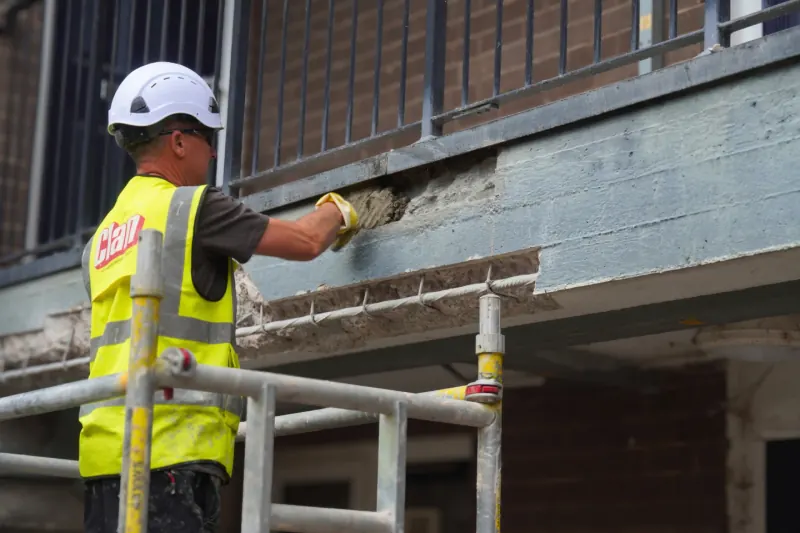
Coating works to a repaired concrete element
COATING APPLICATIONS

Protective coating applications & asset benefits

Anti-carbonation coatings

01
Typical application
Reinforced concrete at risk from carbonation, including exposed façades, soffits, beams, columns and slab edges.
What it does
Reduce carbon dioxide ingress while maintaining the specified water-vapour transmission.
Asset benefit
Help slow further carbonation after repair and support longer-term reinforcement protection.
Elastomeric crack-bridging coatings

02
Typical application
Concrete affected by fine surface cracking or limited thermal movement.
What it does
Bridge cracks within the coating system's tested capability.
Asset benefit
Maintain surface protection across limited movement.

Weather- and water-resistant coatings

03
Typical application
Bridge concrete, parapets, façades and other exposed structures subject to repeated wetting, weather or de-icing salts.
What it does
Reduce water absorption and surface saturation.
Asset benefit
Support durability and freeze-thaw resistance where the selected system is tested for that exposure.

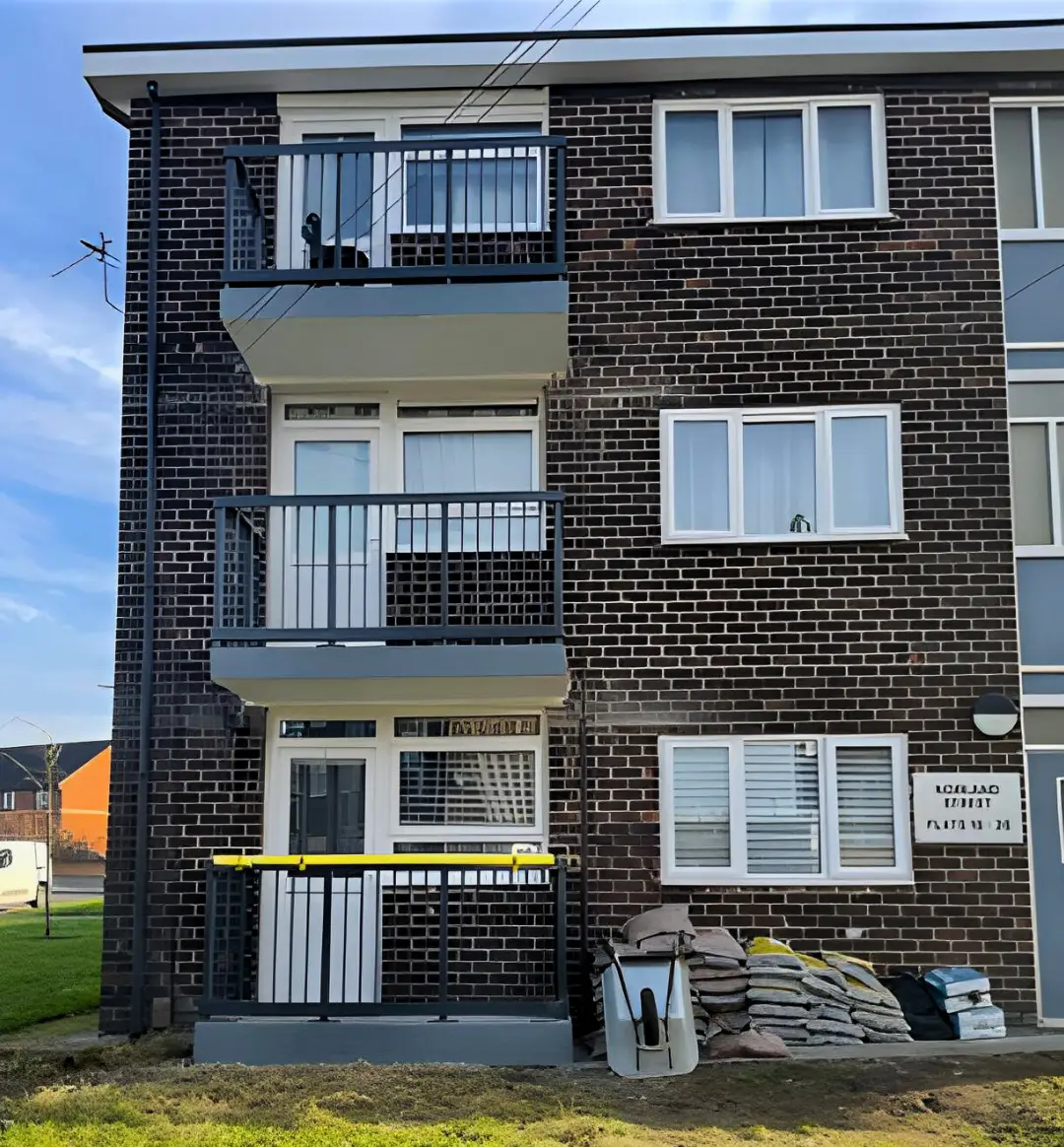
Trafficable balcony and deck systems

04
Typical application
Balconies, walkways, decks and traffic-exposed structures.
What it does
Provide a protective and waterproof build-up designed around traffic, joints, upstands, drainage and wear.
Asset benefit
Combine water resistance, wear performance and a maintainable finish.

Anti-graffiti coatings

05
Typical application
Exposed infrastructure, façades and publicly accessible structures subject to graffiti or repeated cleaning.
What it does
Create a cleanable or sacrificial protective layer.
Asset benefit
Make future graffiti removal easier and reduce direct soiling of the prepared substrate.

Hydrophobic impregnation

06
Typical application
Concrete requiring reduced liquid-water absorption without a continuous surface film.
What it does
Repel liquid water while allowing the appearance and vapour behaviour of the substrate to remain comparatively unchanged.
Asset benefit
Provide a distinct surface-protection method where a film-forming coating is not appropriate.
SUBSTRATE & EXPOSURE

What determines system suitability

  • The condition, strength and preparation requirements of the substrate.
  • Exposure to carbon dioxide, water, chlorides, UV, weather and freeze-thaw cycles.
  • Required water absorption, vapour transmission and crack-bridging performance.
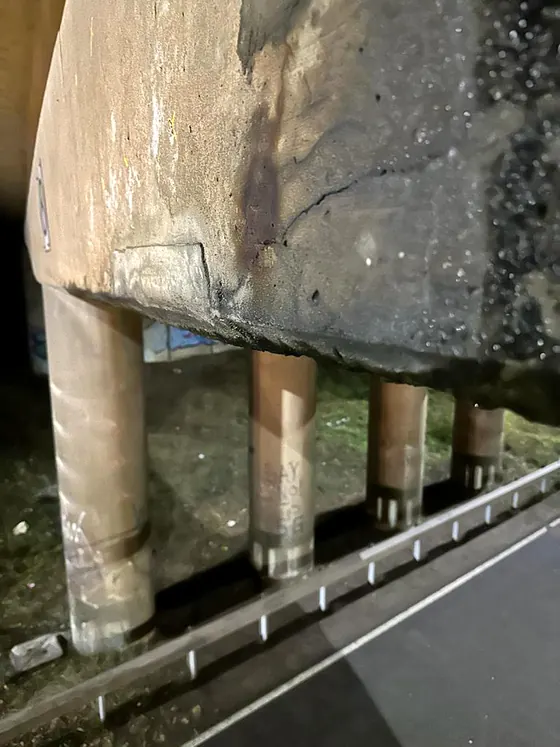
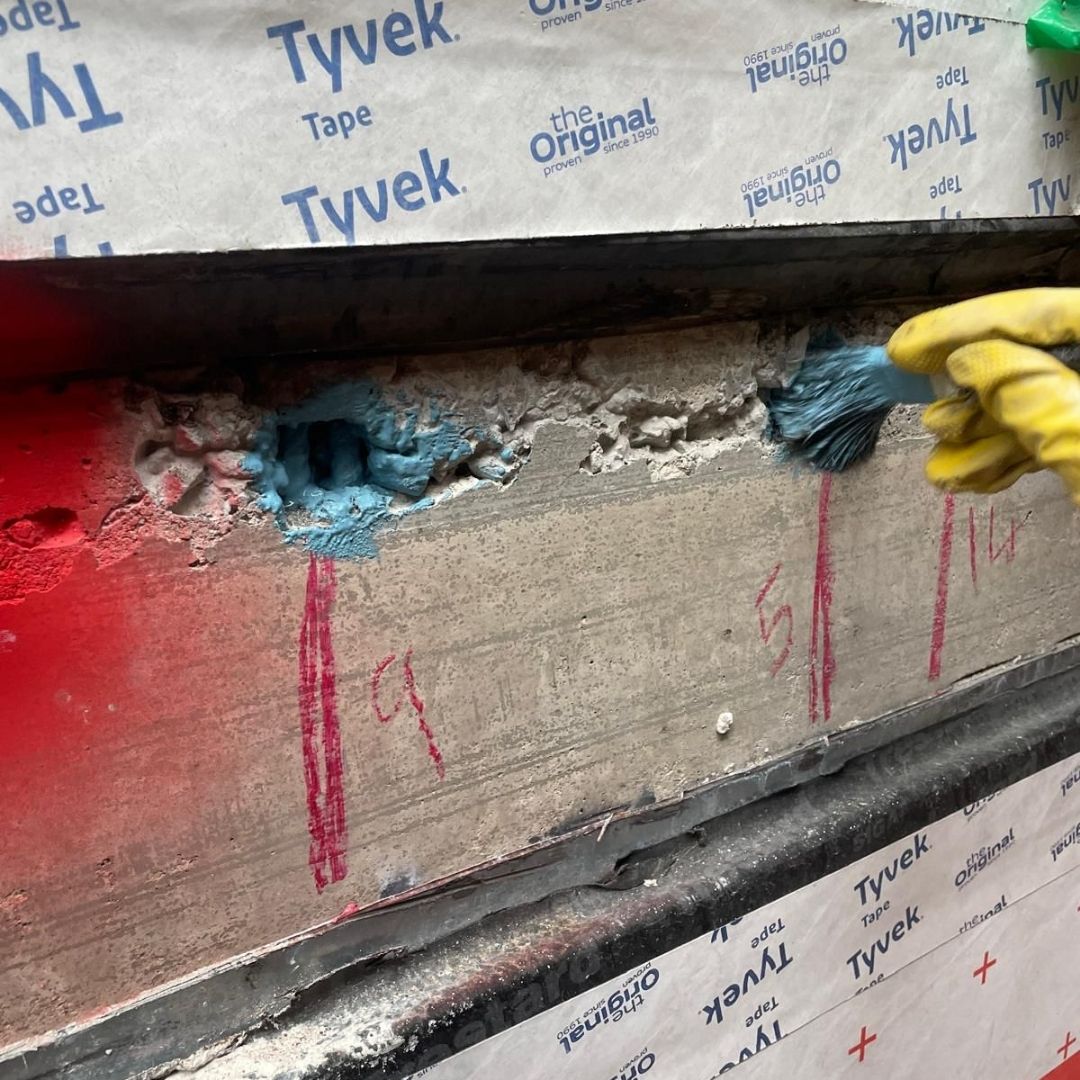
Prepared concrete substrate ready for coating
  • Traffic, wear, finish and maintenance requirements.
  • Joints, upstands, drainage, access and application conditions.
PART OF THE REPAIR STRATEGY

From a sound substrate to a protected finish

01

Assess

Review substrate condition, exposure and the required performance.

02

Repair

Resolve unsound concrete, water paths or corrosion needing separate treatment.

03

Select

Confirm the specified coating or impregnation system for the exposure.

04

Prepare & apply

Prepare the substrate and apply the system to its requirements.

05

Protect & record

Complete the finished protection and record the works.

Our clients
TECHNICAL QUESTIONS

FAQ'S

How do protective coatings help reduce reinforcement corrosion?

A suitable system can limit water, carbon dioxide or other agents covered by its tested performance from entering the concrete. This can reduce conditions that initiate or sustain reinforcement corrosion. Coating alone may be insufficient where corrosion is already active or contamination is significant.

What is an anti-carbonation coating?

It is a concrete surface-protection system designed to reduce carbon dioxide penetration. The selected product must suit the substrate, exposure, vapour requirements and wider repair strategy.

Can a protective coating stop an active leak?

A general protective coating should not automatically be treated as a leak repair. The water source and path must be established. Where waterproofing is the primary requirement, the project may need a dedicated membrane, injection or waterproofing system.

Discuss a Protective Coating Project