Structural requirement
Increased flexural capacity in beams or slabs
- Potential solution
- CFRP plates or laminates bonded to the tensile face.
- Asset benefit
- Adds designed capacity with limited additional depth and dead load.


Lightweight, low-profile structural strengthening designed around the load path, substrate and required performance.
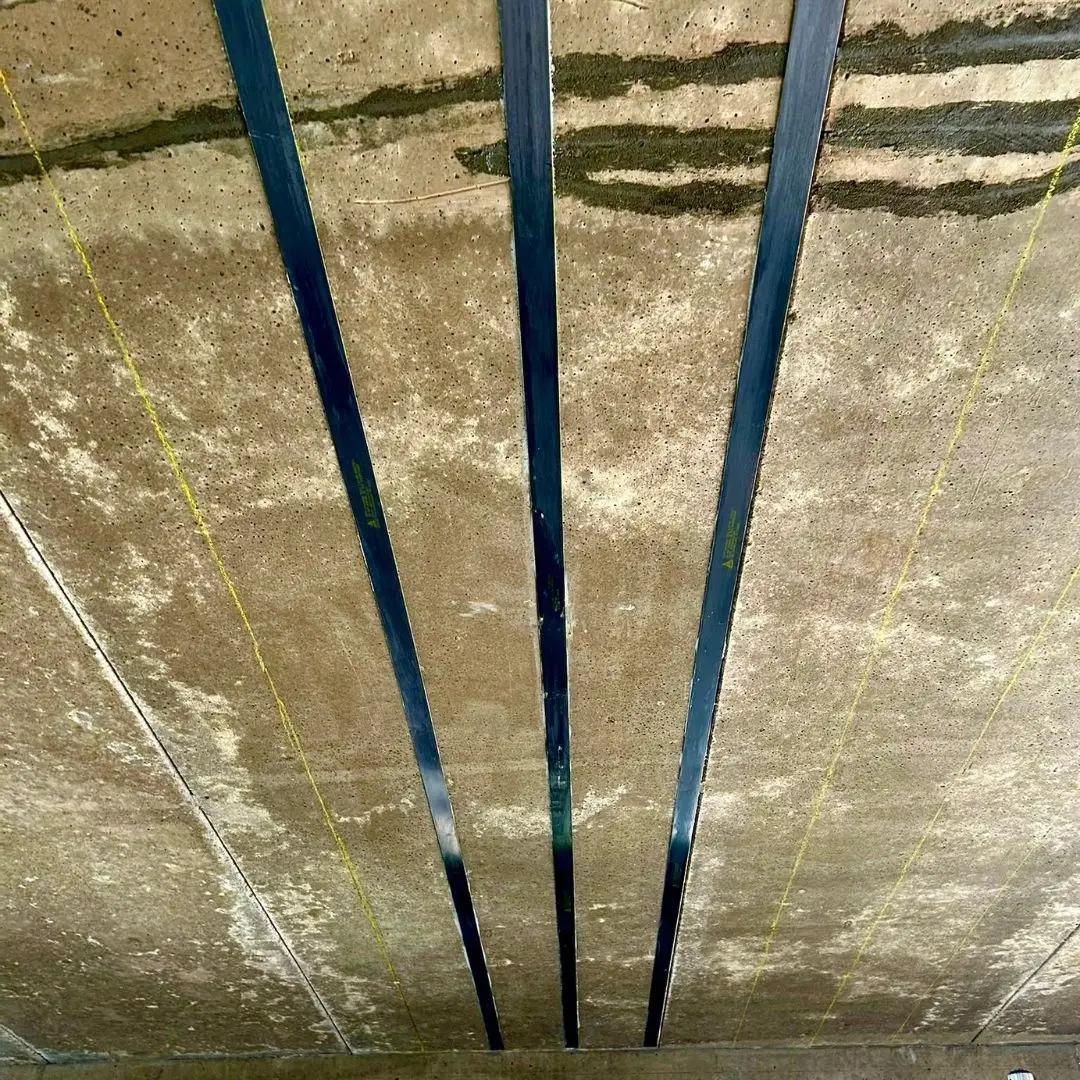
Fibre-reinforced polymer systems can strengthen existing structural elements while adding very little weight or depth. They are particularly useful where access, headroom, appearance or additional dead load limits the use of larger traditional interventions.
Clan installs externally bonded carbon fibre-reinforced polymer (CFRP) and aramid fibre-reinforced polymer (AFRP), including Kevlar systems, across North West England.
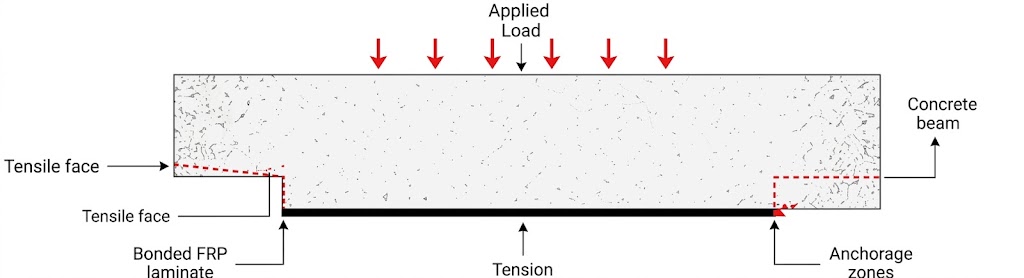
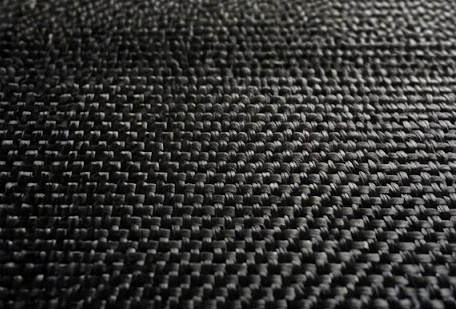
Carbon fibre-reinforced polymer (CFRP) uses high-strength carbon fibres in a polymer matrix to form structural plates, laminates or fabrics. Externally bonded CFRP can increase the flexural or shear capacity of beams, slabs and other concrete elements, strengthen areas around new openings and accommodate revised structural loads.
Its high strength and stiffness, combined with very low weight and thickness, make CFRP particularly suitable where space, headroom or additional dead load is limited.
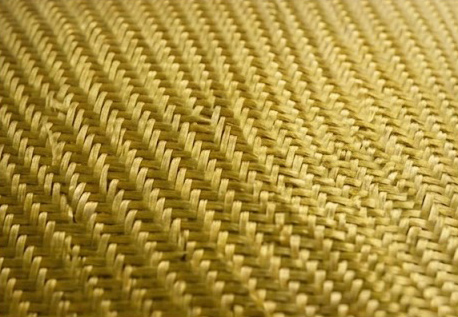
Aramid fibre-reinforced polymer (AFRP), including Kevlar systems, combines high-strength synthetic fibres with a polymer matrix. AFRP may be specified to strengthen beams, slabs or columns, reinforce local areas around structural alterations, or provide additional toughness where impact or dynamic loading is a concern.
Its lightweight, non-corroding reinforcement has different stiffness, elongation and toughness characteristics from CFRP.
The exact fibre, product form, anchorage and protective system depend on the structural design and substrate. Typical externally bonded solutions include:
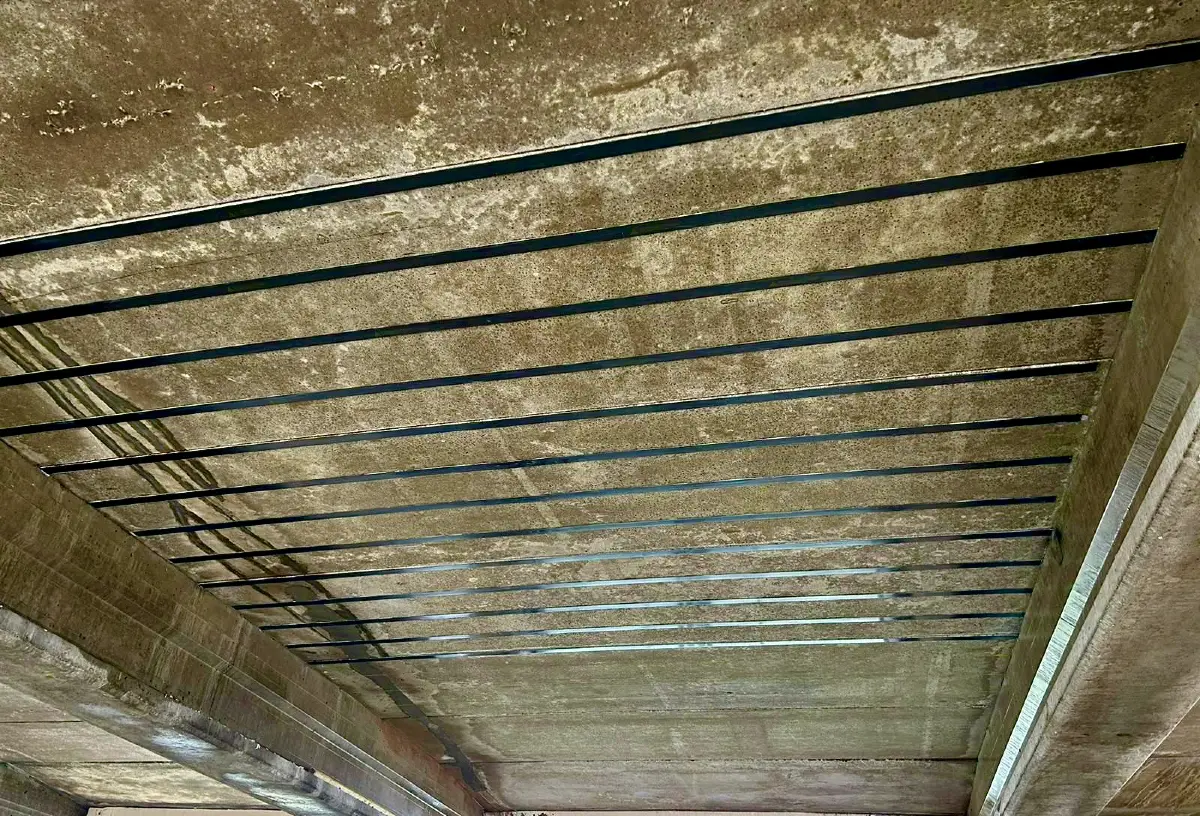
Review design, site conditions and substrate preparation requirements.
Remove laitance, achieve the specified surface profile and clean.
Apply adhesive and install CFRP or AFRP to the specified system.
Verify bond, coverage and performance in line with the specification.
Apply protective finishes and issue installation records.
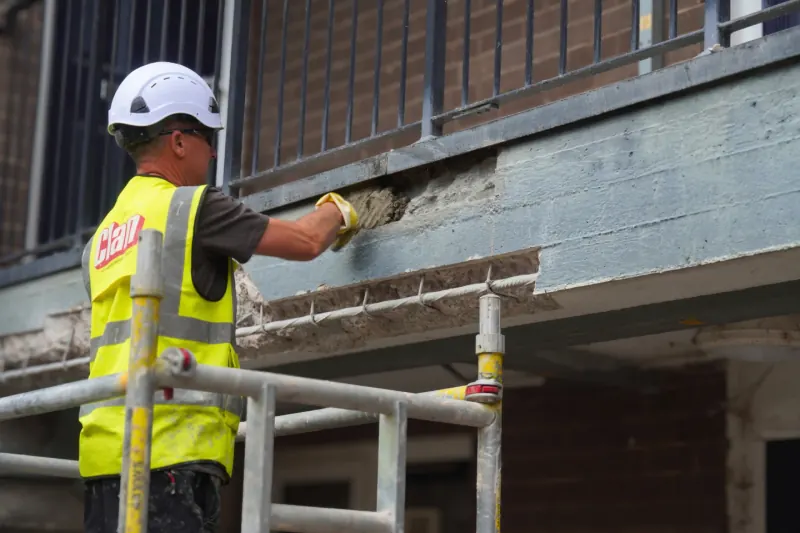
Hand-applied mortar repair reinstates localised areas of damaged concrete using a compatible repair mortar.
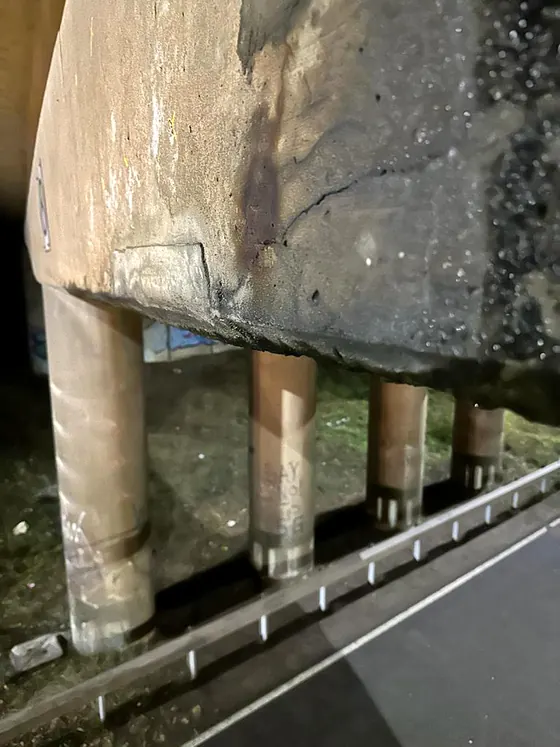
Concrete crack control starts by establishing the crack's pattern, movement, cause and required performance.
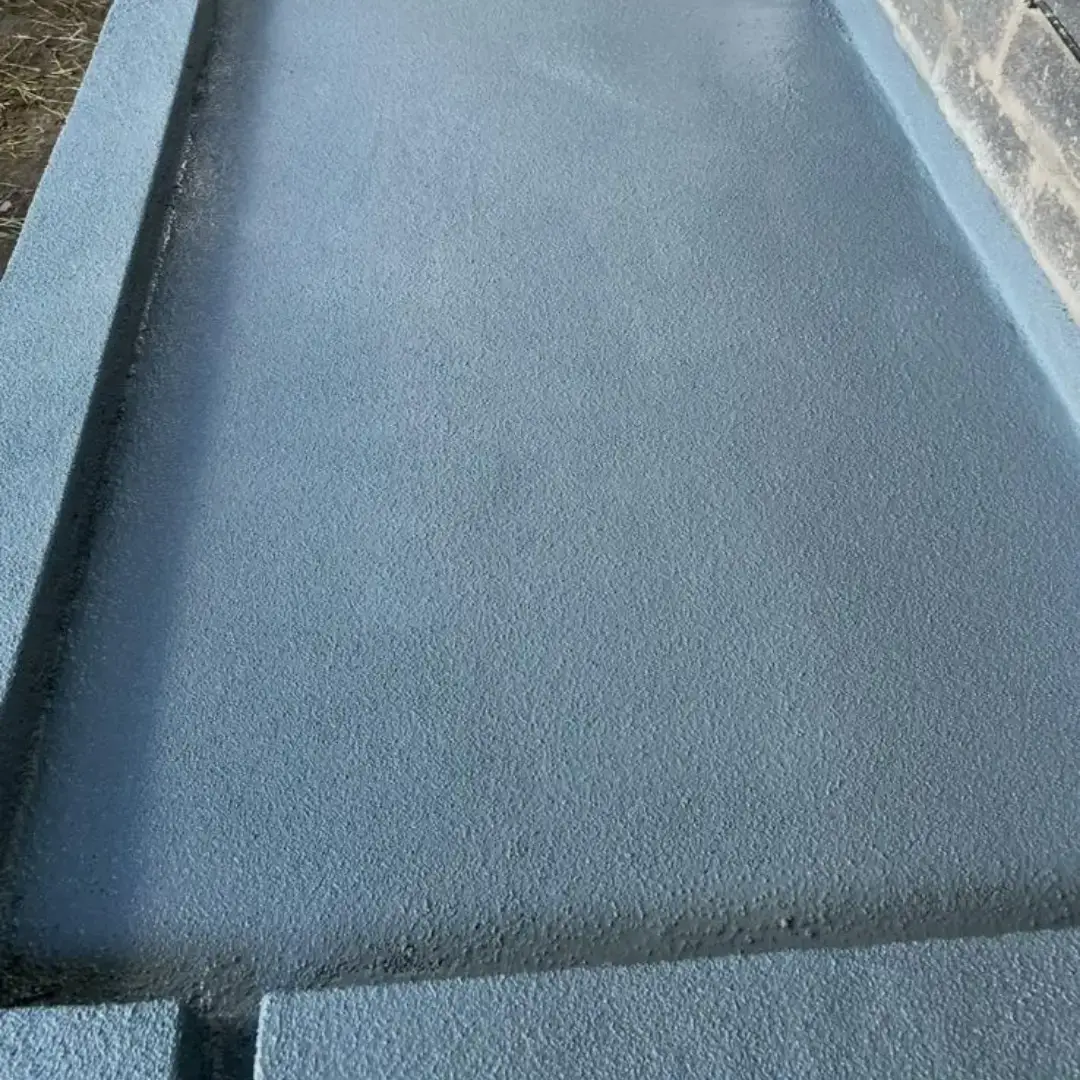
Protective coatings help reduce the ingress of water and carbon dioxide into repaired concrete.
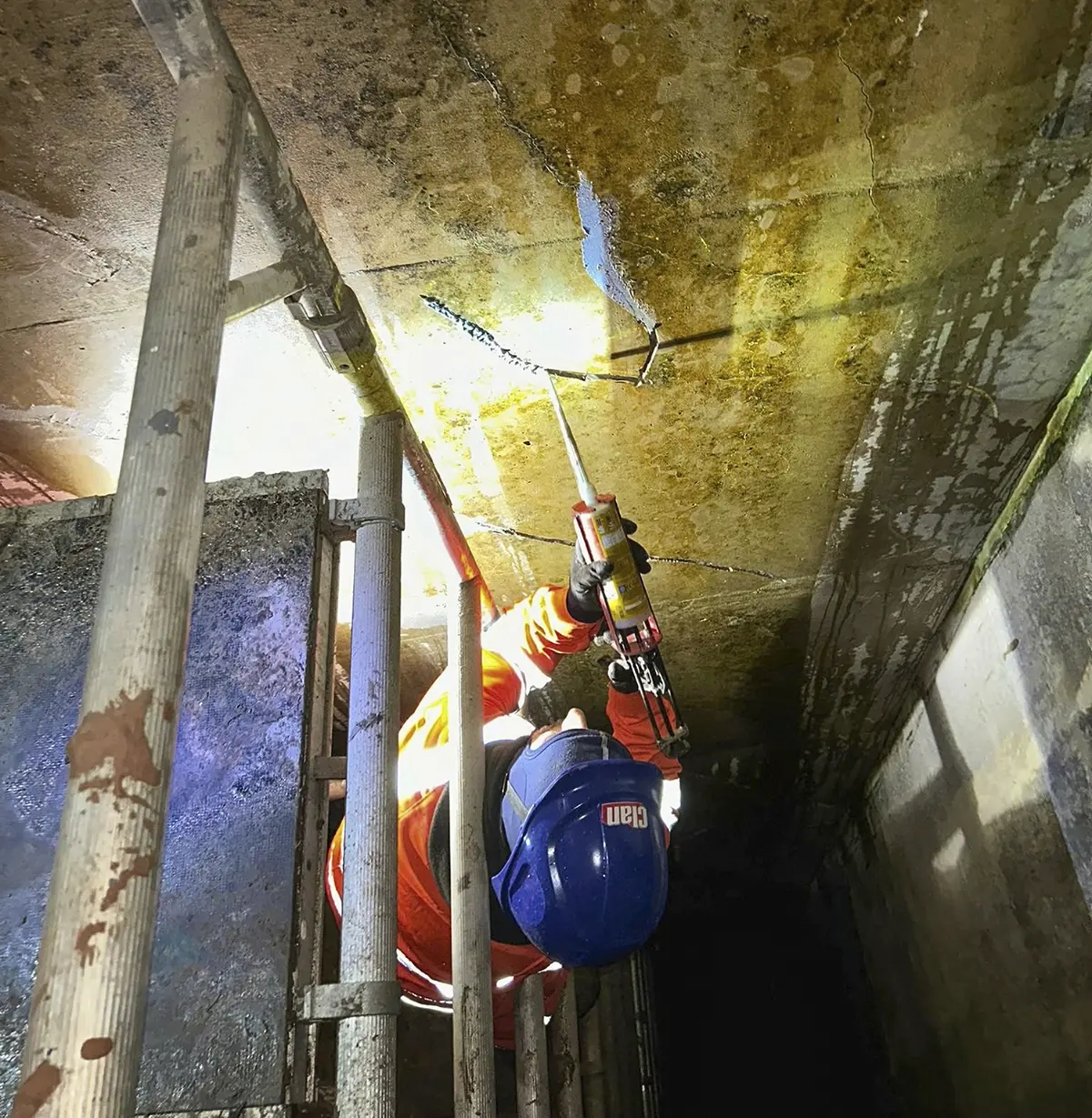
Clan delivers resin injection and structural grouting for crack repair, void filling, structural anchoring and load transfer.




















There is no useful universal comparison. CFRP generally offers higher stiffness, while AFRP has different elongation and toughness characteristics. The complete system must be assessed against the load case, substrate, geometry, exposure and required performance.
AFRP may suit a design that benefits from lightweight, non-corroding tensile reinforcement with higher elongation or particular toughness and impact characteristics. It is less common than CFRP in conventional building strengthening, so its use depends on a suitable project-specific design and proprietary system.
The receiving substrate must meet the structural design and system requirements. Unsound concrete, contamination, corrosion and defects that could affect bond or load transfer need to be assessed and treated before installation.