

Reverse Engineering for Architectural Components
3D scanning, digital modelling and printed patterns or moulds to replicate damaged, missing or obsolete components.
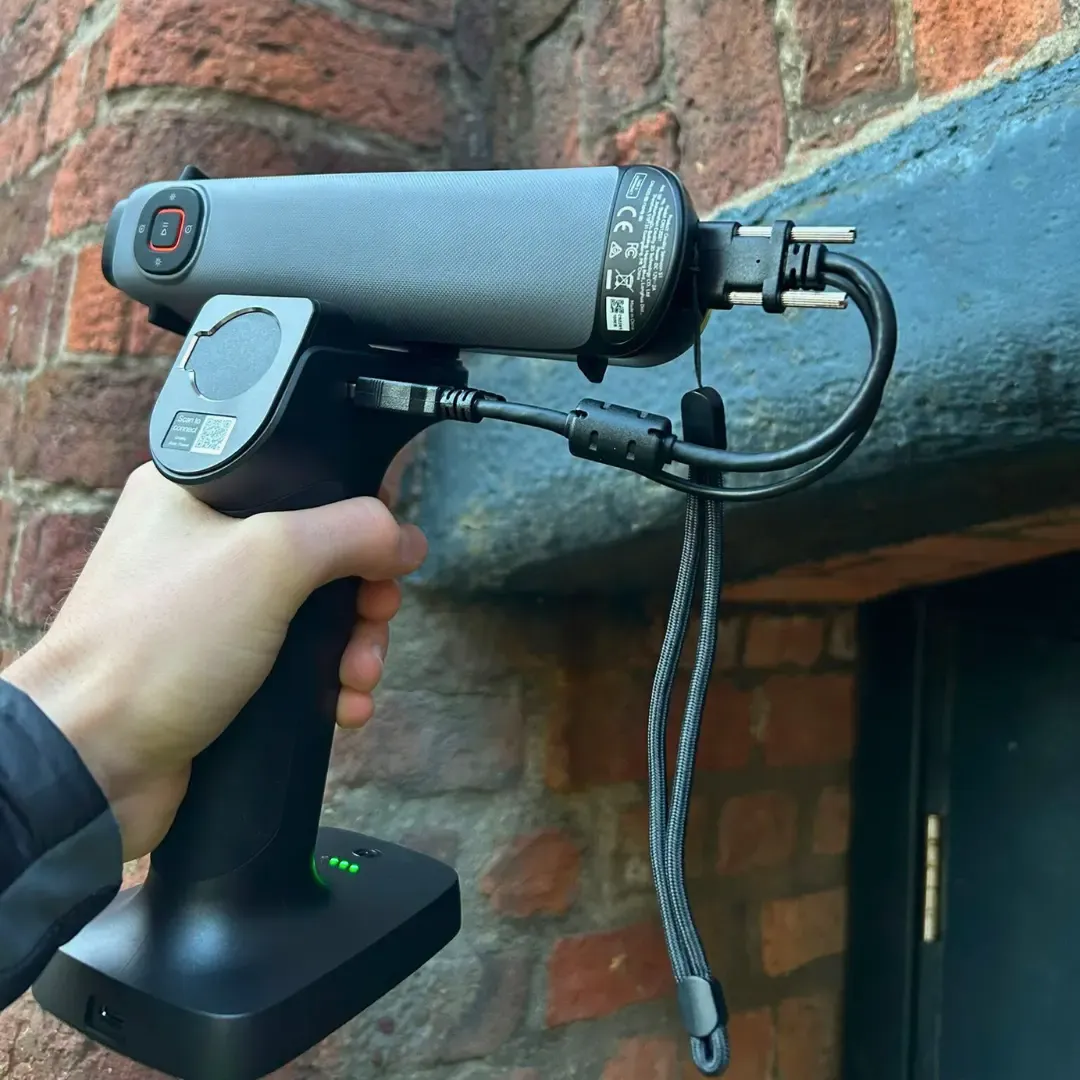
Replacing architectural components from the surviving original
When an architectural component is damaged, missing or no longer manufactured, a surviving original can provide the geometry needed for a replacement.
Clan uses three-dimensional scanning, digital modelling and 3D-printed patterns, masters or moulds to support façade and heritage restoration. We coordinate approval and specialist manufacture in the final material required by the project; a printed item is not necessarily the installed component.
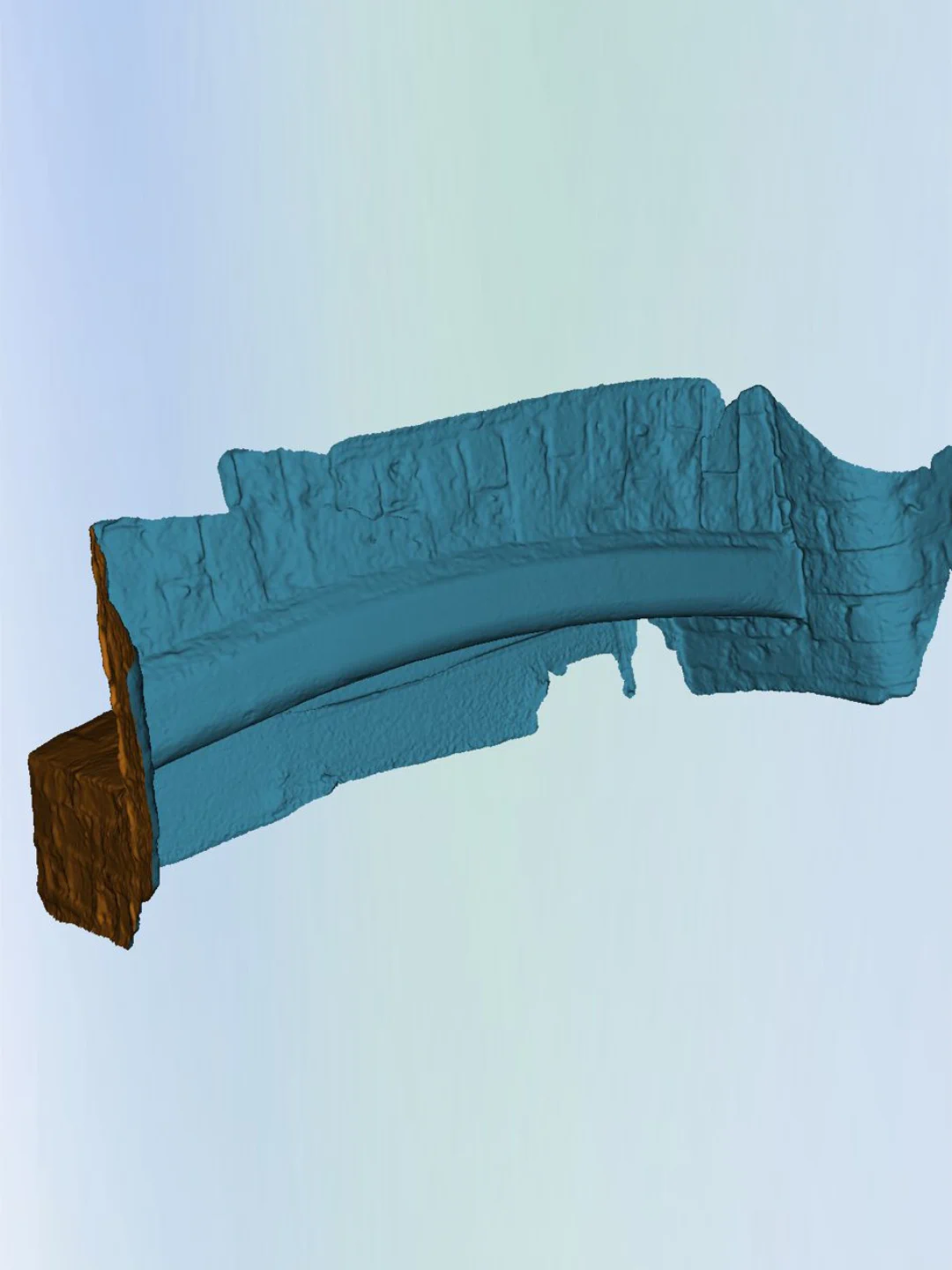
What reverse engineering can reproduce
The process can support replication of:
Cast-iron cover plates, grilles, brackets and other obsolete metalwork
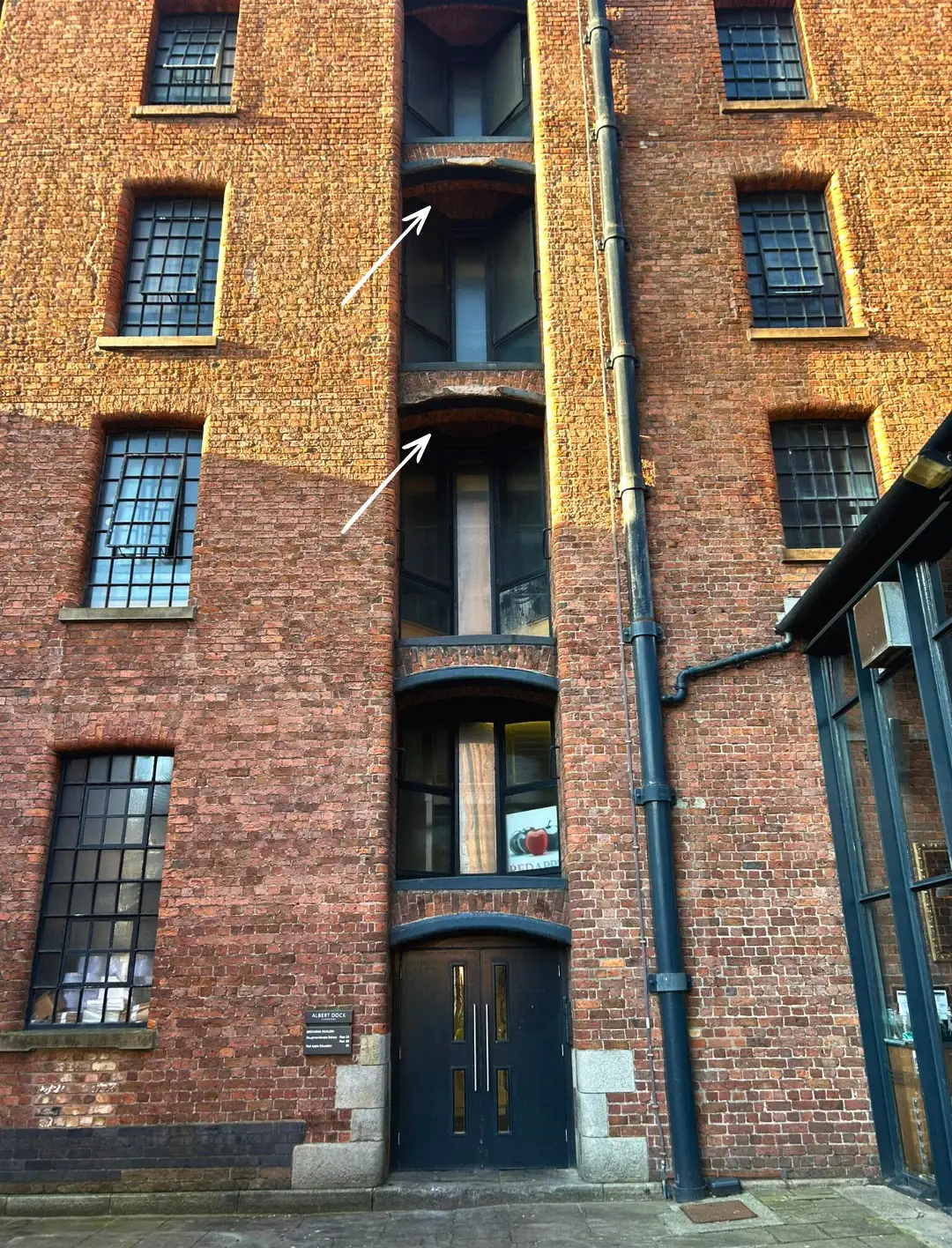
Damaged decorative or moulded architectural features
Window details, profiles and complex curved components
Repeated façade units requiring a consistent master
Components that are difficult to record accurately using conventional measurement alone
The final component may be cast metal, mortar, resin or another specified material. A 3D-printed object often serves as a prototype, pattern, master or mould rather than the final installed replacement.
The reverse-engineering process
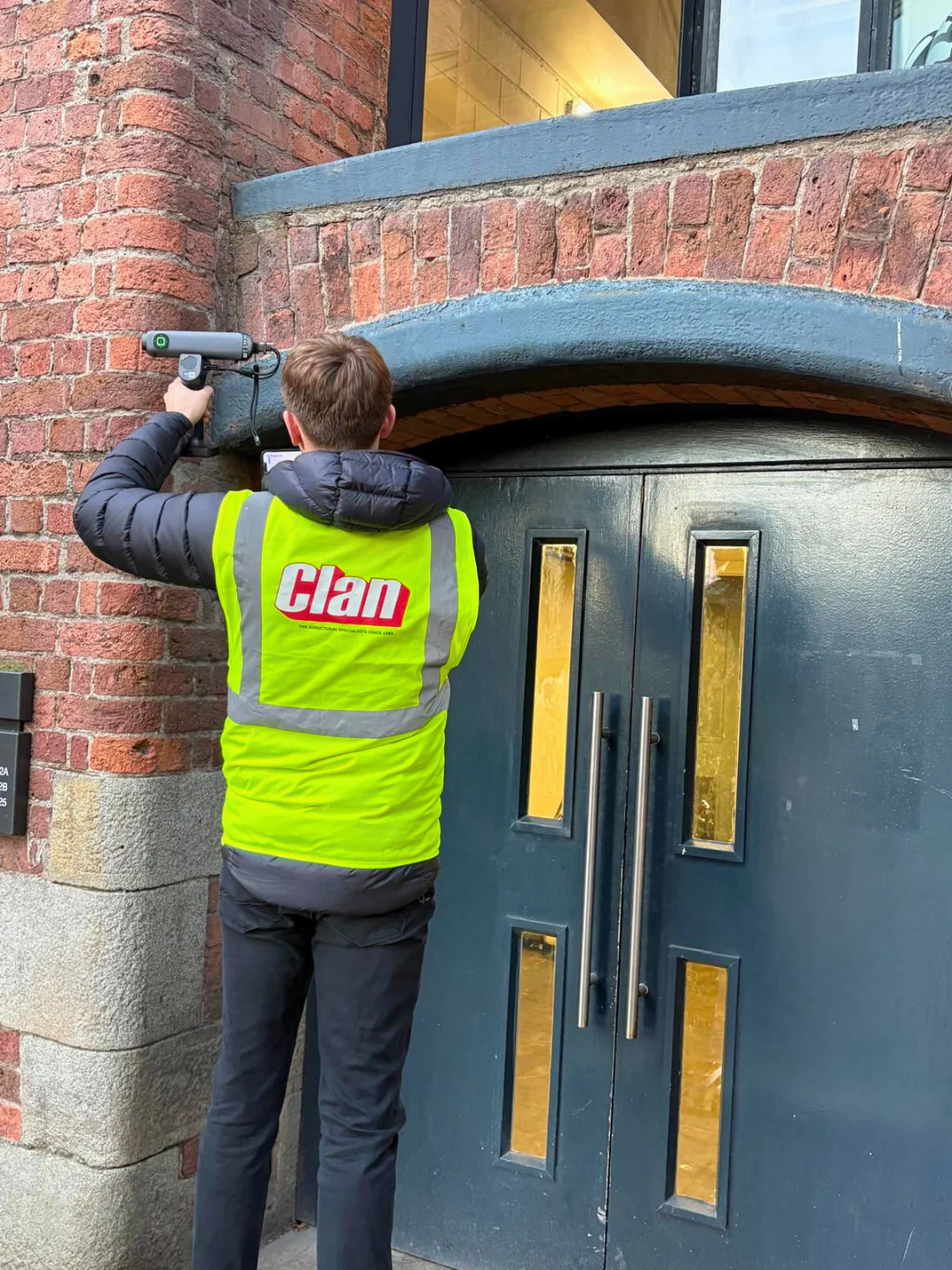
Record the surviving component
Clan inspects and scans the best available original at a resolution suited to the component's geometry and intended manufacturing route.
Develop the digital model
The scan data is cleaned and converted into a usable three-dimensional model. Damage, wear or distortion is reviewed so the model does not reproduce every defect automatically.
Produce a prototype, pattern or mould
A 3D-printed piece can be used to check geometry and fit or to create the master or mould needed for specialist manufacture.
Coordinate final manufacture
Following project-team approval, the model or pattern is issued to the relevant foundry, fabricator or specialist manufacturer for production in the specified material.
Check and install the component
The completed component is checked against the approved requirements, finished as specified and installed as part of the wider repair or restoration programme.
What determines the replication route
- The component's function, material, geometry, condition and heritage significance.
- The accuracy and resolution required for the final manufacturing process.
- Whether damage, wear or asymmetry should be retained or corrected.
- Tolerances, interfaces, fixings, loads and durability requirements.
- The role of the print: finished component, prototype, pattern, master or mould.
- Required approvals, specialist manufacturer capability, finishing and installation access.
The appointed designer or conservation team should approve the intended intervention and final appearance. Structural or safety-critical components also require the relevant engineering assessment and specification.
More Façade Restoration Services
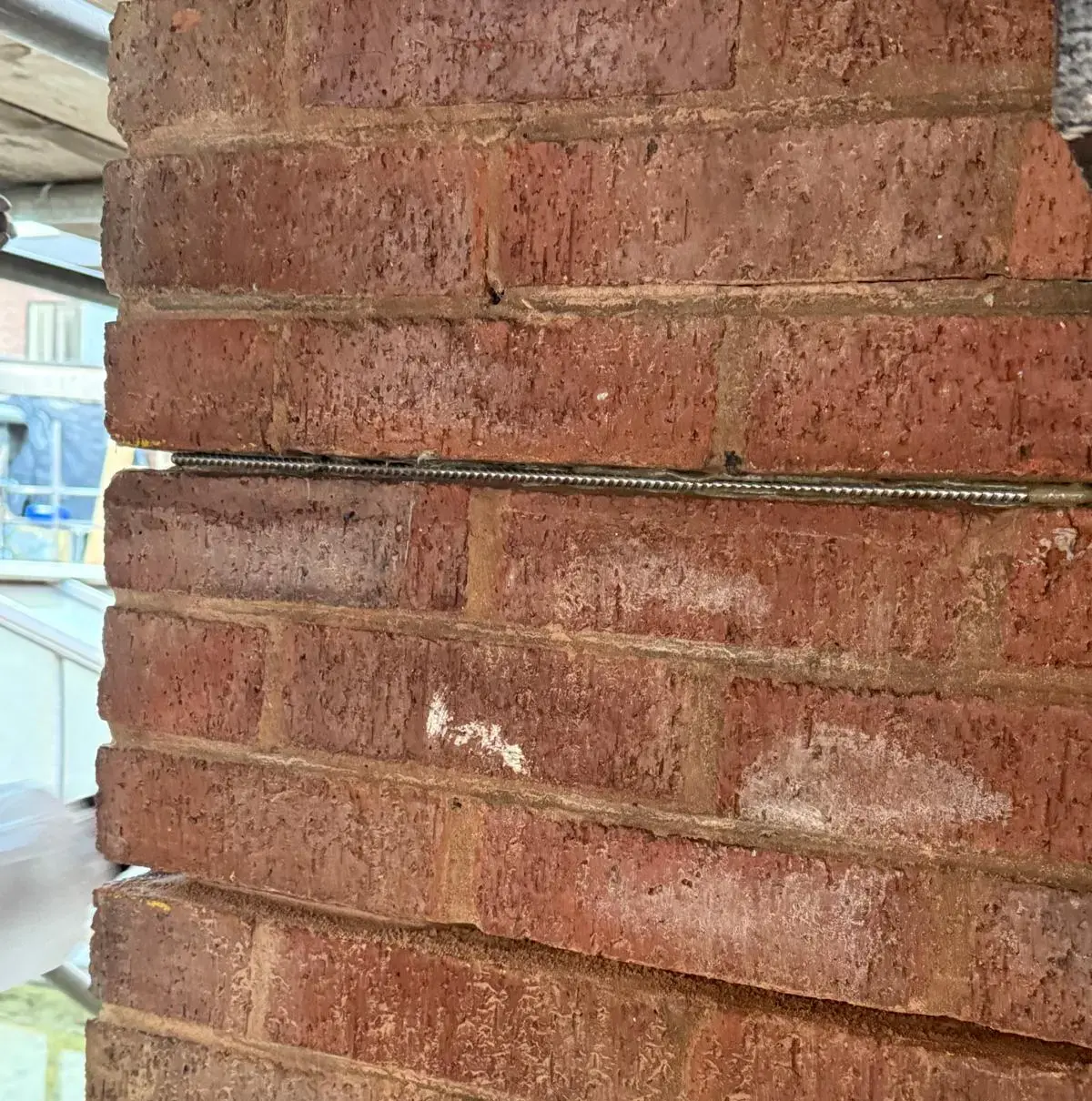
Masonry Repairs
Repointing, brick replacement, remedial cavity wall ties, lintel work, crack stitching, lateral restraints and local stone repair for historic and modern masonry.
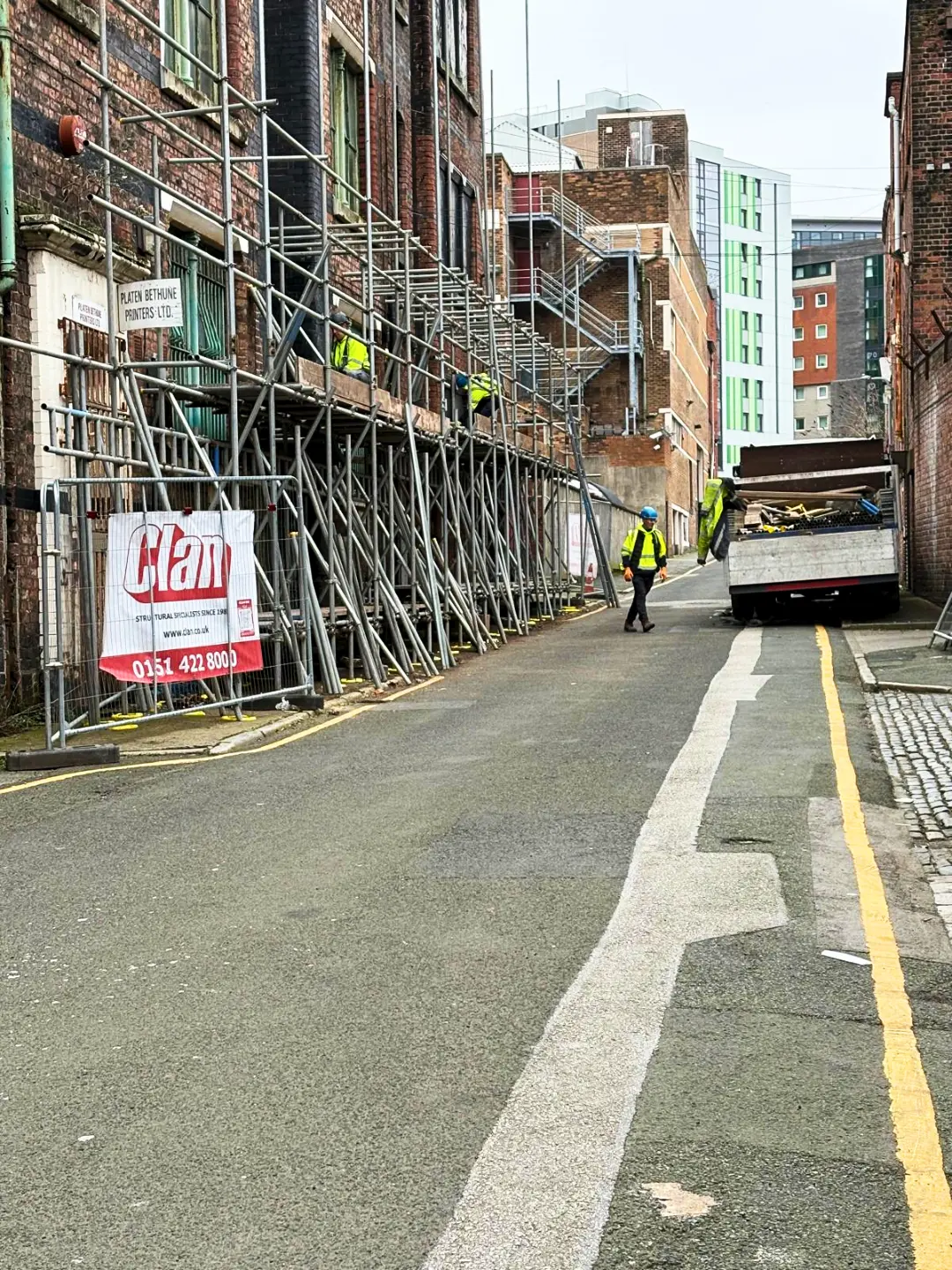
Façade Retention
Temporary support and permanent restraint for vulnerable façades during repair, alteration or redevelopment.
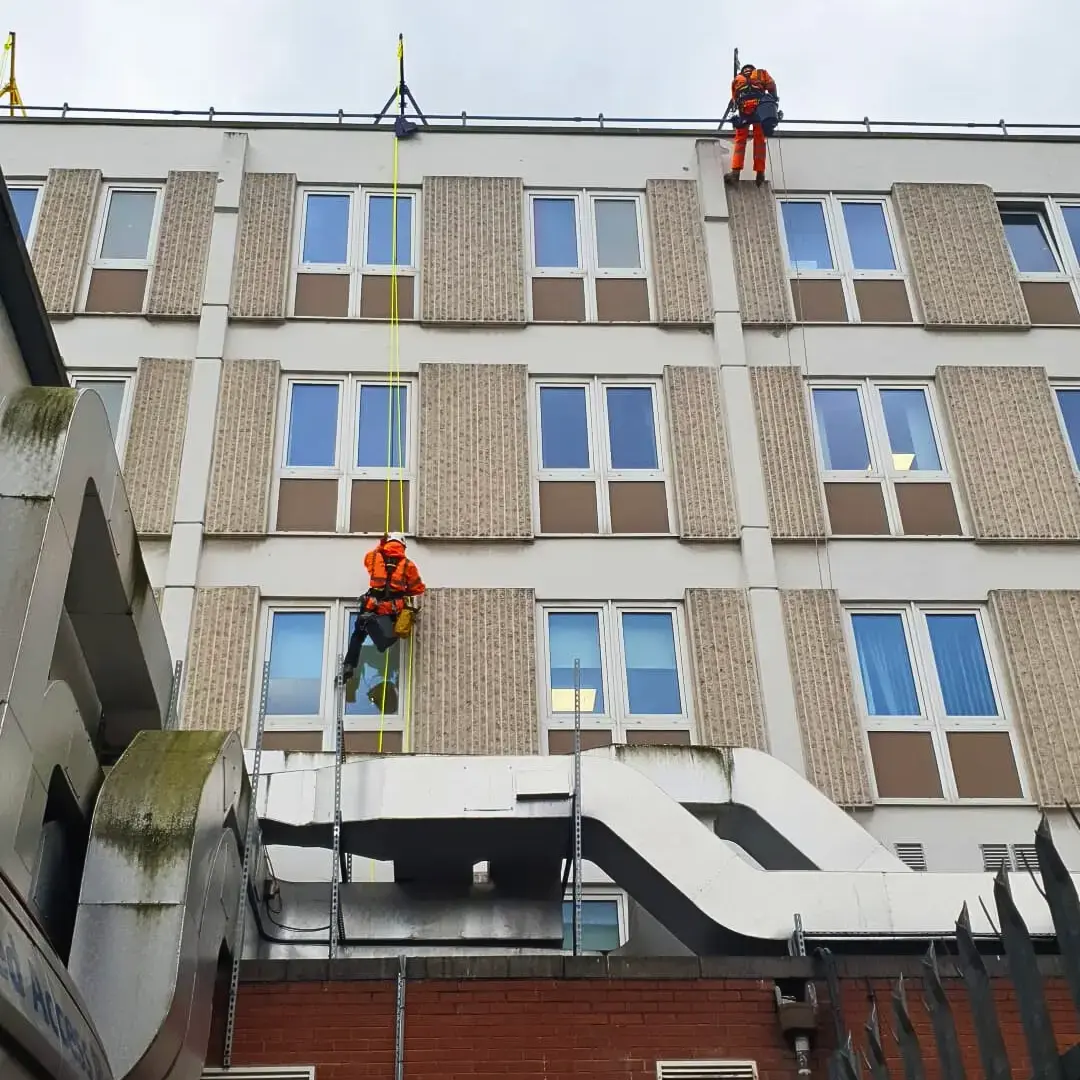
Façade Cleaning
Steam and superheated-water cleaning, controlled abrasive methods and chemical cleaning for appropriate surfaces and deposits.
Projects using Reverse Engineering




















FAQ'S
Is a 3D-printed item always the final replacement?
No. It may be a prototype, pattern, master or mould used to manufacture the final component in cast metal, mortar, resin or another specified material. The route depends on performance, appearance, exposure and project approvals.
Can an incomplete or damaged original be scanned?
Potentially. Scanning records the surviving geometry. The digital model can then be reviewed against photographs, matching components and other project evidence, but missing detail should not be invented without an agreed basis.
What should I provide for a component-replication enquiry?
Send photographs, dimensions, location and access details, the number of units, required final material, known function and any heritage or design requirements. If the original can be accessed, Clan can review whether scanning is a suitable first step.