

STRUCTURAL INVESTIGATION & SURVEYS

Non-Destructive Testing (NDT)

Targeted testing of concrete, reinforcement and building fabric that gathers condition information while avoiding or limiting damage.

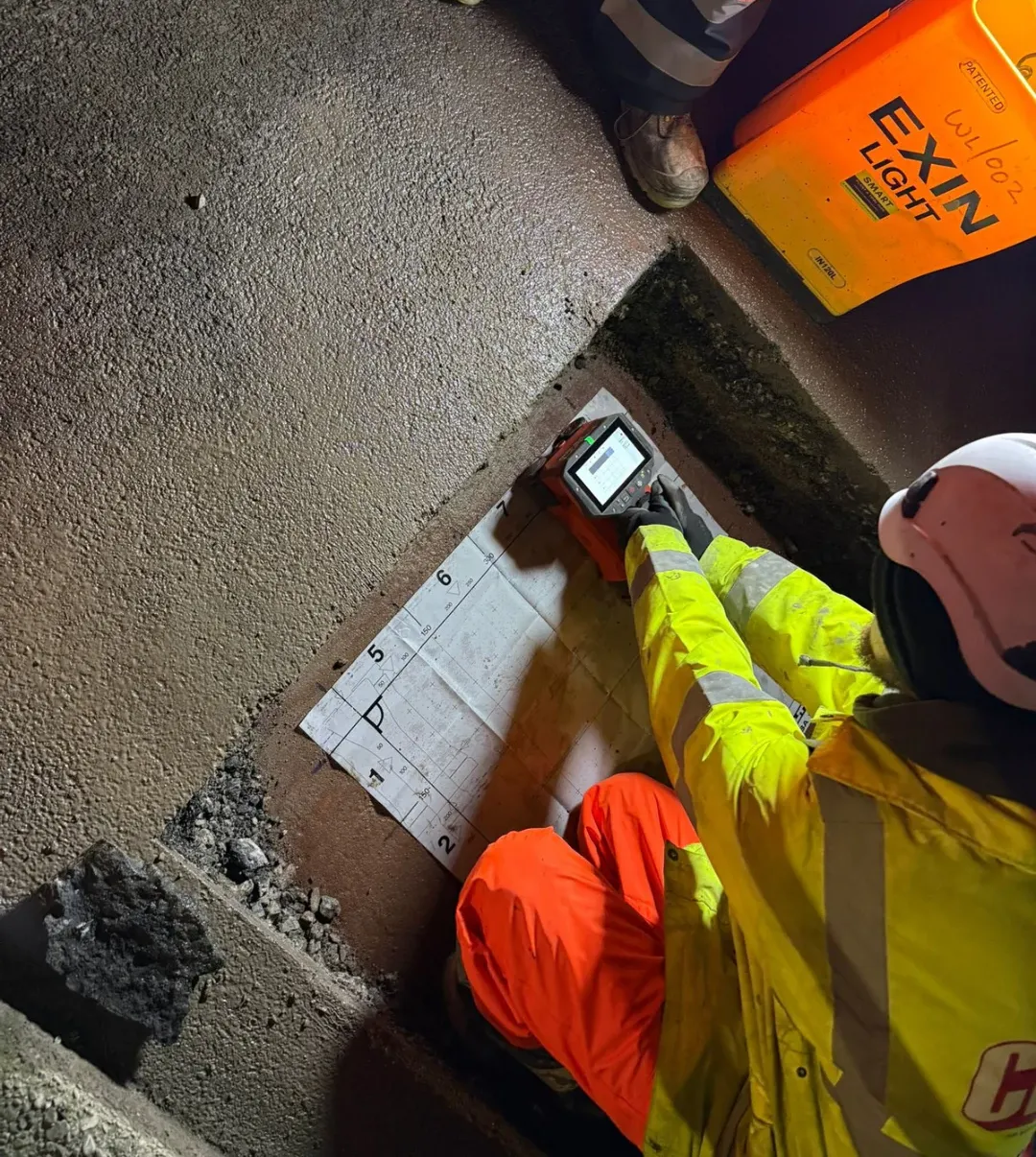
Reinforcement scanning on a concrete element
ONE METHOD, ONE QUESTION

Information without unnecessary damage

Non-destructive testing gathers information about a structure while avoiding or limiting damage to the material being assessed. Clan provides targeted NDT for concrete, reinforcement and building fabric across North West England and Wales.

Each method answers a different question. Clan uses NDT with visual evidence and available records, adding limited sampling or opening-up where the brief requires confirmation.

Non-destructive survey of a concrete structure
NDT METHODS

NDT methods & applications

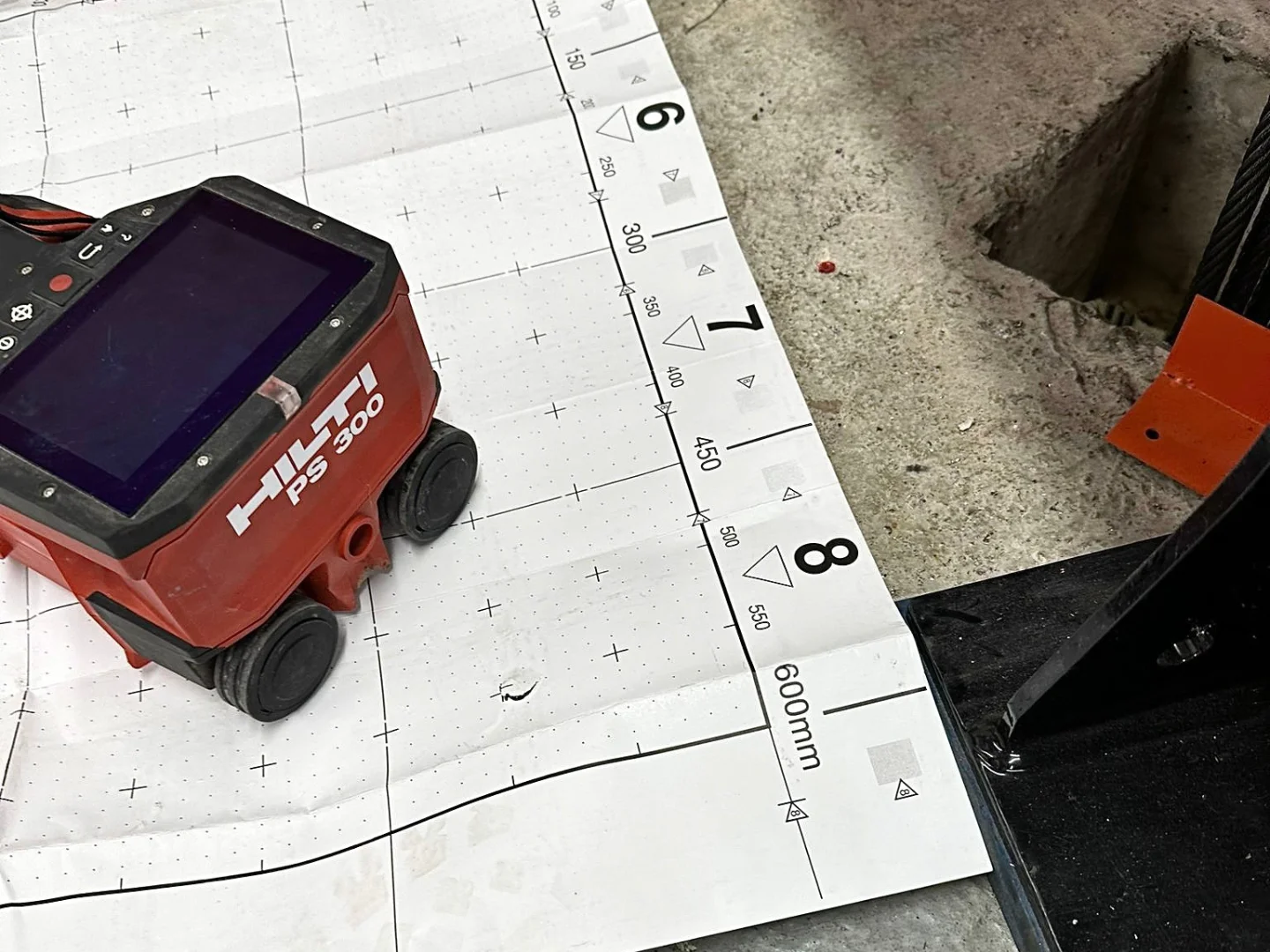
Ferroscan reinforcement surveys

What it measures
The position and estimated cover of reinforcement, with equipment-dependent estimation of bar size in suitable conditions.
Typical applications
Planning cores or fixings, checking cover across an area and recording reinforcement information for repair or assessment.

Key limitation: Closely spaced, deep or congested reinforcement and other site conditions can affect detection and accuracy; local verification may be required.
Schmidt hammer testing

What it measures
Rebound number as an indicator of surface hardness and relative uniformity.
Typical applications
Comparing areas of concrete and identifying zones that may warrant further investigation.

Key limitation: It is not a direct standalone measurement of in-situ compressive strength. Strength estimation requires an appropriate correlation for the concrete under investigation.

Half-cell potential surveys

What it measures
Electrical potential relative to a reference electrode across a defined grid.
Typical applications
Mapping areas with differing probability or patterns of reinforcement corrosion activity.

Key limitation: Does not measure corrosion rate or steel loss. Reliable readings require electrically continuous reinforcement and suitable surface contact.

Surface-resistivity measurements

What it measures
The concrete's resistance to electrical current at the surface.
Typical applications
Supporting assessment of conditions that influence corrosion activity and helping compare areas across a structure.

Key limitation: Moisture, temperature, material and geometry affect readings, so resistivity should be interpreted with other evidence.

Electrical-continuity testing

What it measures
Whether reinforcement or embedded steel elements are electrically connected.
Typical applications
Investigating existing steel arrangements and supporting cathodic-protection design or installation checks.

Key limitation: A continuity result does not by itself establish steel condition or structural adequacy.

Moisture surveys

What they measure
Moisture-related readings or distribution using a method suited to the material and required depth.
Typical applications
Comparing wet and dry areas, investigating possible water paths and planning further intrusive checks.

Key limitation: Surface readings may not represent moisture deeper within a build-up, and salts or material differences can influence some instruments.

CHOOSING THE METHOD

Which method answers which question

The method is selected for the question it can reliably help answer — and some questions need more than NDT.

Question

Where is the reinforcement, and how much cover does it have?

NDT methodFerroscan reinforcement survey
Question

How uniform is the concrete across different areas?

NDT methodSchmidt hammer testing
Question

Where is reinforcement corrosion activity more probable?

NDT methodHalf-cell potential survey
Question

How do conditions that influence corrosion compare across the structure?

NDT methodSurface-resistivity measurements
Question

Is the reinforcement or embedded steel electrically connected?

NDT methodElectrical-continuity testing
Question

Where are the wet and dry areas, and what are the possible water paths?

NDT methodMoisture survey
Beyond NDT

Have carbonation or chlorides reached the steel?

Beyond NDT

Is the steel actually corroding, and how much section is left?

Needs Local exposure for direct inspection of the steel
Beyond NDT

What is the in-situ compressive strength?

Needs Schmidt readings correlated with strength tests, commonly on cores
TEST PLANNING

What determines the NDT approach

  • The question each test needs to answer.
  • Construction, materials, reinforcement arrangement and surface condition.
  • Required coverage, grid spacing and repeatability.
  • Access, occupancy and environmental conditions during testing.
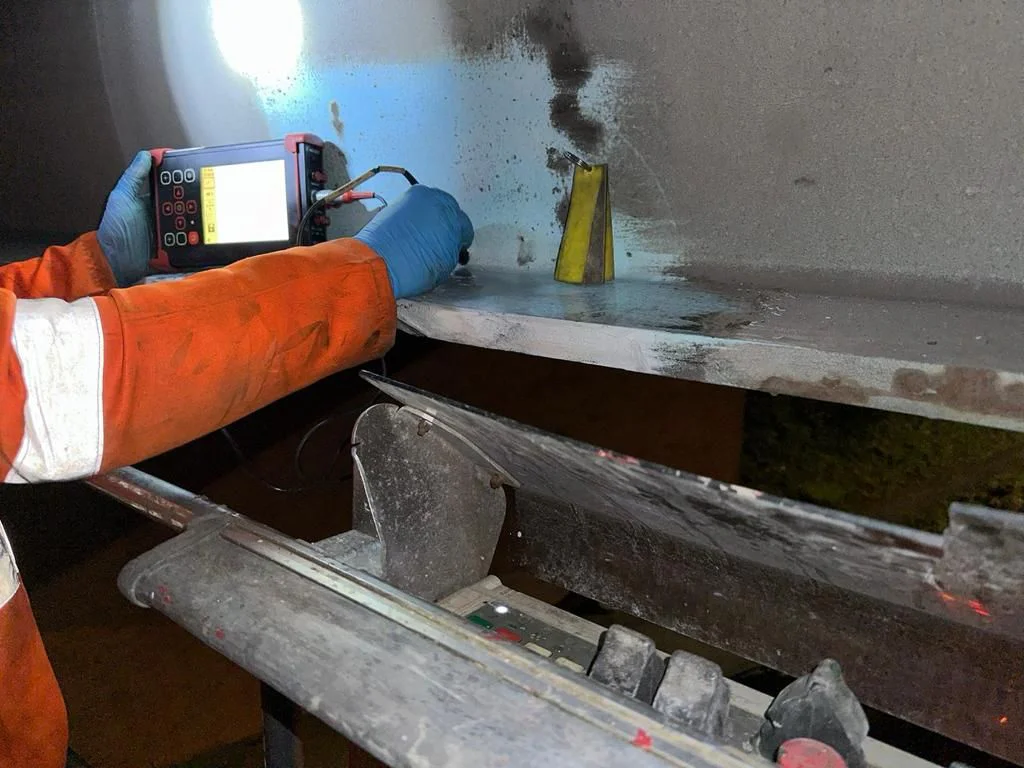
Ultrasonic testing of concrete on site
  • Equipment range, calibration and method limitations.
  • The need for cores, samples, opening-up or direct inspection to validate findings.
  • Reporting and interpretation responsibilities within the project team.

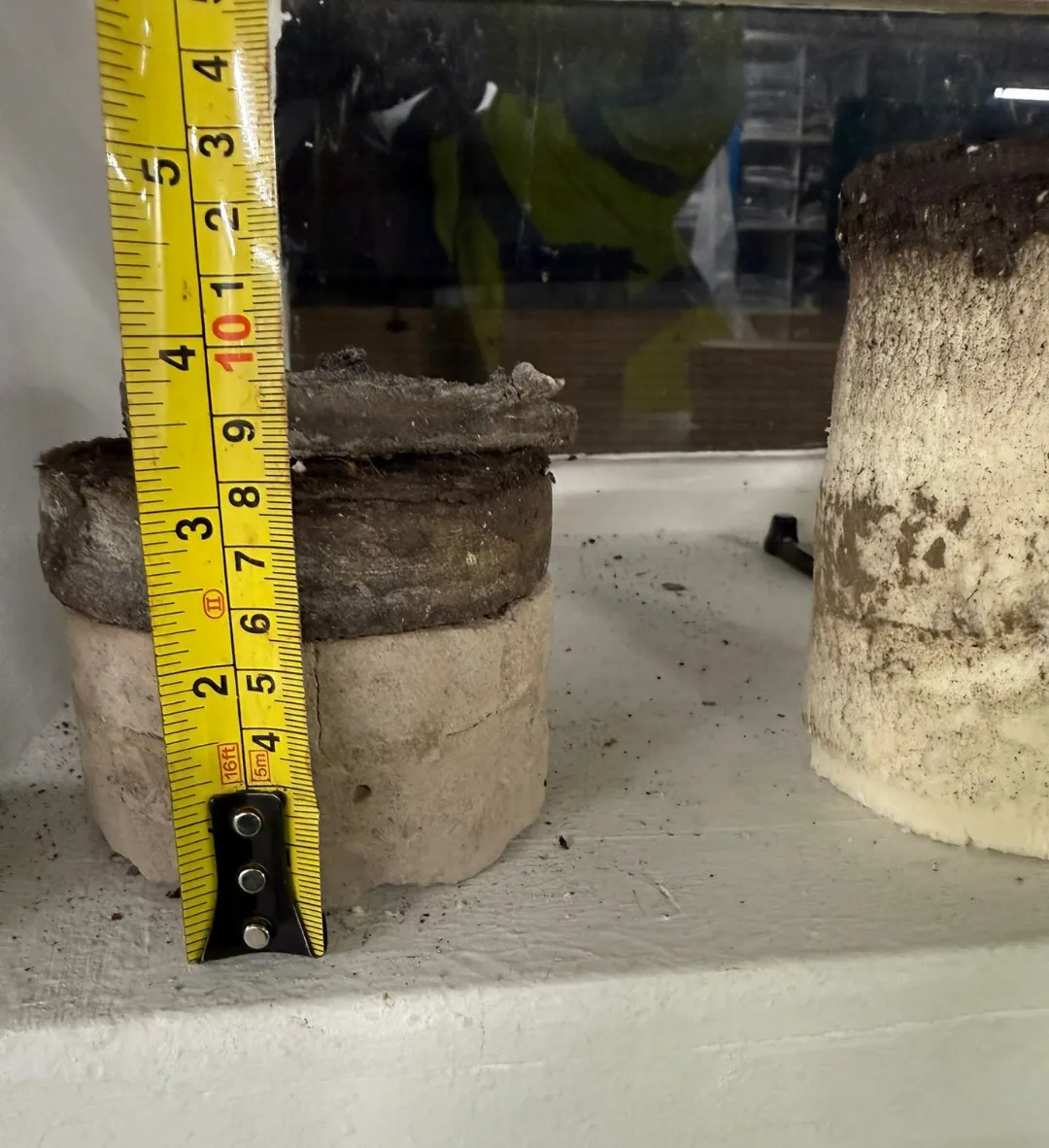
Pull-out or proof-load tests, core sampling and local opening-up may complement NDT, but they should not be presented as non-destructive methods.

Our clients
TECHNICAL QUESTIONS

FAQ'S

Does NDT mean there will be no drilling or opening-up?

The NDT methods themselves avoid or limit damage, but the wider investigation may need a small core, drilled sample or local exposure to confirm a finding or check the results. Any intrusive work should be identified in the agreed scope.

Can Ferroscan show whether reinforcement is corroding?

No. Ferroscan locates reinforcement and estimates concrete cover. Half-cell potential surveys help assess the likelihood of active corrosion, chemical tests investigate carbonation and chlorides, and local exposure allows direct inspection of the steel.

Can a Schmidt hammer confirm concrete compressive strength?

Not on its own. A Schmidt hammer measures surface rebound and helps compare concrete uniformity. To estimate compressive strength, its readings need an appropriate relationship to strength-test results for the concrete being assessed, commonly established using concrete cores.

Discuss a Non-Destructive Testing Project