

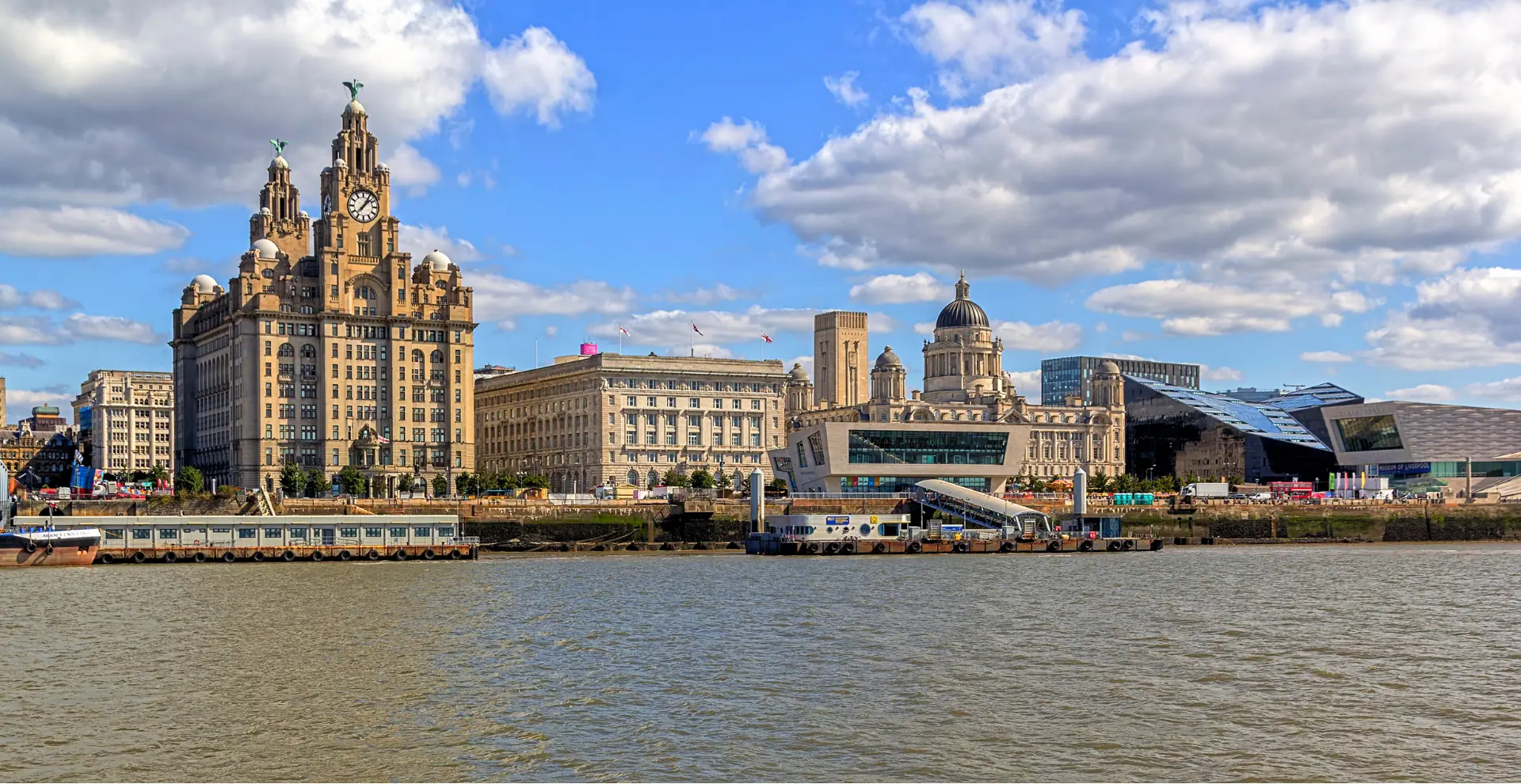
Façade Restoration
Specialist façade repair and restoration for historic and modern buildings across North West England and Wales.
Restoration that keeps the building’s character
Our work combines masonry repair, façade retention, architectural component replication and specialist cleaning, with delivery planned around the building’s construction, condition, site access requirements, ongoing use and heritage significance.
We are a multi-award winning company
-
Halton Business Awards 2026: Excellence in Construction Commitment to the Community
-
Insider LCR Awards 2026: Heritage Project of the Year
-
MIB Awards 2026: Manufacture or Trade Business of the Year
Have a survey or repair specification?
Clan can work from an appointed surveyor's, structural engineer's or consultant's design and specification. Where more condition information is needed, we also undertake targeted Structural Investigation & Surveys within our specialist scope.
Talk to our team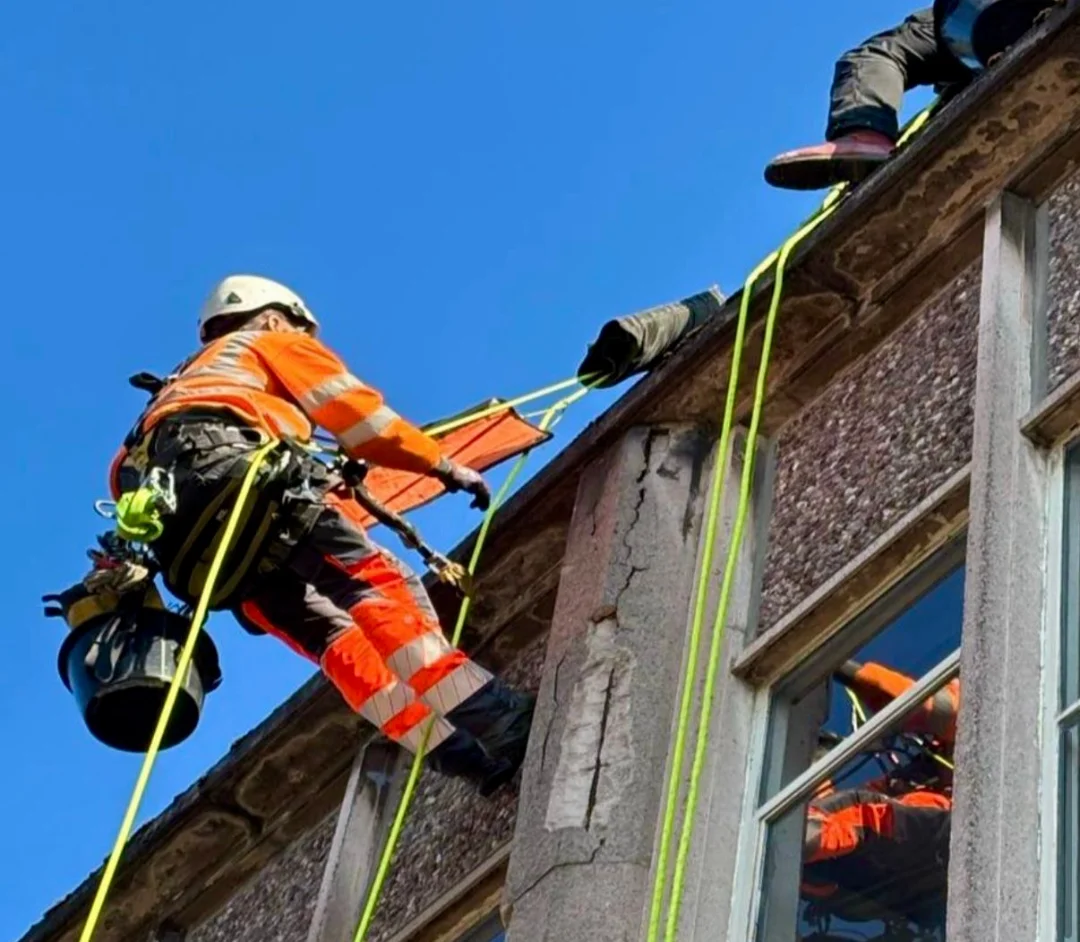
Problems façade restoration addresses
- Cracked, bulging, displaced or locally unstable brick and stone masonry.
- Open, eroded or incompatible mortar joints.
- Corroded, missing or ineffective wall ties, restraints and lintels.
- Damaged, missing or obsolete architectural components.
- Soiling, paint, biological growth and graffiti requiring a controlled cleaning method.
- Historic fabric that needs compatible repair with minimal unnecessary replacement.
- Occupied or operational assets requiring planned access, protection and phased delivery.
Our façade restoration expertise
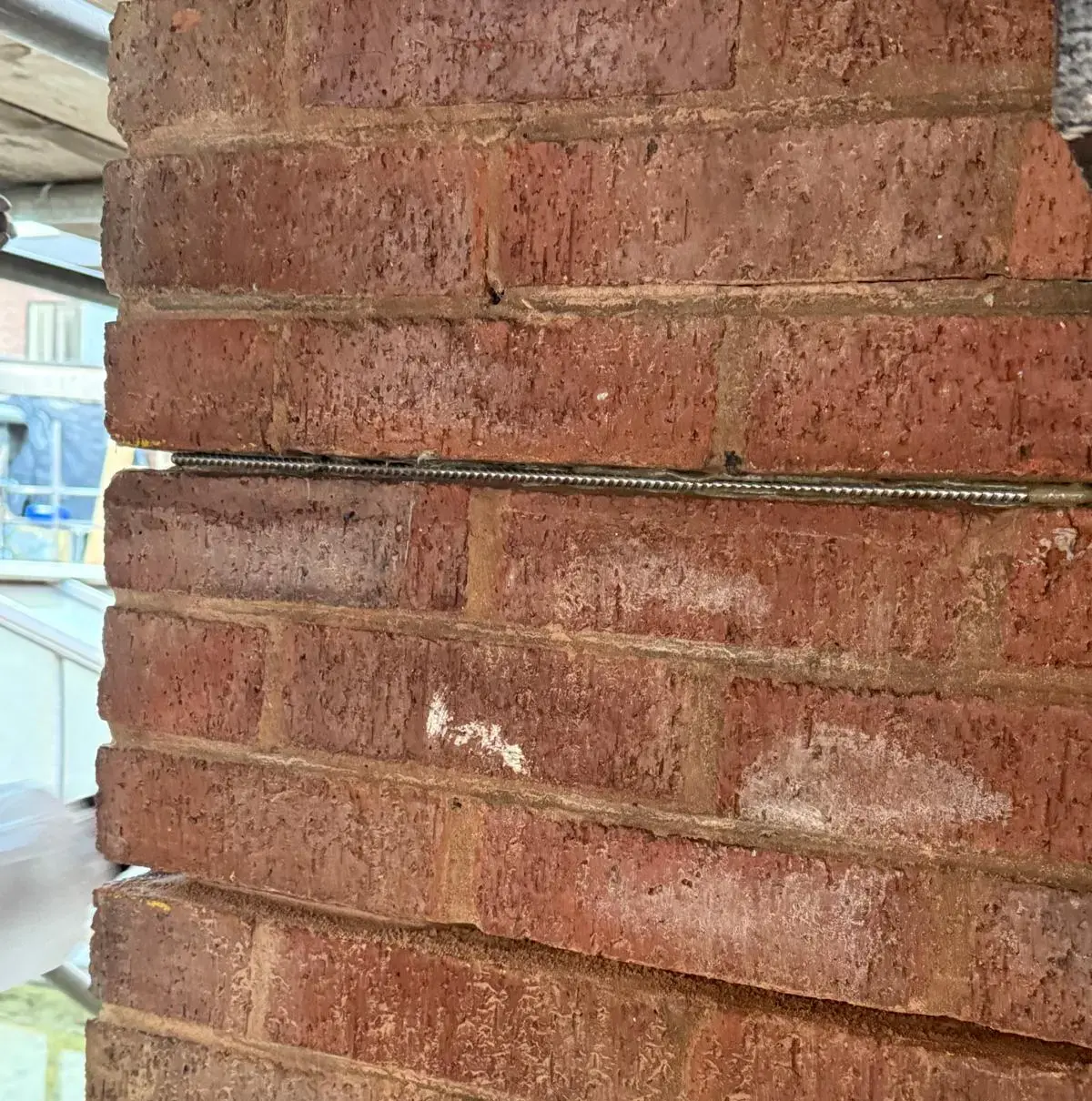
Masonry Repairs
Repointing, brick replacement, remedial cavity wall ties, lintel work, crack stitching, lateral restraints and local stone repair for historic and modern masonry. Investigation, material matching and compatible making good help the repair address the defect without avoidable loss of sound fabric.
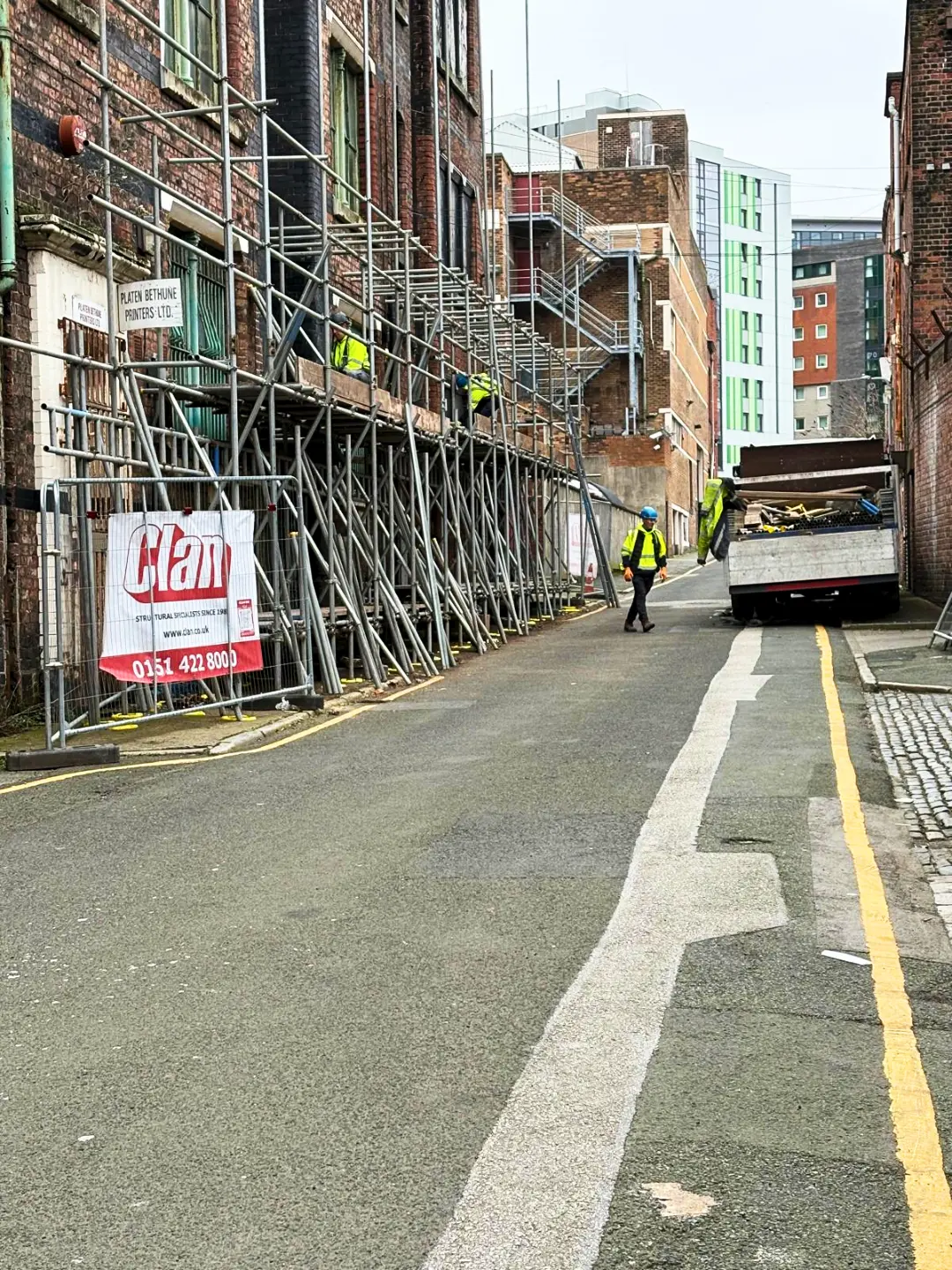
Façade Retention
Temporary support and permanent restraint for vulnerable façades during repair, alteration or redevelopment. Clan installs and coordinates project-specific systems with the appointed structural engineer and specialist temporary-works, scaffolding or access designers where required.
Reverse Engineering
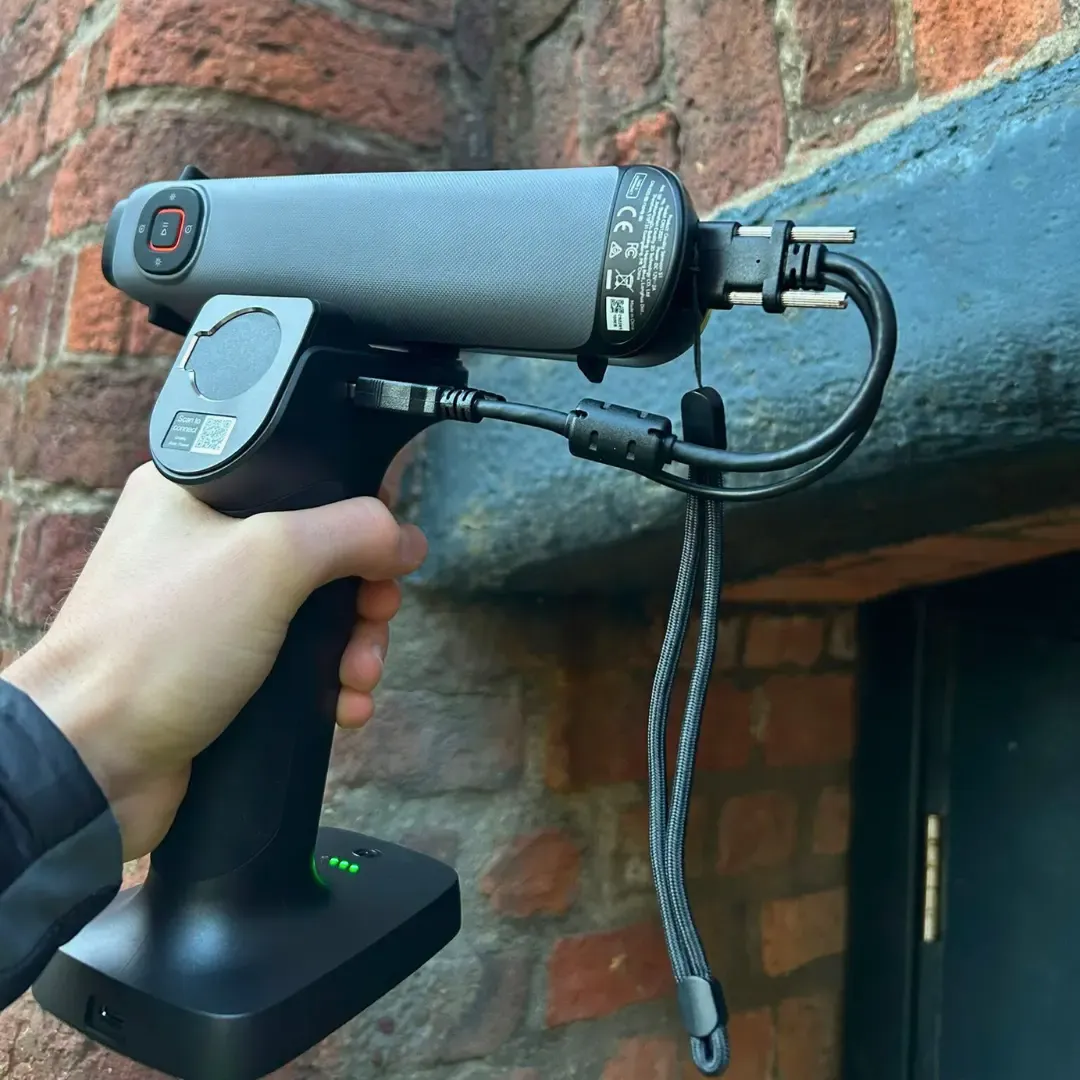
Three-dimensional scanning, digital modelling and printed patterns or moulds can reproduce damaged, missing or obsolete architectural components. The approved model can support manufacture in the material specified for the project.
Façade Cleaning
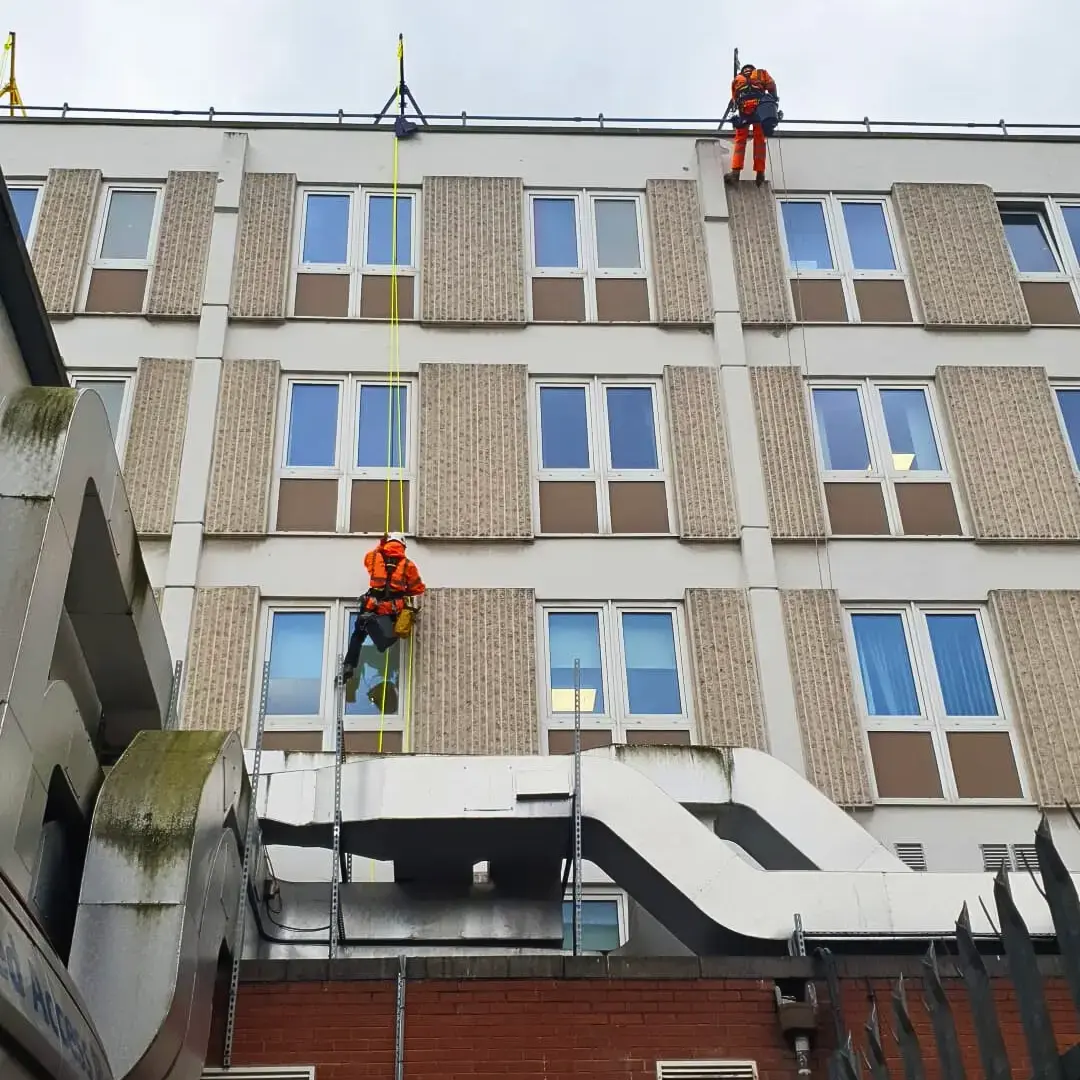
Steam and superheated-water cleaning, controlled abrasive methods and chemical cleaning for appropriate surfaces and deposits. Assessment and trial areas help determine the least aggressive method capable of achieving the required result.
Relevant façade restoration experience




















FAQs
What information should I send with a façade restoration enquiry?
Send available surveys, drawings, photographs, defect schedules, access information, heritage constraints and details of occupancy or public interfaces. If information is incomplete, Clan can explain which targeted investigation may help the wider project team define the scope.
Can façade restoration be delivered on an occupied building?
Yes, where the project arrangements allow it. Clan has delivered masonry and façade work across occupied homes and live education settings. Access, exclusion zones, dust, noise, resident communication, protection and sequencing are planned for the asset and programme.
Does every historic masonry repair require lime mortar?
No. Mortar should be compatible with the existing masonry, construction, exposure and conservation requirements. Historic work often uses lime-based mortar, but analysis, sample panels or trials may be required before the mix, colour, texture and joint profile are agreed.