
CORROSION CONTROL

Waterproofing

Barrier, membrane, coating and injection systems selected for the structure, the water path and the environment the space needs.

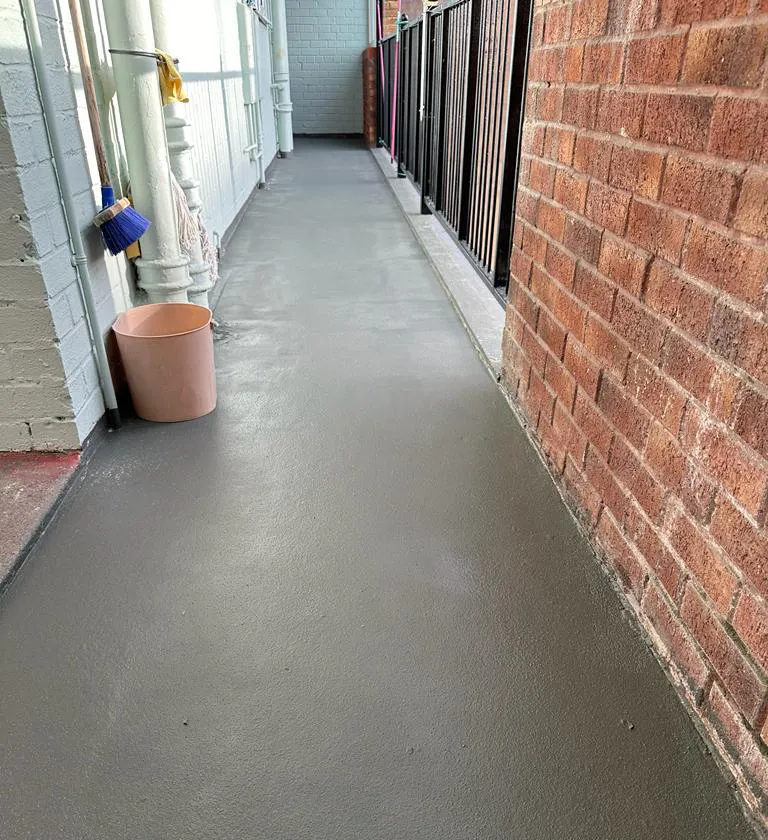
Waterproofing membrane installed on a balcony deck
FIND THE WATER PATH

Waterproofing systems matched to the building

Clan installs specified waterproofing systems for basements, balconies, communal access walkways, car park decks, ramps, walls and selected cracks or joints across North West England. Our work uses barrier, membrane, coating or injection systems selected for the structure, substrate, water path and required environment.

Water can travel through concealed routes, so the visible damp area may not identify its source. Investigation and waterproofing design should establish the water risk, defects, joints, drainage, access and consequences of leakage before the system is selected.

Water ingress through a concrete element
WHERE WE WATERPROOF

From below ground to trafficked decks

Basements

Balconies

Communal access walkways

Car park decks and ramps

Walls

Selected cracks or joints

WATERPROOFING SYSTEMS

Waterproofing systems & applications

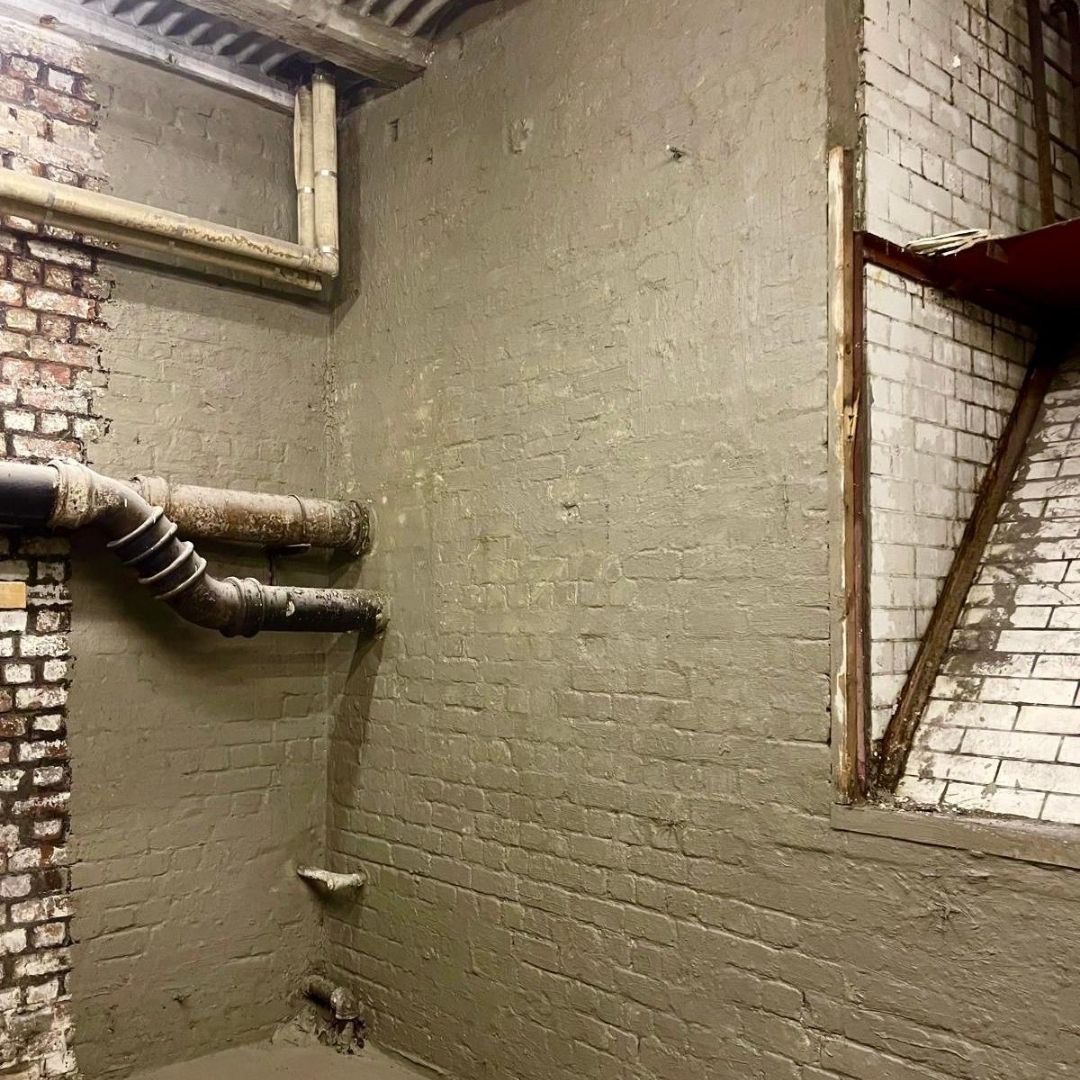
Basement tanking and Type A barrier waterproofing

01
Typical application
Below-ground walls and floors where a barrier system is specified to resist water entering the target environment.
How it works
A bonded or unbonded barrier is installed internally, externally or within the structure, with continuity at walls, floors, joints, penetrations and terminations.
Asset benefit
A correctly detailed barrier can help achieve the internal environmental performance defined by the waterproofing design.
Sheet-membrane waterproofing

02
Typical application
Prepared walls, floors and other surfaces where the specified sheet system can be installed continuously.
How it works
Sheets are bonded or fixed with designed laps and details at corners, penetrations and terminations.
Asset benefit
A factory-manufactured membrane provides a consistent barrier layer with joints and details that can be inspected during installation.

Trafficable waterproofing and deck-coating systems

03
Typical application
Balconies, communal access walkways, car park decks, ramps and complex upstand or drainage details.
How it works
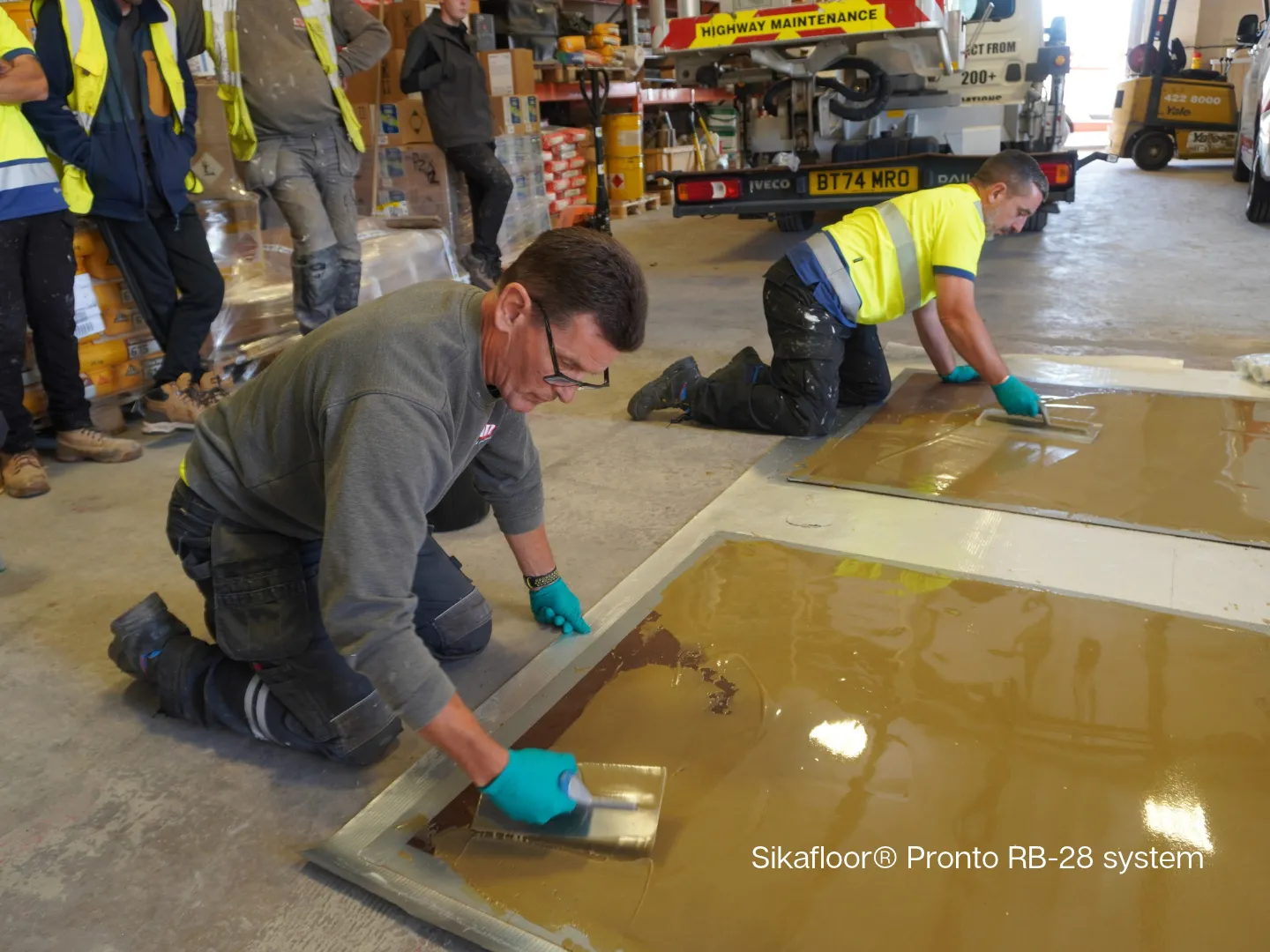
The specified liquid build-up forms a waterproof membrane or protective deck coating and may include reinforcement, wear layers and a trafficable or slip-resistant finish. For car park decks and ramps, Clan also installs specified systems such as Sikafloor® Pronto RB-28, a fast-curing waterproof decking membrane system.
Asset benefit
The system can control water ingress while providing a finish suited to foot traffic and the operational requirements of the area.

Cementitious waterproof coatings and renders

04
Typical application
Compatible concrete or masonry where a bonded cement-based water-resistant layer is specified.
How it works
The prepared substrate receives the specified coating or render, with cracks, joints and transitions detailed separately where required.
Asset benefit
A compatible cementitious treatment can integrate with mineral substrates and associated repairs.

Crack and joint injection

05
Typical application
Selected cracks, joints or identifiable water paths compatible with injection treatment.
How it works
Resin or grout is injected through ports or packers using a material suited to the moisture, movement and function of the defect.
Asset benefit
Injection can address a defined water path without applying a full surface system where investigation supports local treatment.
WATER RISK & DESIGN

What determines the waterproofing approach

  • Groundwater, drainage and the source and route of water.
  • Required internal environment and consequences of leakage.
  • Structural form, substrate condition, cracks, joints and movement.
  • Water pressure and available installation access.
Waterproofing detail at a deck upstand
  • Continuity at penetrations, corners, upstands, outlets and terminations.
  • Compatibility with repairs, finishes and adjoining building elements.
  • Inspection, maintainability and the appointed waterproofing design.

Our clients
TECHNICAL QUESTIONS

FAQ'S

What information should I send with a waterproofing enquiry?

Send available waterproofing designs, surveys, drawings, leak records, photographs, ground or drainage information, previous repairs and the required use of the space. For balconies and communal access walkways, include falls, outlets, thresholds, finishes, traffic and access constraints.

What is Type A waterproofing?

BS 8102:2022 describes Type A as barrier protection, in which a waterproofing material is applied or incorporated to resist water entry. It is distinct from Type B structurally integral protection and Type C drained protection.

Can a waterproofing system be applied over cracked concrete?

Only after the cracks and substrate have been assessed. The response depends on crack cause, width, movement, moisture, structural significance and the selected system's tested capability. Repair, joint treatment or a different detail may be required first.

Discuss a Waterproofing Project