
FAÇADE RESTORATION

Masonry Repairs

Repointing, brick and stone repair, wall ties, lintels and restraint for historic and modern masonry, starting from the cause of deterioration.

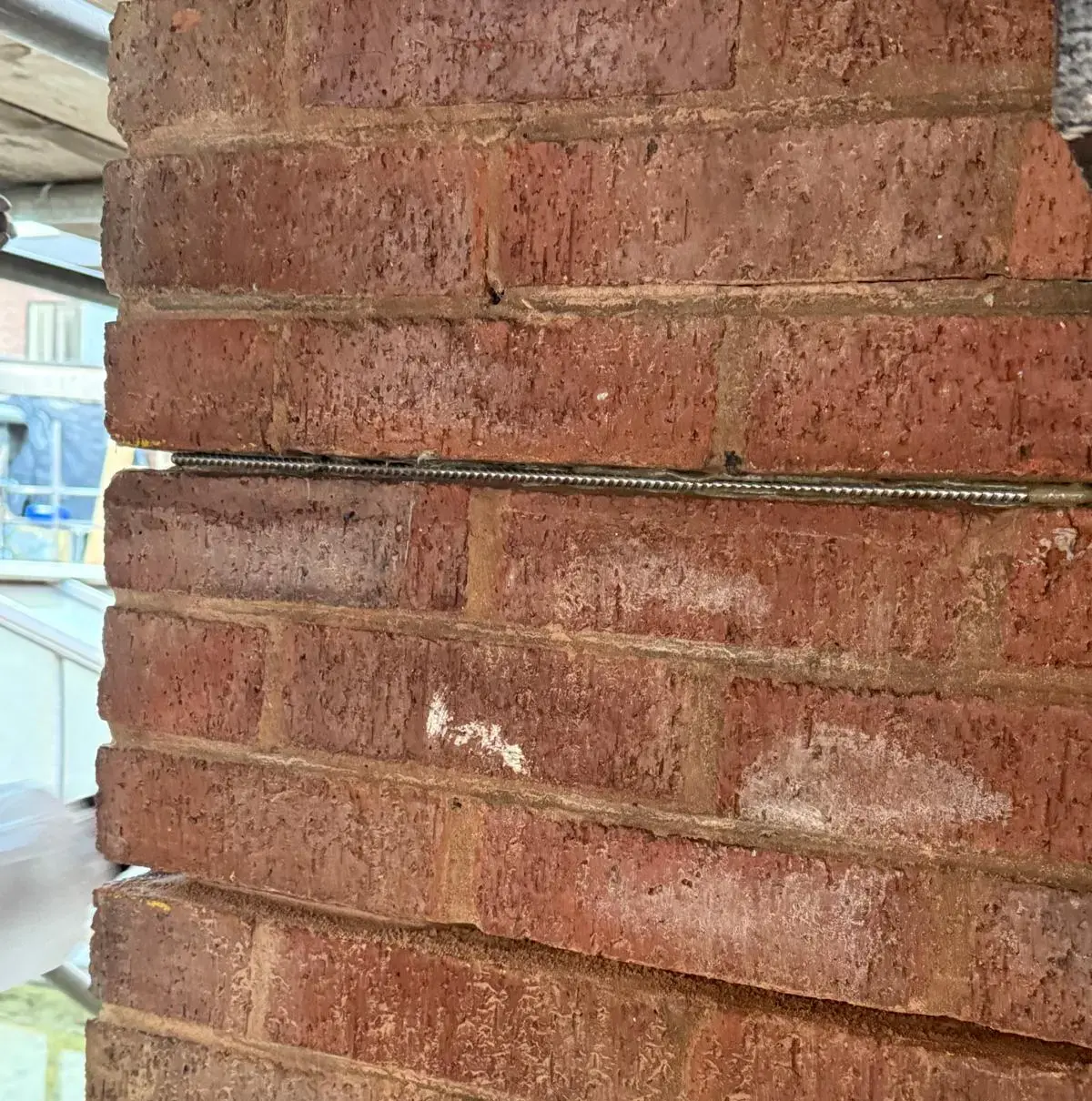
Brickwork repair to a historic façade
CAUSE BEFORE PRODUCT

Masonry repairs that last

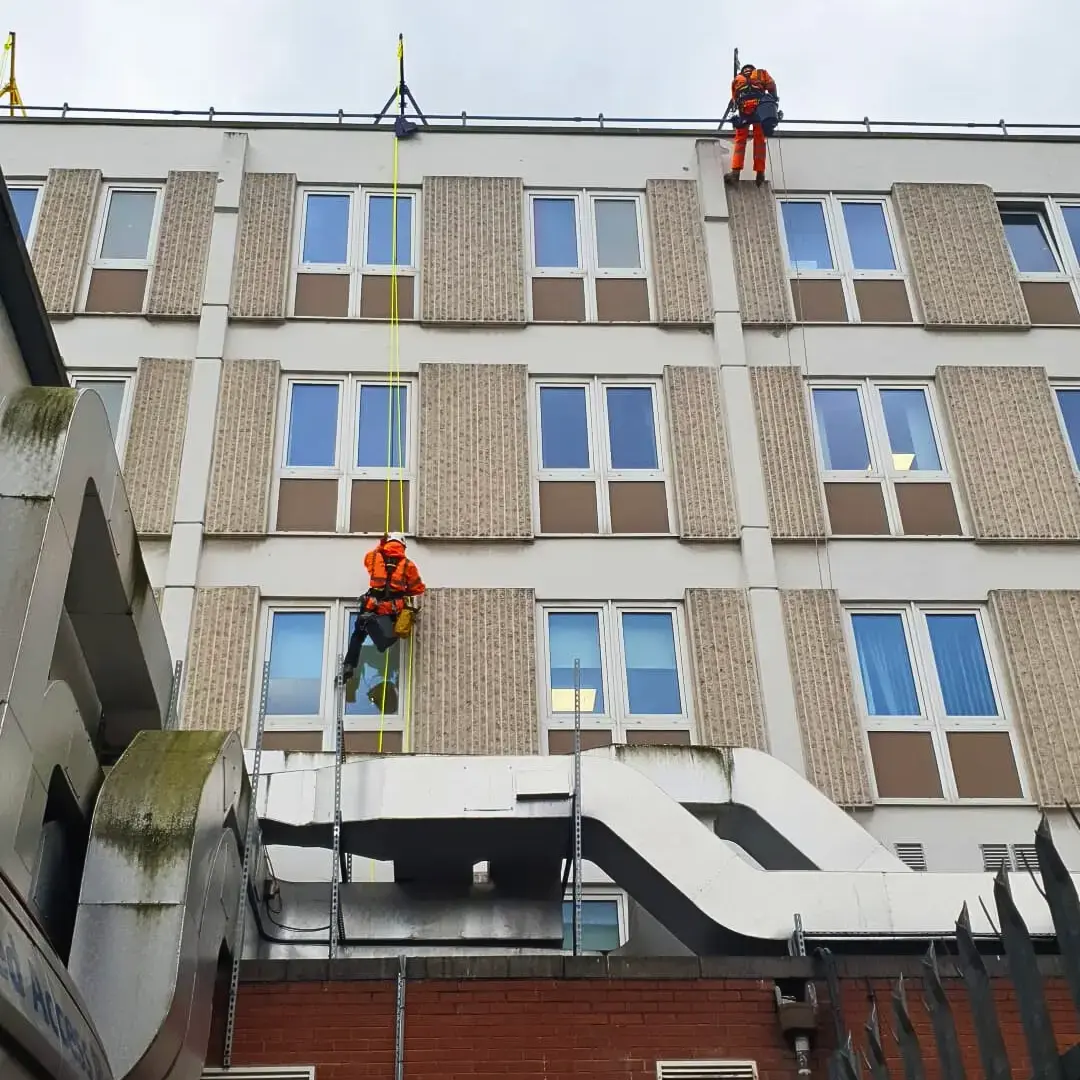
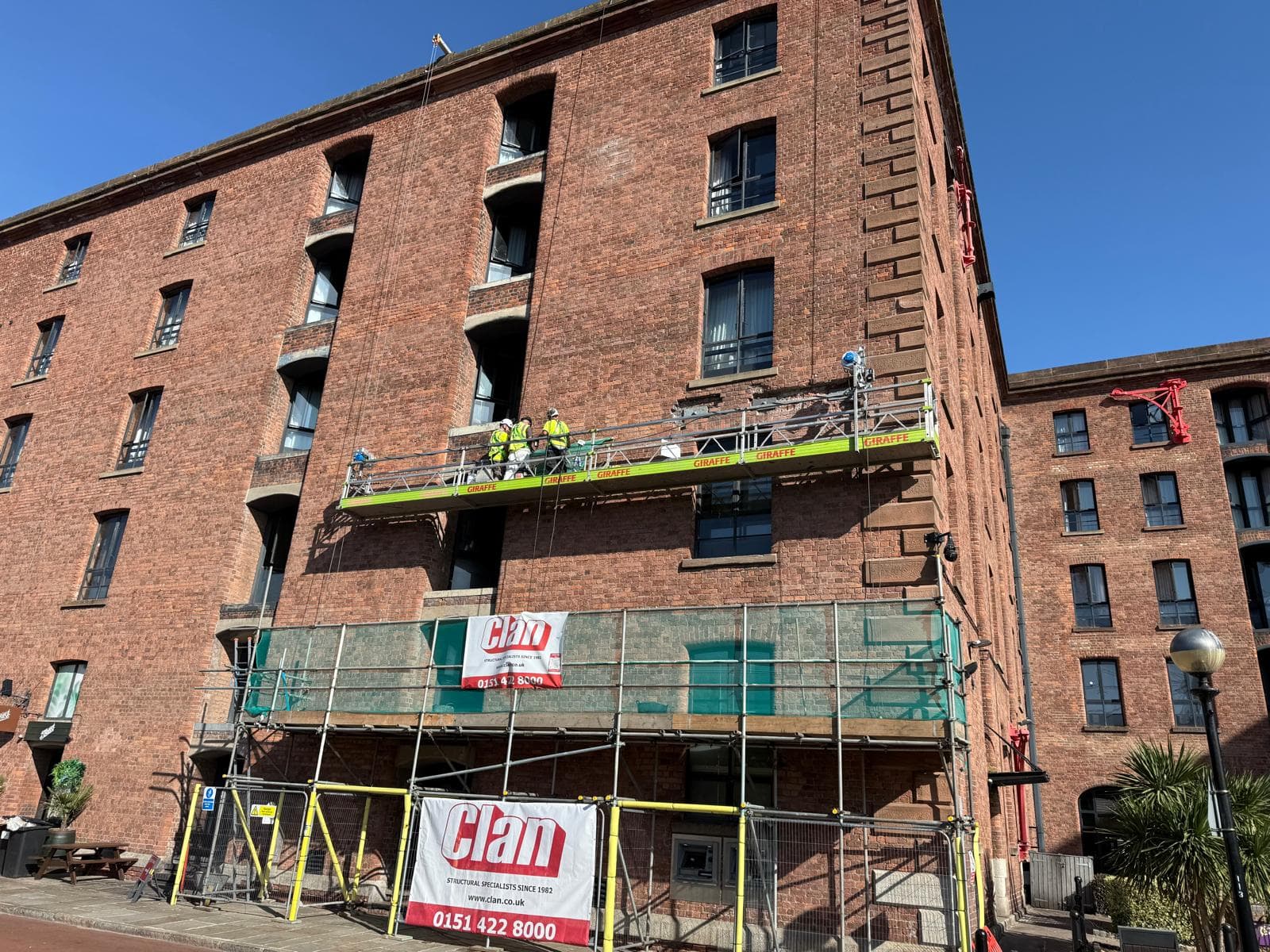
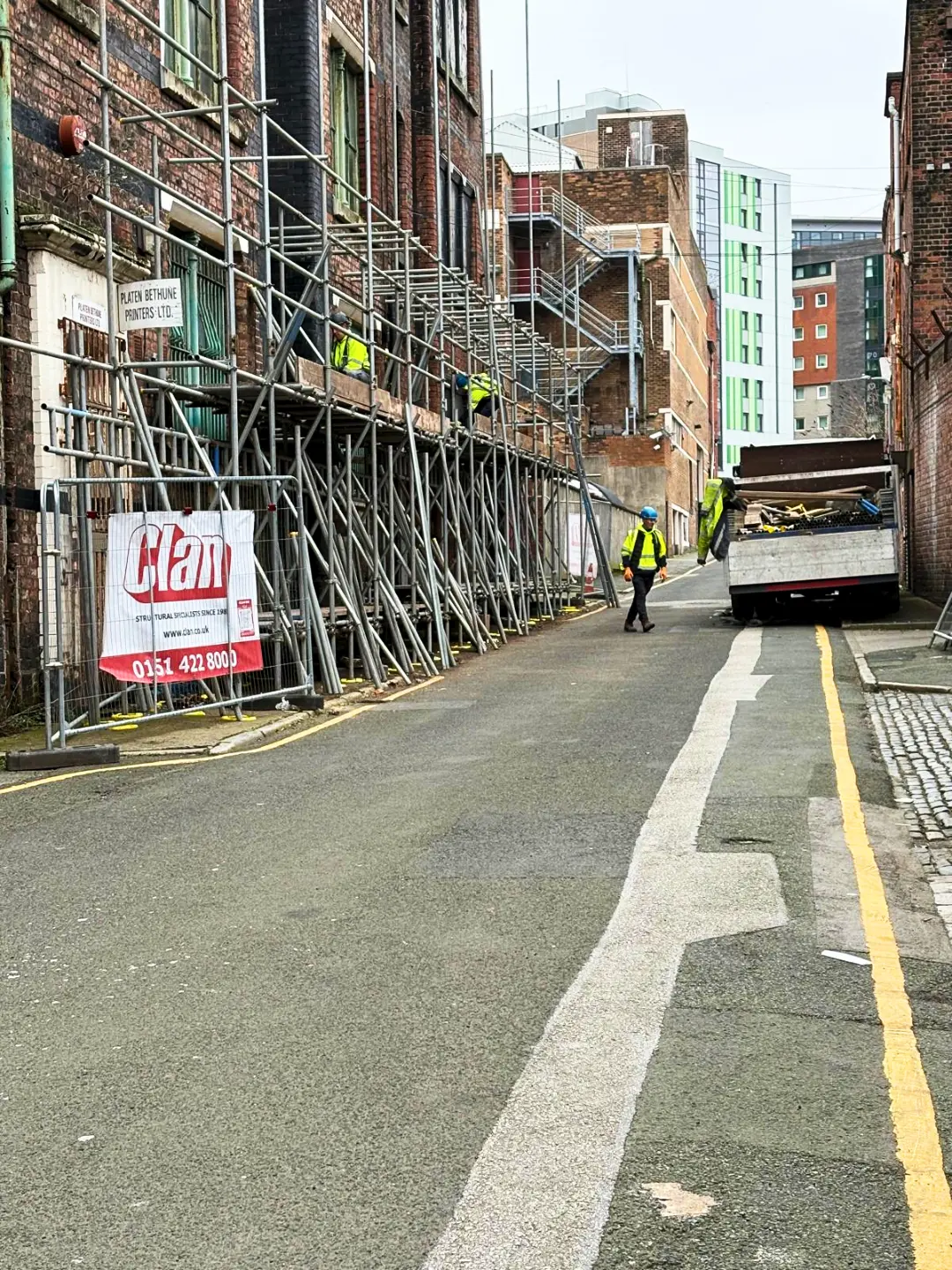
Clan repairs brick and stone masonry across historic buildings, occupied housing, education estates and infrastructure in North West England. Our work includes repointing, brick replacement, remedial cavity wall ties, lintel work, crack stitching, lateral restraints and local stone repair.

Effective masonry repair starts with the construction and cause of deterioration, not a standard product. Age, movement, moisture, exposure, embedded metal, previous repairs and the condition of the brick, stone and mortar all influence the approach.

Historic buildings Occupied housing Education estates Infrastructure
Repointed brick façade
MASONRY REPAIR SERVICES

Seven repairs, each matched to the defect

Repointing

Open, eroded or unsuitable joints can increase water penetration and accelerate deterioration. Clan removes defective mortar to the specified depth, prepares the joints and repoints them using an agreed compatible mix and finish.

Historic work may require lime mortar and close matching of colour, texture and joint profile; modern masonry may require different performance. Correctly specified repointing reinstates weathering joints while retaining sound surrounding brick or stone.

Brick replacement

Individual bricks may require replacement where they are fractured, deeply spalled, unstable or incompatible with the original wall. Clan carefully removes affected units and installs new or reclaimed bricks selected for size, colour, texture and physical compatibility.

Remedial cavity wall ties

Corroded, missing or ineffective wall ties can contribute to cracking, bulging and loss of restraint between wall leaves. Clan undertakes targeted wall-tie surveys and installs specified stainless-steel remedial ties, with pull-out or proof-load testing where required.

Defective existing ties may need isolation or another project-specific treatment.

Lintel replacement and repair

Corroded, inadequate or failed lintels can lead to stepped cracking, displaced brickwork or local deformation above openings. Work may include temporary support, controlled removal, repair or replacement of the lintel and reinstatement of the surrounding masonry to the approved design.

Crack ties and masonry stitching

Masonry cracking should be assessed before reinforcement is selected. Where specified, Clan installs stainless-steel crack ties, helical bars, corner ties, bat straps and related restraint systems within prepared joints or drilled positions, followed by compatible making good.

Lateral restraints

Lateral restraints connect vulnerable walls or façades back to suitable floors, cross-walls or framing. The system layout, anchorage, fixing method and testing depend on the existing construction and the structural engineer's design. Where conditions permit, the intervention can improve restraint with limited visible effect on the façade.

Stone repair

Clan undertakes local stone repairs where a compatible treatment can retain the existing element and reinstate its weathering or architectural profile. Options may include mortar repair, resin repair, pinning, selective replacement or carefully controlled cleaning, depending on the stone type, condition, exposure and conservation requirements.

DIAGNOSIS

What determines the repair approach

01

The wall build-up and structural function of the affected masonry.

02

The cause, pattern and movement of cracking or displacement.

03

The condition and effectiveness of embedded ties, lintels and restraints.

04

Brick or stone type, mortar composition, moisture behaviour and exposure.

05

Heritage significance, consent requirements and the need to retain original fabric.

06

Access, temporary support, occupancy, testing and quality-control requirements.

Visible cracking or bulging does not confirm a single cause. Investigation and, where appropriate, an engineer's appraisal should establish the required intervention before repair.

Our clients
TECHNICAL QUESTIONS

FAQ'S

How are suspected wall-tie defects investigated?

Horizontal cracking, regular patterns of cracking or bulging may indicate wall-tie problems, but other causes can look similar. A targeted survey may combine tie detection, local opening-up, visual assessment and testing to establish tie type, spacing, condition and effectiveness.

Why does mortar compatibility matter?

Mortar needs to work with the masonry and the way the wall accommodates moisture and movement. A mortar that is too strong or insufficiently permeable for softer traditional masonry can concentrate decay in the brick or stone. The appropriate mix depends on project evidence, not age alone.

Can masonry repairs be phased across occupied housing?

Yes, where the access and project arrangements allow it. Clan has delivered repeat wall-tie, brickwork, lintel and façade repairs across occupied properties. Surveys, sample details, resident communication, protection and repeatable quality checks help control a phased programme.

Discuss a Masonry Repairs Project