Stable surface cracks
- Crack condition
- Non-moving cracks requiring protection from water or contaminants.
- Repair function
- Seals the surface using a system suited to the exposure.
- Asset benefit
- Limits further exposure and protects the repaired area.


Investigation-led crack repair, selected around each crack's cause, movement and the performance required from the repaired element.
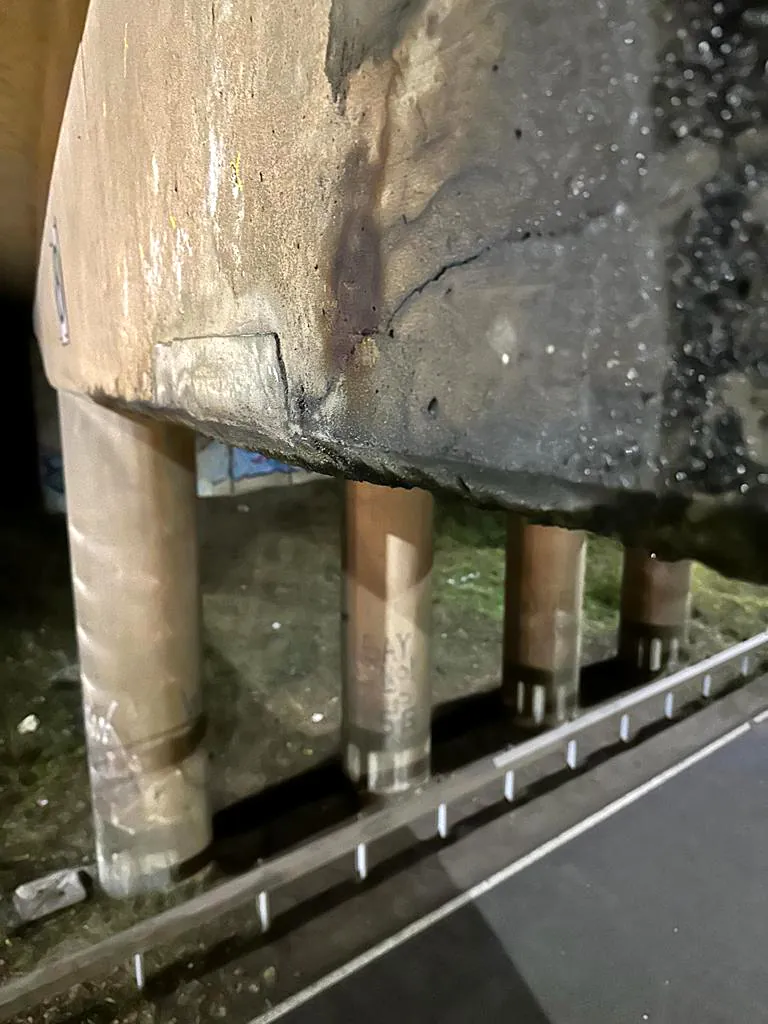
Cracks in concrete can indicate shrinkage, thermal movement, corrosion, settlement, loading, water ingress, impact or loss of support. The visible line alone does not show whether a crack is stable, moving, superficial, water-bearing or structurally significant.
Clan delivers investigation-led crack control for concrete structures across North West England. The repair response is selected around the crack's cause, condition, movement and the performance required from the repaired element.
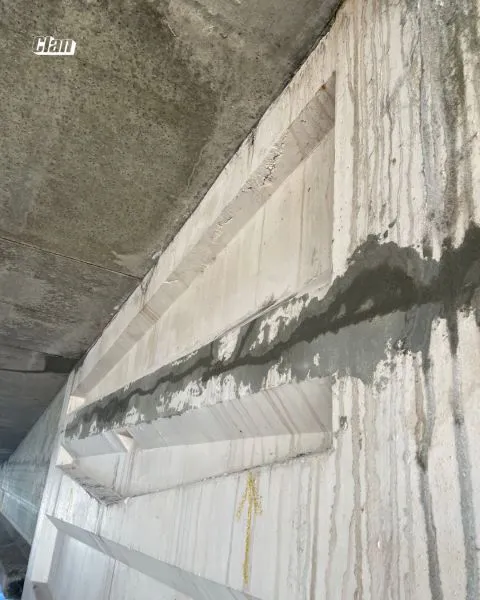
Visual inspection may be supported by crack monitoring, targeted non-destructive testing, local opening-up, chemical testing or structural assessment where required. Rigid structural resin and flexible water-sealing systems serve different purposes and should not be treated as interchangeable.
Record crack position, direction, width, depth and pattern.
Use tell-tales or crack gauges where movement is uncertain.
Establish the cause, moisture, corrosion and structural role.
Choose sealing, rigid or flexible injection, repair or strengthening.
Deliver the specified response and record the completed works.
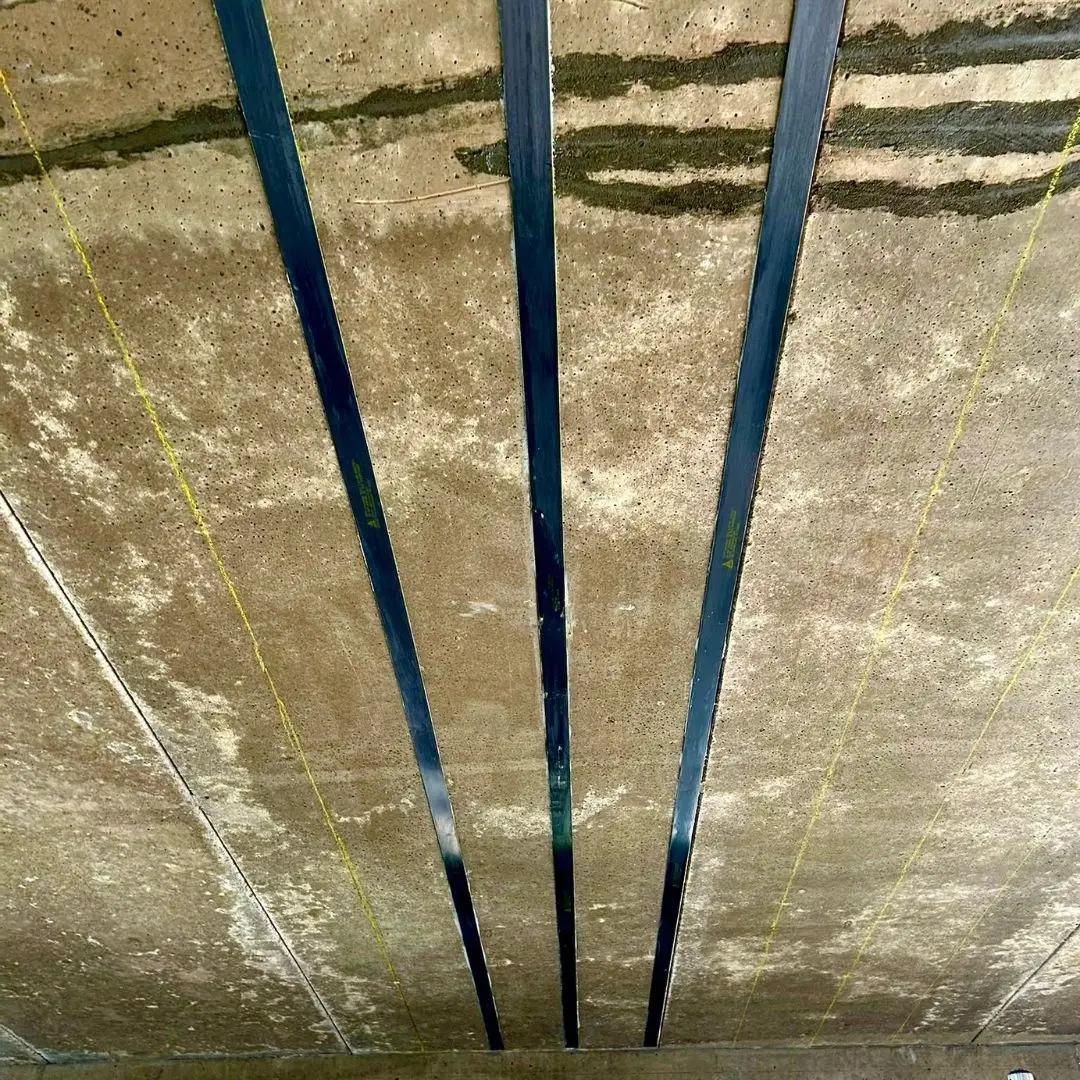
Clan installs externally bonded carbon fibre-reinforced polymer (CFRP) and aramid fibre-reinforced polymer (AFRP), including Kevlar systems, to project-specific structural designs.
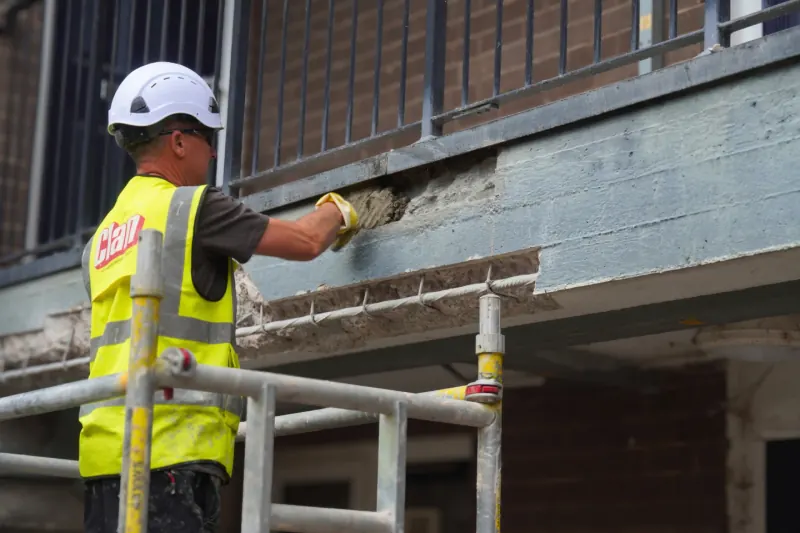
Hand-applied mortar repair reinstates localised areas of damaged concrete using a compatible repair mortar.
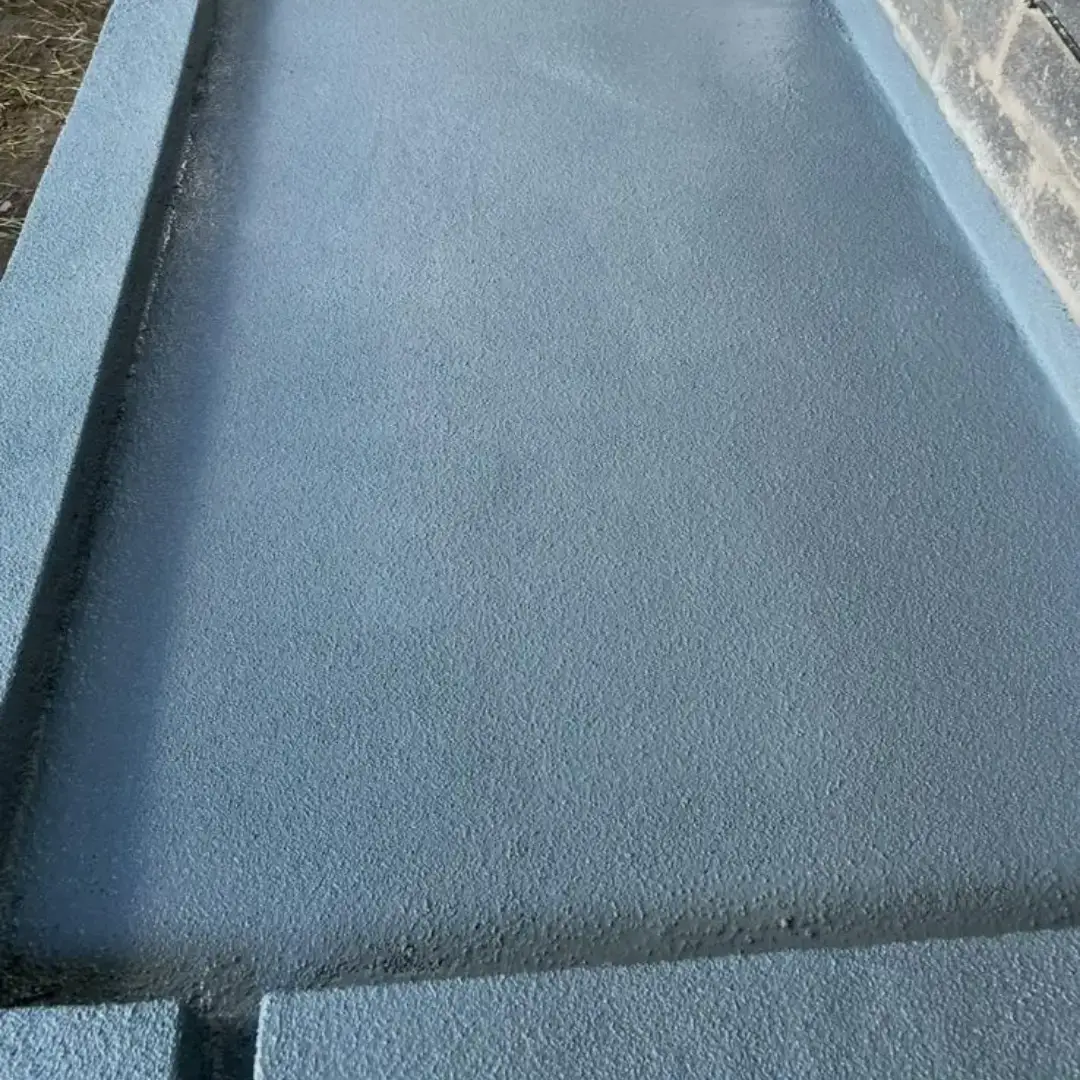
Protective coatings help reduce the ingress of water and carbon dioxide into repaired concrete.
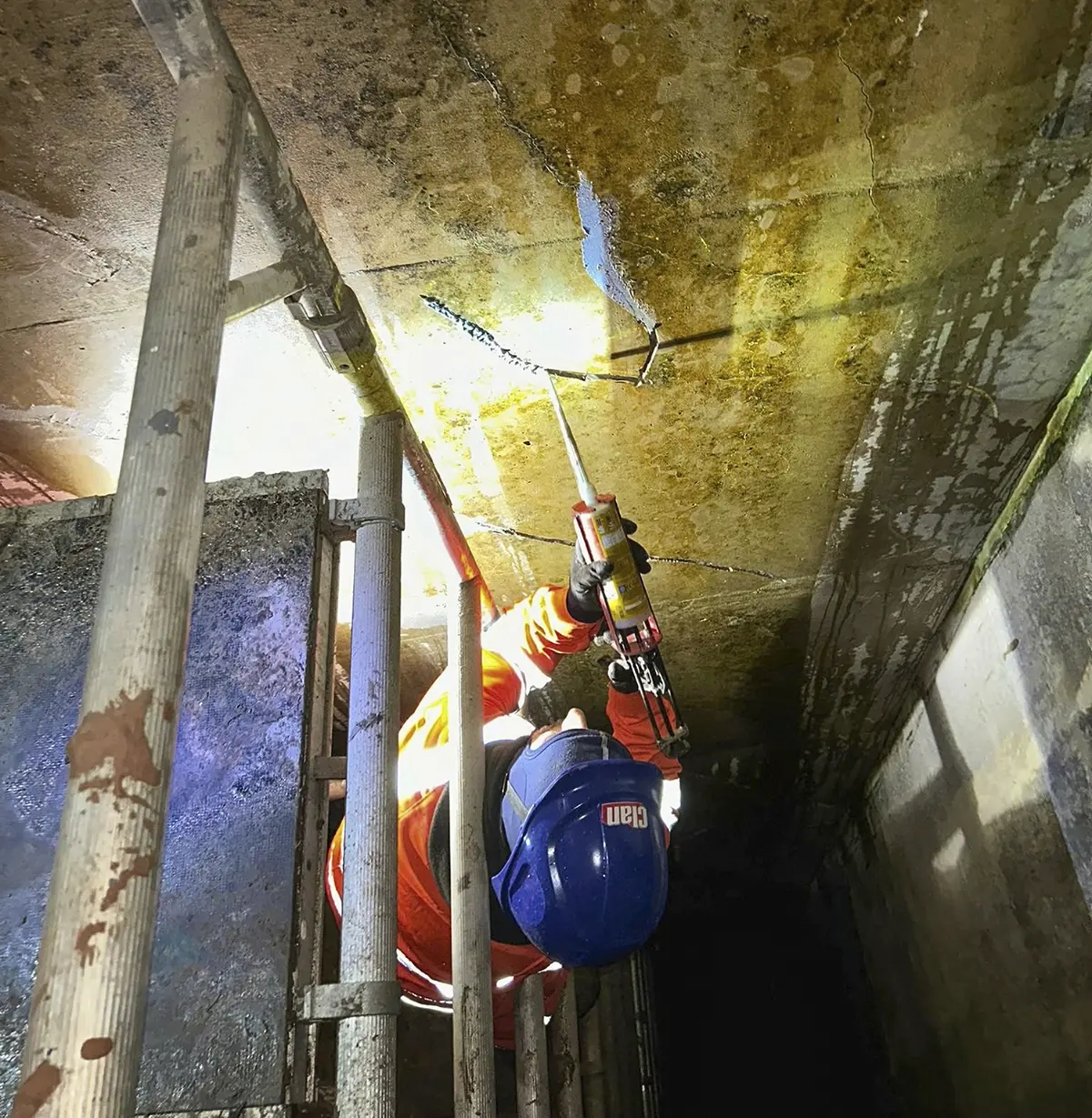
Clan delivers resin injection and structural grouting for crack repair, void filling, structural anchoring and load transfer.




















Its history, pattern and surrounding condition provide initial evidence, but monitoring may be needed. Tell-tales or crack gauges can record change over a suitable period. The monitoring duration should reflect the concern, expected movement and asset conditions.
The required result determines the method. A stable surface crack may need sealing, a dormant structural crack may suit rigid resin injection, a water-bearing crack may require a flexible injection system, and cracking associated with deterioration or reduced capacity may need concrete repair or designed strengthening.
Open cracks can provide routes for water and chlorides, including de-icing salts, to reach the concrete and reinforcement. Repeated wetting and freeze-thaw exposure can increase deterioration where the concrete is vulnerable. Repair selection therefore considers exposure and water paths as well as the visible crack.