
CORROSION CONTROL

Surface-Applied Corrosion Inhibitors

Penetrating treatments that delay corrosion initiation or reduce corrosion activity at reinforcement, within a diagnosed repair strategy.

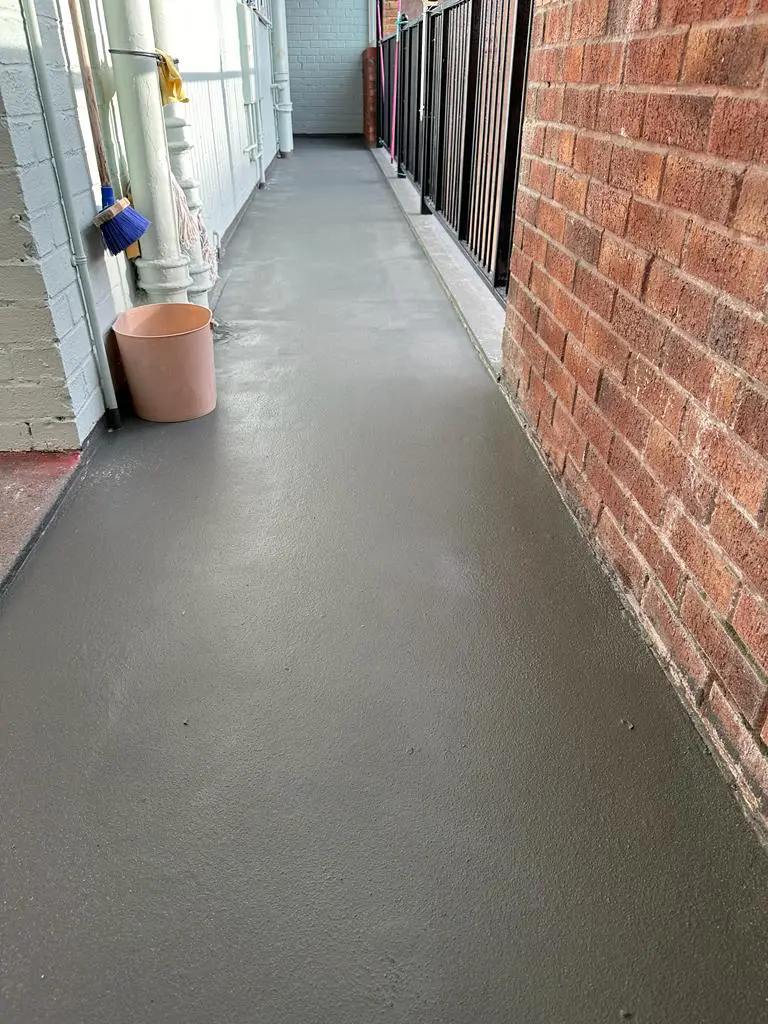
Corrosion inhibitor applied to prepared concrete
SURFACE TREATMENT

Slowing corrosion while keeping sound concrete in place

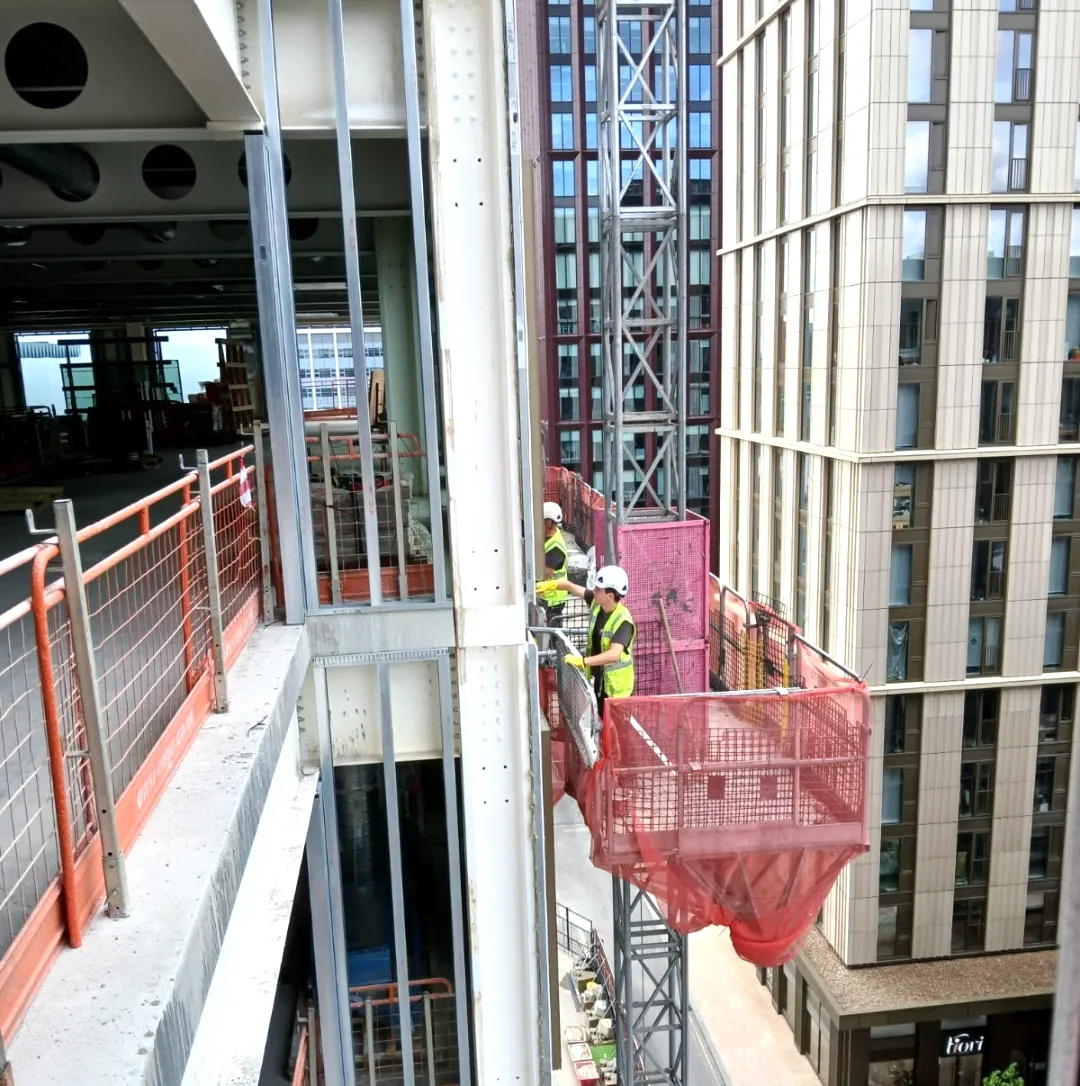
Surface-applied corrosion inhibitors are penetrating treatments intended to delay corrosion initiation or reduce corrosion activity at reinforcement within concrete. Clan applies specified inhibitor systems across North West England as part of a diagnosed concrete repair and protection strategy.

The treatment must be selected for the concrete condition, exposure and required performance. It is not a substitute for repairing unsound concrete, assessing significant steel loss or controlling active water ingress.

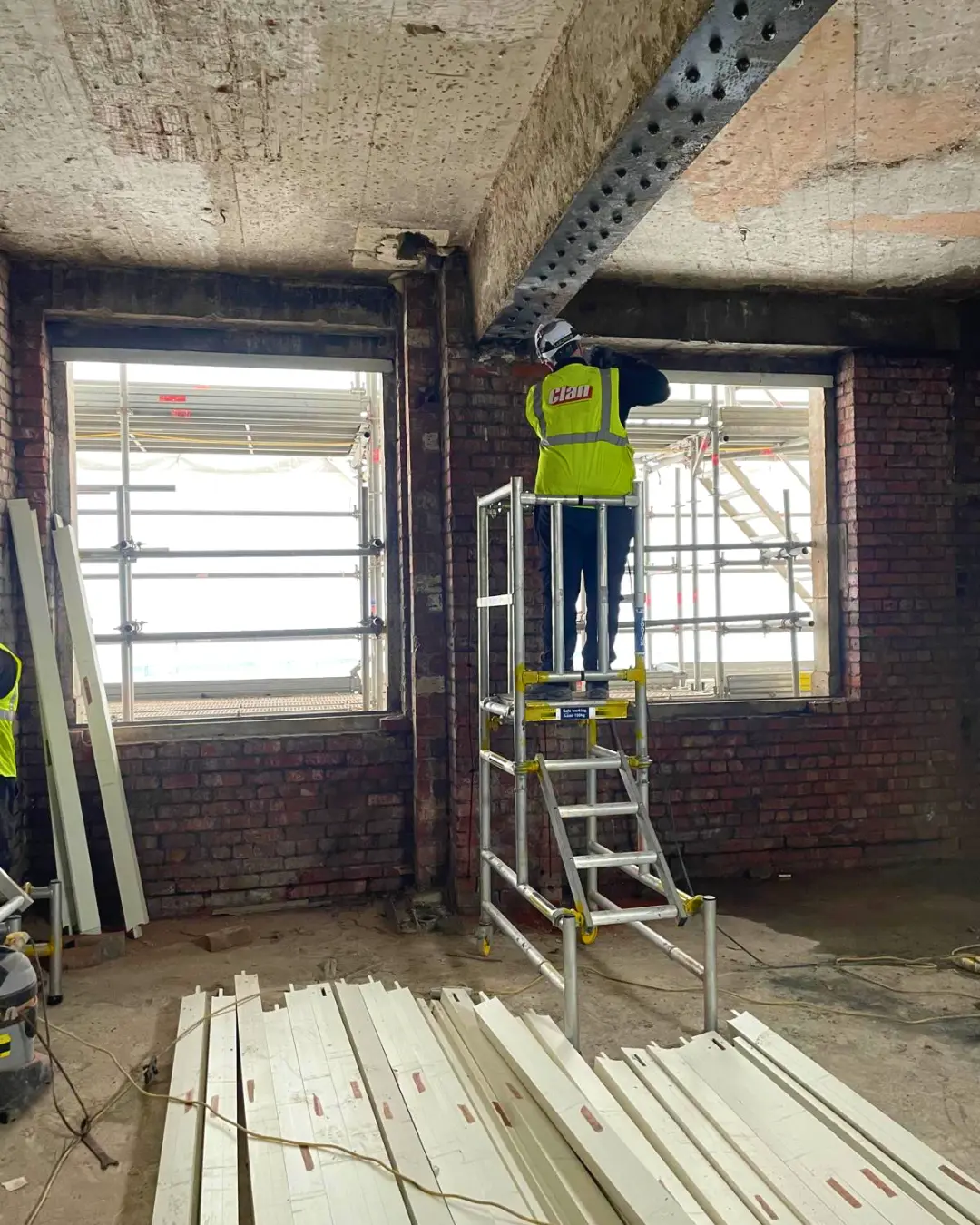
Reinforced concrete element prepared for treatment
WHERE IT HELPS

Where surface-applied corrosion inhibitors may help

Concrete surrounding completed patch repairs

Typical condition
Defective concrete has been repaired locally, but the surrounding element remains exposed to carbonation- or chloride-related corrosion risk.
Treatment function
The inhibitor is applied to prepared concrete within the area defined by the specification and used with compatible repair and protection products.
Asset benefit
The response can extend beyond the immediate breakout while retaining sound concrete.
Sound reinforced concrete at risk of corrosion

Typical condition
Reinforcement is at risk, or corrosion activity has been identified, but the concrete remains sound and sufficiently permeable for the selected treatment.
Treatment function
The liquid penetrates from the surface and acts at the reinforcement. Product-specific testing may be used to assess absorption or penetration.
Asset benefit
A surface treatment may provide a lower-disruption option within a wider corrosion-management strategy.

Fair-faced or sensitive concrete

Typical condition
Concrete where unnecessary breakout or a visibly altered finish should be avoided.
Treatment function
A compatible penetrating inhibitor is incorporated into the specified repair and protection build-up.
Asset benefit
Sound visible fabric can be retained where investigation and specification support treatment rather than removal.
PART OF THE BUILD-UP

One layer in a coordinated repair and protection system

01

Repair unsound concrete

Where concrete is delaminated, loose or spalled, the required repair is completed first.

Hand-Applied Mortar Repair
02

Apply the specified inhibitor

Clan prepares the substrate and applies the inhibitor to the areas defined by the specification.

03

Protect with a compatible finish

Compatible repair and protection products complete the specified build-up.

Protective Coatings
SUITABILITY

What determines inhibitor suitability

  • Whether corrosion is associated with carbonation, chlorides or another condition.
  • Concrete soundness, permeability, moisture, cover and surface condition.
  • Contamination, corrosion activity and any reinforcement section loss.
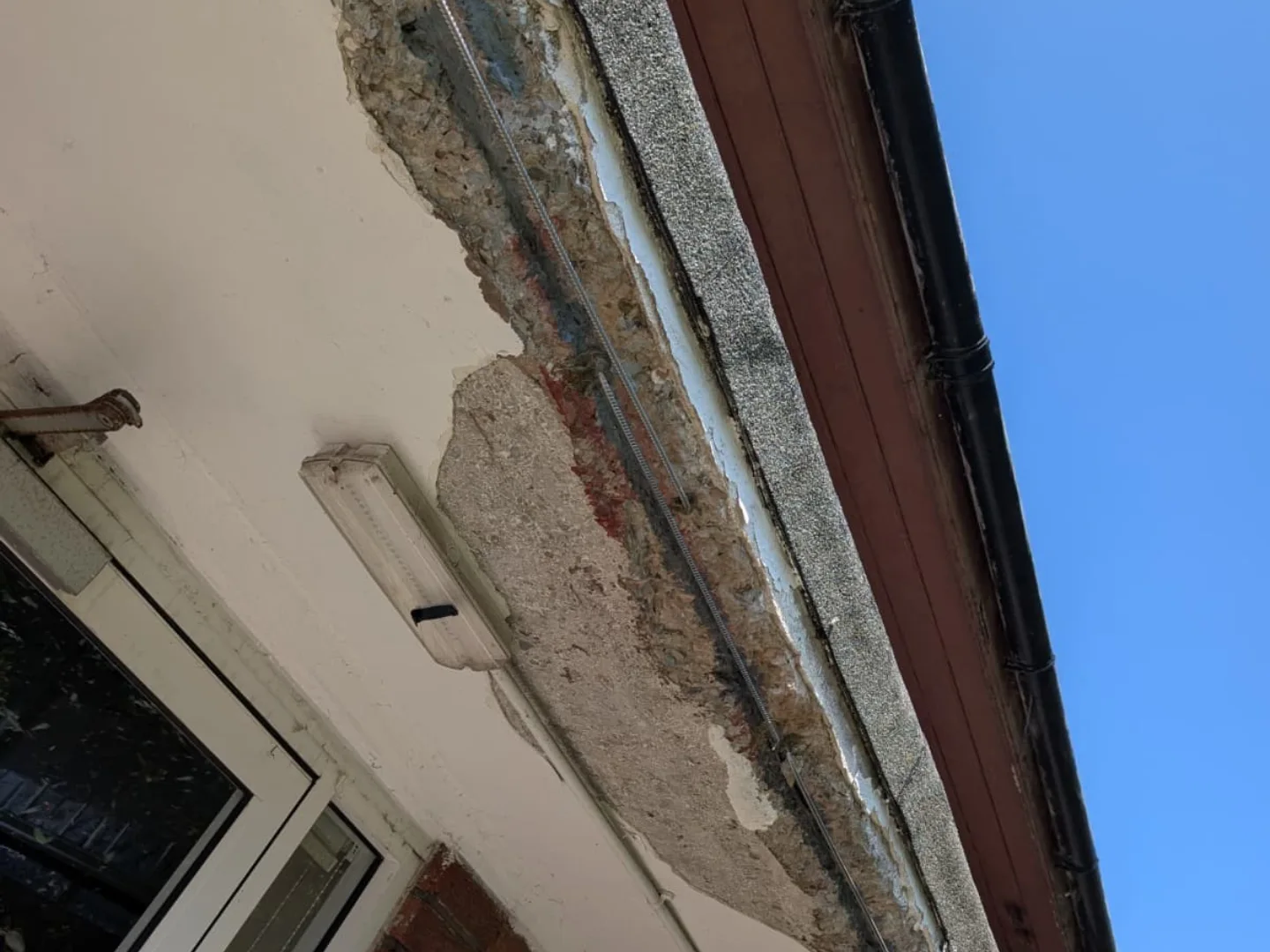
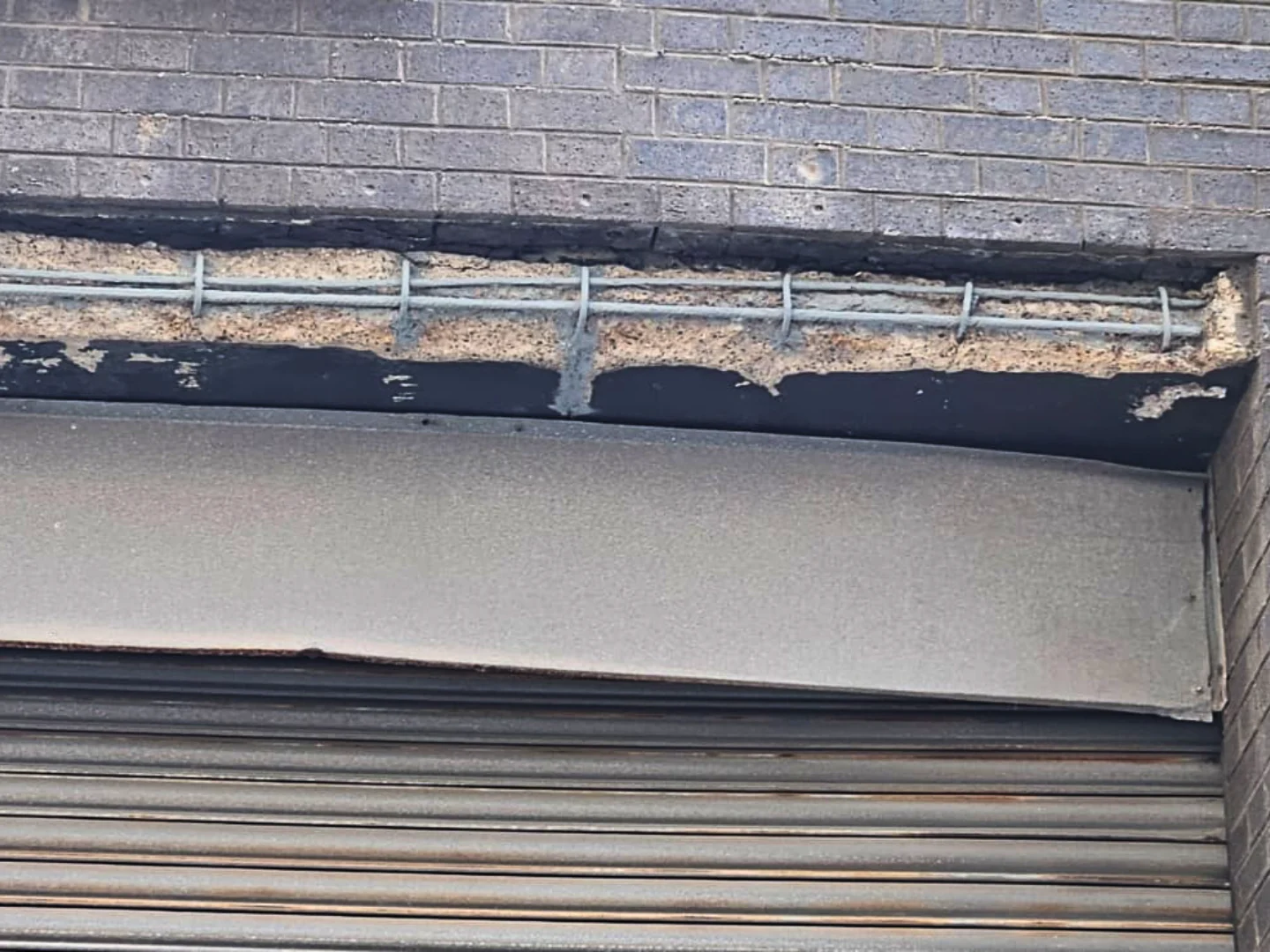
Exposed reinforcement in a concrete lintel above a shutter opening
  • Existing coatings and the preparation required for absorption.
  • Compatibility with repair mortars and subsequent protective finishes.
  • Manufacturer-stated coverage, application conditions and waiting periods.

Where concrete is delaminated, loose or spalled, the required repair is completed before the inhibitor is applied to the specified areas.

PROJECTS RELATED

Projects using Surface-Applied Corrosion Inhibitors

See All Projects
Our clients
TECHNICAL QUESTIONS

FAQ'S

Can a surface-applied inhibitor be used on chloride-contaminated concrete?

Some products are intended for chloride-related corrosion-management strategies, but chloride presence alone does not establish suitability. Concentration and distribution, corrosion activity, concrete condition, steel loss, exposure and the selected product all require consideration.

Can an inhibitor be applied over an existing coating?

The treatment normally needs access to suitably prepared, absorbent concrete. Existing coatings, contaminants and residues may need to be removed in accordance with the selected system and project specification.

What information helps define an inhibitor application?

Useful information includes carbonation and chloride results, cover and moisture data, corrosion measurements, repair drawings, concrete condition, existing finishes, exposure and the proposed protective coating. Trial areas or product-specific penetration checks may also be specified.

Discuss a Surface-Applied Corrosion Inhibitors Project