

STRUCTURAL INVESTIGATION & SURVEYS

Chemical Testing

Site checks and sampling for specified laboratory testing, to establish why concrete or masonry is deteriorating and how far the risk extends.

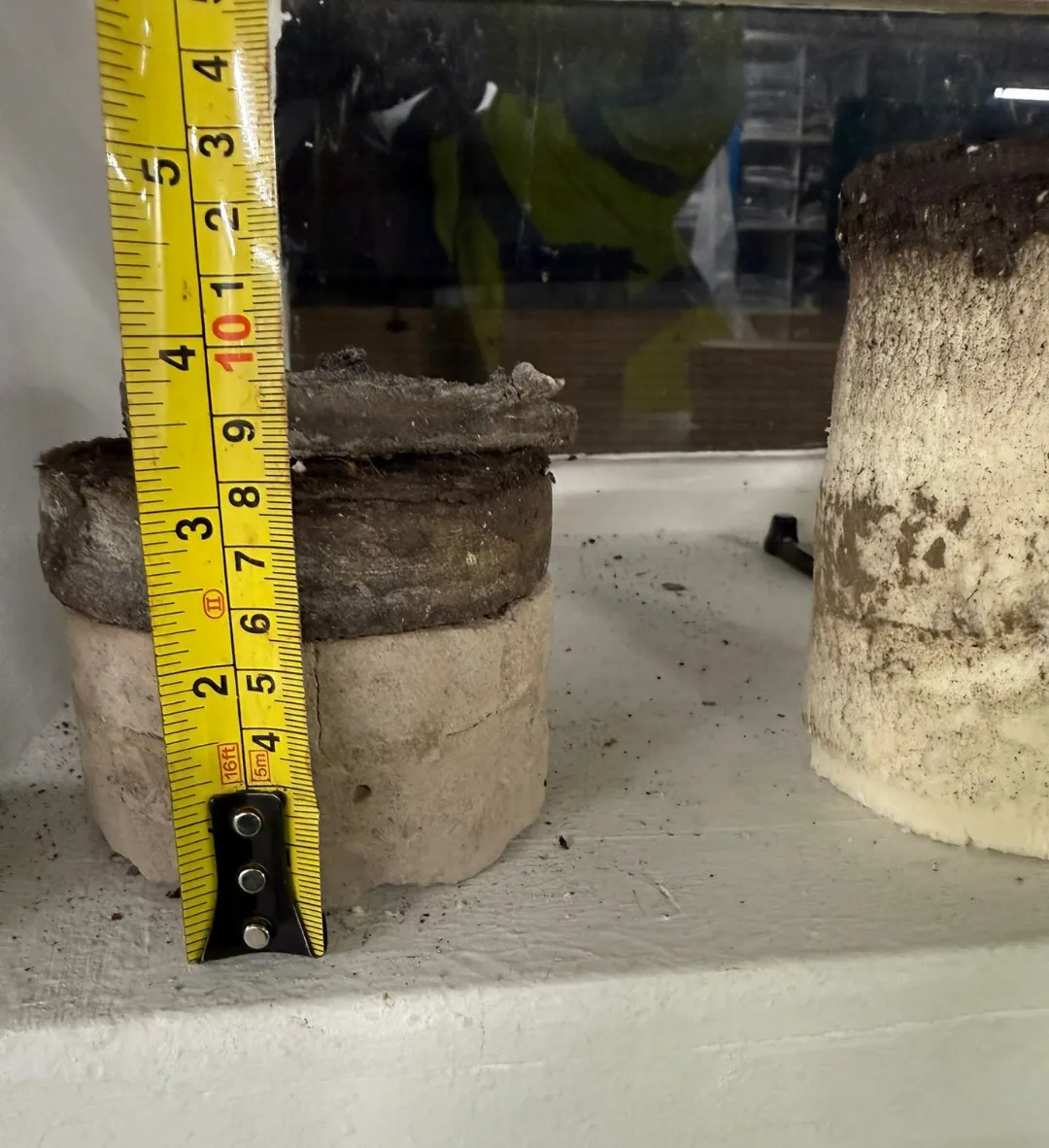
Chemical testing of a concrete sample
EVIDENCE, NOT ASSUMPTION

Find out why, and how far it goes

Chemical and material testing can help establish why concrete or masonry is deteriorating and whether a risk extends beyond the visibly damaged area. Clan undertakes site checks and collects samples for specified laboratory testing across North West England and Wales.

Results describe the sampled locations, not the whole structure by default. The sampling plan, test method, laboratory scope and interpretation should reflect the investigation question and the appointed engineer's or consultant's requirements.

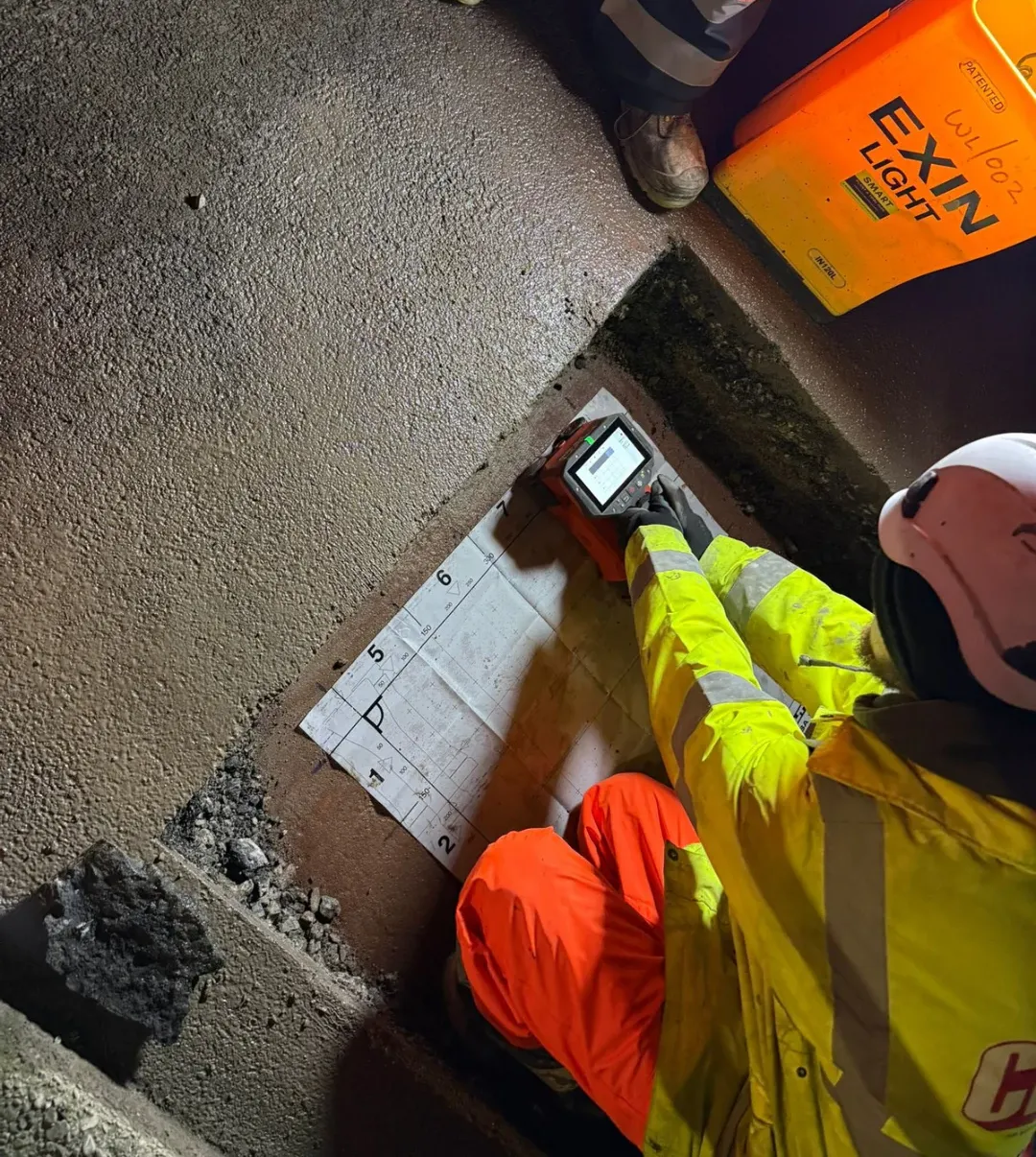
Concrete sampling for laboratory testing
TESTS & EVIDENCE

Chemical testing applications & evidence provided

Carbonation-depth testing

On-site test
What it investigates
The depth to which carbonation has reduced the alkalinity of concrete at a freshly exposed test location.
How the evidence is used
Comparing carbonation depth with reinforcement cover indicates whether reduced alkalinity may have affected reinforcement passivation (the protective state that limits corrosion).
Interpreting results
Corrosion also requires sufficient moisture and oxygen; carbonation depth alone does not show whether steel is actively corroding.
Chloride-content testing

Sample + laboratory
What it investigates
The chloride content of concrete or masonry samples, often at selected depths and locations.
How the evidence is used
Similar elevated chloride levels across sampled depths may indicate cast-in chlorides. Levels that decrease as sampling depth increases may indicate external chloride ingress.
Interpreting results
For reinforced concrete, chloride levels at reinforcement depth are particularly relevant to corrosion risk.

Cement-content and material analysis

Sample + laboratory
What it investigates
Selected characteristics of hardened concrete or mortar where composition, quality, compatibility or the cause of deterioration is in question.
How the evidence is used
Laboratory results can support comparison with records, investigation of existing materials or selection of compatible repair materials.

High-alumina cement identification

Sample + laboratory
What it investigates
Whether high-alumina cement (HAC) is present in concrete from buildings where its historic use is suspected.
How the evidence is used
Identification provides evidence for the appointed structural engineer's assessment and decisions about further investigation, loading or remedial action.

Masonry salts and mortar investigation

Sample + laboratory
What it investigates
Soluble salts or mortar composition where damp, decay, staining or repair compatibility is under review.
How the evidence is used
Results may help the consultant distinguish material and moisture issues and specify compatible masonry repairs.
Interpreting results
Salt analysis identifies the salts present; investigating the moisture source helps explain how they reached the affected area.
READING A CHLORIDE PROFILE

What the pattern across depths can suggest

Similar levels across depths

Reinforcement depth Depth from surface → Chloride content

Similar elevated chloride levels across sampled depths may indicate chlorides incorporated in the original concrete mix.

Levels that decrease with depth

Reinforcement depth Depth from surface → Chloride content

Levels that decrease with increasing depth may indicate chlorides entering from outside—for example, from seawater, sea spray or de-icing salts.

These patterns suggest the source but do not prove it. For reinforced concrete, chloride levels at reinforcement depth are particularly relevant to corrosion risk. Profiles shown are illustrative, not test data.

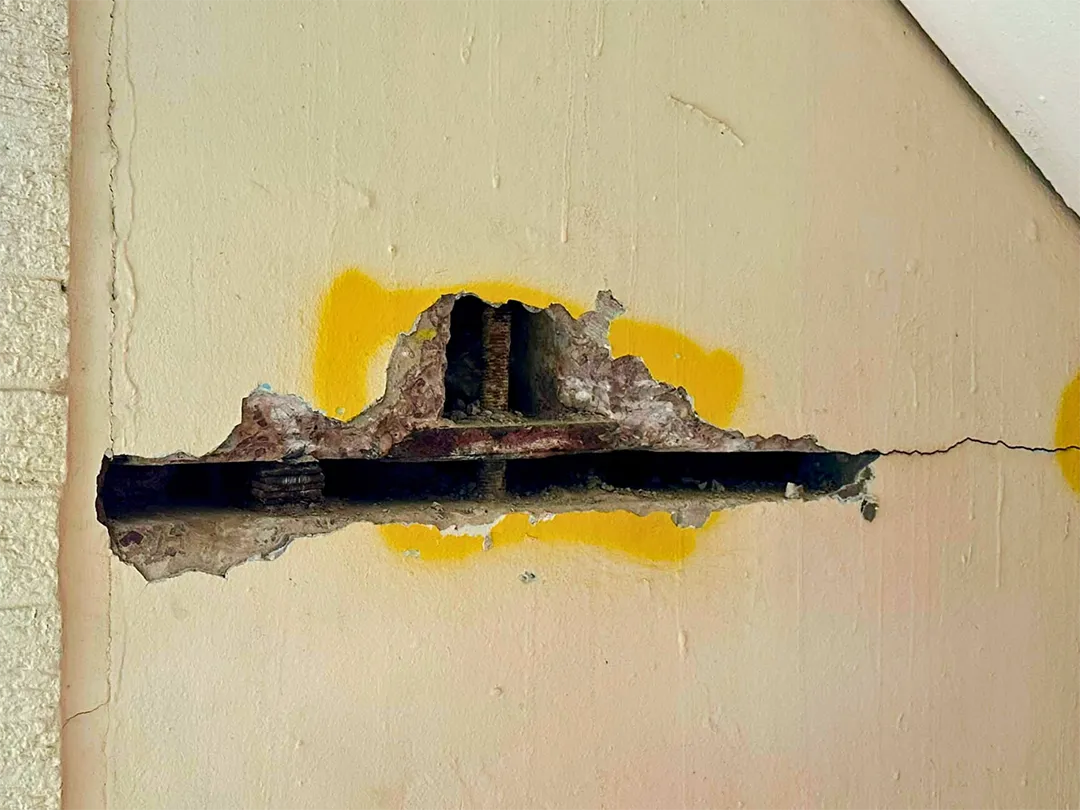
Sampling location marked on a concrete element
SAMPLING PLAN

What determines the testing scope

  • The defect, decision or hypothesis the testing needs to address.
  • Construction type, age, exposure and available records.
  • Required sample locations, depths, number and distribution.
  • Reinforcement position and cover where corrosion risk is being investigated.
  • The applicable test method and laboratory capability or accreditation.
  • Access, occupancy, reinstatement and chain-of-custody requirements.
  • Who will interpret the results and undertake any structural appraisal.

Testing only the most visibly damaged location can give an incomplete picture. Reference or apparently sound areas may also be needed for comparison.

Our clients
TECHNICAL QUESTIONS

FAQ'S

Which tests are completed on site, and which need a laboratory?

Clan can carry out carbonation-depth testing on site and collect samples for laboratory analysis. Chloride-content analysis and high-alumina cement identification require a suitable laboratory. The project brief defines the tests and sampling requirements; where accreditation is required, the laboratory's accredited scope should cover the specified tests.

What can chloride testing reveal?

Chloride testing measures the chloride content of each sample. Similar elevated levels across sampled depths may indicate chlorides incorporated in the original concrete mix. Levels that decrease with increasing depth may indicate chlorides entering from outside—for example, from seawater, sea spray or de-icing salts. The results help assess how far contamination extends and whether elevated chloride levels are present at reinforcement depth. These patterns suggest the source but do not prove it.

Does carbonation mean the concrete has failed?

No. Carbonation lowers concrete alkalinity. If it reaches the reinforcement, it can affect the steel's protective passive layer, making corrosion possible where sufficient moisture and oxygen are available. The test measures carbonation depth; it does not establish whether the steel is corroding or whether structural strength has been affected.

Discuss a Chemical Testing Project